

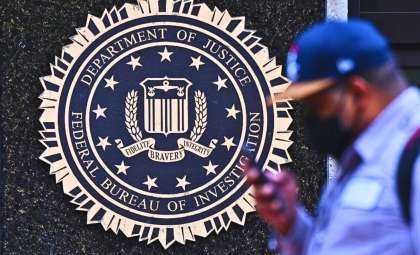
The FBI has released an urgent advisory cautioning users of the Chrome, Safari, and Edge browsers about emerging cyber threats linked to seemingly innocent online file conversion platforms. These websites are becoming tools for hackers aiming to pilfer confidential information such as login credentials, financial records, and cryptocurrency wallets.
File conversion platforms exploited as cyber traps
A report from Forbes reveals that cybercriminals are leveraging online document conversion services to infiltrate users' devices. While these websites are popular for changing file formats, they are sometimes loaded with malicious software that can infect computers.
This malware has the potential to trigger ransomware incidents or various kinds of identity theft. The FBI has noted a rise in such attacks centered around file conversion websites.

The agency emphasizes that these platforms remain unsuspected by many users. Examples include domains like Imageconvertors.com, convertitoremp3.it, and convertisseurs-pdf.com, which are now linked to malware distribution and phishing scams.
Common tactics involve convincing users to download browser extensions or software disguised as necessary tools. Converted files might carry hidden malware enabling attackers to deploy spyware or lock the victim’s data until a ransom is paid.
The hidden dangers of online file conversions
The FBI’s alert is supported by cybersecurity firms like Kaspersky, which warn about the intrinsic risks of these services.
Kaspersky explains that converting files online involves more than just format alteration; the file must be examined and processed, providing opportunities for hackers to inject malicious code.
This threat extends beyond desktops to mobile applications, many of which lack the stringent security controls of trusted ecosystems like Google Play or Apple’s App Store.
Stealthy malware: the silent digital predators
Many victims remain unaware their devices have been compromised until the damage becomes evident. Malware effects, including ransomware or stolen identities, usually only surface after significant time has passed.
The FBI urges users to exercise caution, take time with online activities, and carefully consider risks before clicking on unfamiliar links or using online tools.
Minimizing exposure involves keeping antivirus programs current, activating browser safety features, never installing extensions from unknown sources, and refraining from uploading sensitive files to third-party conversion websites.
Dangerous platforms to avoid
The FBI and cybersecurity experts have identified several platforms posing significant threats. Avoid these sites:
- Imageconvertors[.]com (phishing)
- convertitoremp3[.]it (Riskware)
- convertisseurs-pdf[.]com (Riskware)
- convertscloud[.]com (Phishing)
- convertix-api[.]xyz (Trojan)
- convertallfiles[.]com (Adware)
- freejpgtopdfconverter[.]com (Riskware)
- primeconvertapp[.]com (Riskware)
- 9convert[.]com (Riskware)
- Convertpro[.]org (Riskware)
Users are encouraged to report suspicious activity to IC3.gov and promptly secure any compromised accounts by changing passwords.
Additional risks from deceptive apps impersonating popular brands
This warning fits a broader pattern of cyber threats targeting individuals. Bleeping Computer notes that phishing attempts involving fraudulent apps posing as well-known companies such as Adobe or DocuSign are increasingly frequent.
In today’s digital environment, vigilance is critical, as criminals often counterfeit legitimate services to deceive victims. The FBI recommends scrutinizing all email links carefully and avoiding suspicious downloads or applications.
- Categories:
- News












0 comments
Sign in to Comment