
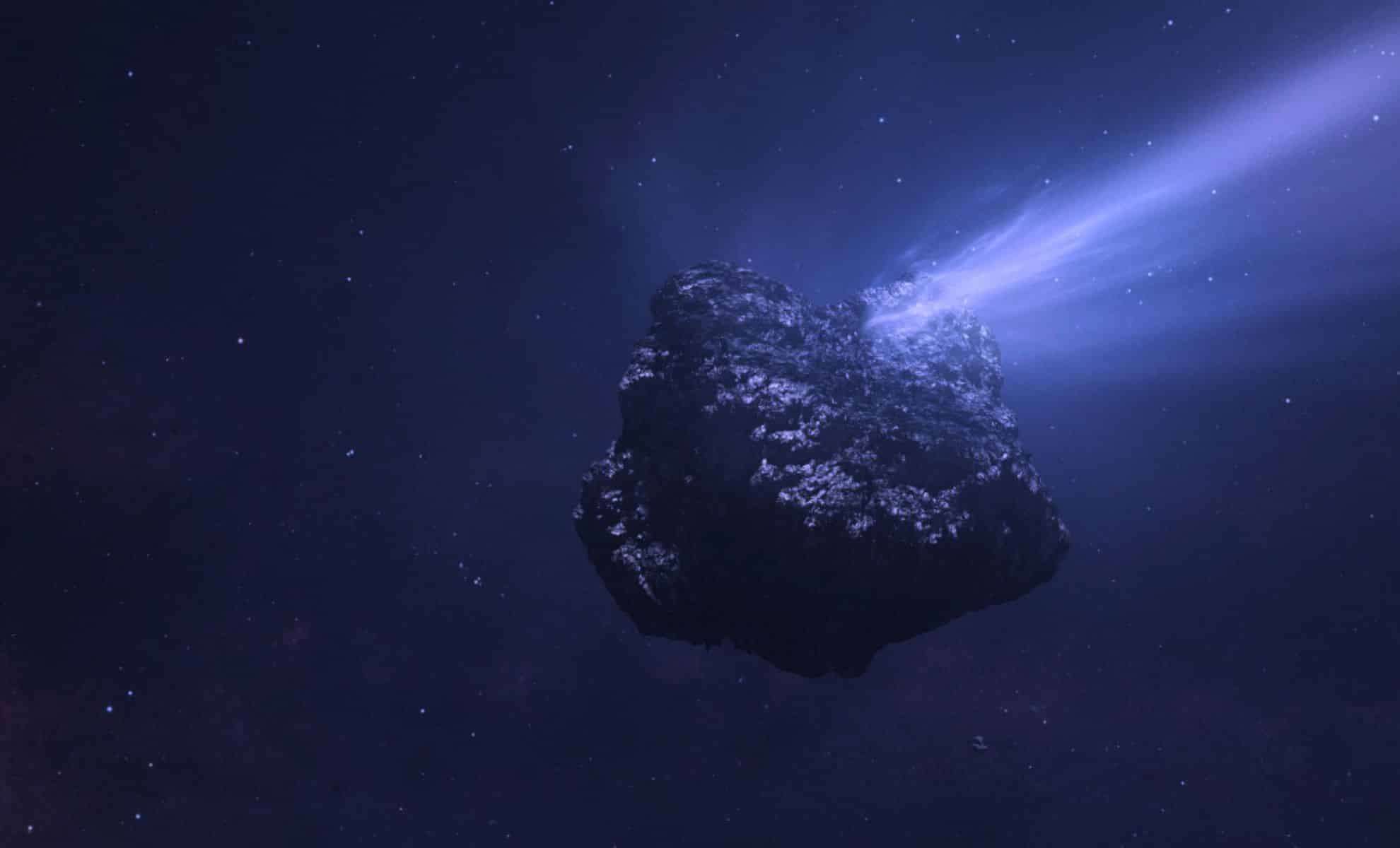
Scientists have recently unveiled new insights regarding an extraordinary celestial traveler moving through our solar neighborhood. This exceptionally large comet, named Bernardinelli-Bernstein (C/2014 UN271), is displaying unexpected traits that could reshape our current understanding of cometary phenomena. Although situated in the distant reaches of the solar system, recent evidence indicates that this comet is far more active than previously believed.
Revealing Molecular Jets Emitted by a Colossal Comet
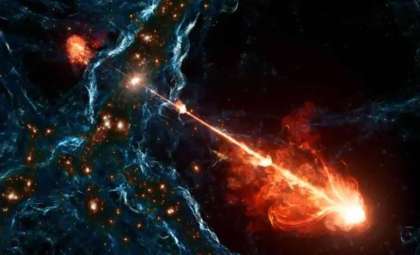
Groundbreaking observations carried out with the ALMA radio observatory in Chile’s Atacama Desert have provided key data about Bernardinelli-Bernstein’s behavior. This immense comet, boasting a nucleus about 140 kilometers across, has been spotted releasing a molecular jet made up of carbon monoxide (CO) gas. Such molecular jets from a comet at such a distant point from the Sun represent a first-time discovery.
Located roughly 16.6 astronomical units (AU) from the Sun—over 1.5 billion miles from Earth and beyond Neptune’s orbit—this comet is exhibiting active gas release despite the frigid temperatures expected at such distances. This challenges earlier notions about how comets behave in these cold, outer regions, providing invaluable clues about molecular emissions in remote solar system environments.

Examining the Magnitude and Characteristics of Bernardinelli-Bernstein
Far from an ordinary comet, Bernardinelli-Bernstein ranks among the largest ever identified. Its immense size initially misled astronomers into categorizing it as an asteroid. Measuring roughly ten times the size of typical comets, its nucleus spans approximately 140 kilometers in diameter, far exceeding other well-known comets, such as Halley’s Comet which has an 11-kilometer-wide nucleus.

Originating from the Oort Cloud, a distant spherical shell encasing our solar system, this comet follows an extensive elliptical path taking nearly 600,000 years to orbit the Sun once. Its closest approach is projected for 2031, although it will remain well distant from Earth. The great span of its orbit combined with its giant size makes Bernardinelli-Bernstein a remarkable subject for in-depth cometary research.
Dynamic Gas Emissions and Uncommon Activity Patterns
As Bernardinelli-Bernstein edges nearer to the Sun, researchers have observed bursts of gas erupting from the comet’s core. A recent investigation led by Nathan Ross from American University and NASA’s Goddard Space Flight Center (GSFC) identified sporadic releases of carbon monoxide gas, indicating increasing internal activity as it travels inward. These explosive gas outflows prompt new questions regarding how the comet will transform in the years to come.
Scientists anticipate that, as the comet continues its sunward journey, additional volatile compounds such as methane and formaldehyde may also be liberated. These icy gases, commonly formed in the coldest parts of the solar system, could intensify their emissions, offering fresh perspectives on the chemical makeup and evolutionary pathways of such distant objects.
Enhancing Cometary Science Through Bernardinelli-Bernstein’s Study
Insights gained from studying Bernardinelli-Bernstein shed new light on the activity and nature of comets in the remote outskirts of our solar system. Due to their great distances, objects originating in the Oort Cloud remain largely understudied.
Yet, the data collected from this giant comet imply that the Oort Cloud might house numerous other objects with similar energetic behaviors, challenging longstanding ideas about comet gas emission and activity in distant, cold regions.
- Categories:
- Space








0 comments
Sign in to Comment