
Over thirty years of satellite data reveal the complete disappearance of Okjökull, the first glacier to be formally declared dead as a direct outcome of human-driven climate change. These space-based observations provide a stark glimpse into the future for countless glaciers globally.
Gone Without a Trace: The Story of a Glacier
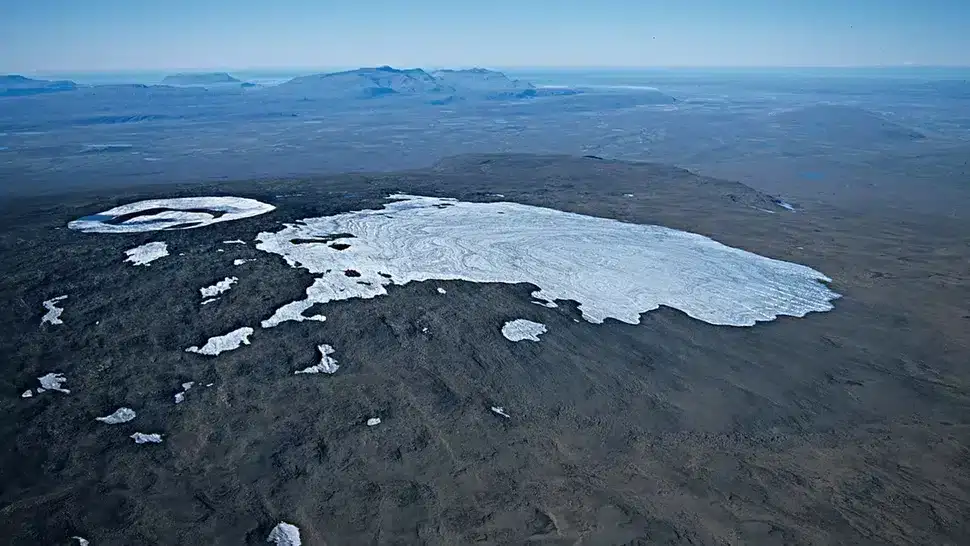
Set atop Iceland’s Ok volcano, Okjökull once spanned 15 square miles (39 square kilometers) in the early 1900s. By 1986, it had diminished dramatically to just 2.6 square kilometers. NASA’s Landsat 8 satellite images from 2019 showed a further reduction to under 1 square kilometer, signaling the glacier’s loss as a recognizable ice formation.
The decisive moment came in 2014 when glaciologists declared Okjökull dead after confirming the ice was no longer thick or mobile enough to be considered an active glacier. For the first time in millennia, its flow halted, underscoring the profound effects of climate change.

A Tribute to a Vanished Ice Mass
The disappearance of Okjökull marked more than a scientific milestone; it also became a symbol of collective loss. In August 2019, approximately 100 attendees, including experts and government officials, gathered at the site for a glacier memorial. Near the summit of Ok volcano, a plaque entitled A Letter to the Future was installed.
“Ok is the first Icelandic glacier to lose its status as a glacier. In the next 200 years all our glaciers are expected to follow the same path. This monument is to acknowledge that we know what is happening and what needs to be done. Only you know if we did it.”
The marker also documented the atmospheric carbon dioxide levels at the time, measured at 415 parts per million (ppm). Since then, this figure has climbed past 428 ppm, as reported by the National Oceanic and Atmospheric Administration (NOAA).
Remote Observations Show a Changing World
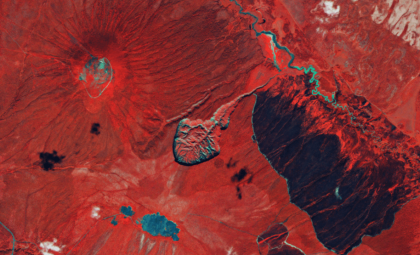
NASA’s Earth Observatory unveiled a compelling set of comparative images illustrating Okjökull’s retreat. The 1986 photo from Landsat 5 reveals a thick, vibrant glacier at the volcano’s peak, whereas the 2019 Landsat 8 image exposes a landscape nearly stripped of ice, with only remnants remaining.
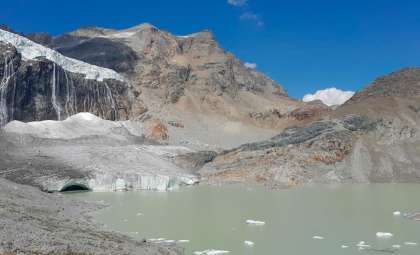
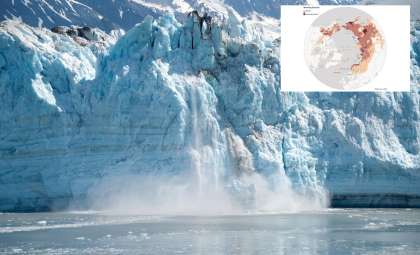
This rapid glacial loss serves as a vivid indicator of intensifying global warming impacts on frozen regions. Experts caution that Iceland’s 400-plus glaciers face similar fates unless global temperatures are curtailed.
An Expanding Toll of Lost Glaciers
Okjökull's fate is part of a growing list. In 2023, Iceland inaugurated the world’s first iceberg cemetery, commemorating 15 major entries on the Global Glacier Casualty List—a registry of glaciers deemed dead or critically endangered.
Glaciers worldwide continue to vanish. In the United States, the Anderson Glacier in Washington State was the first confirmed dead glacier in 2015. Scientists estimate that up to 10,000 glaciers worldwide have already succumbed to climate change.
- Categories:
- Climate change





0 comments
Sign in to Comment