
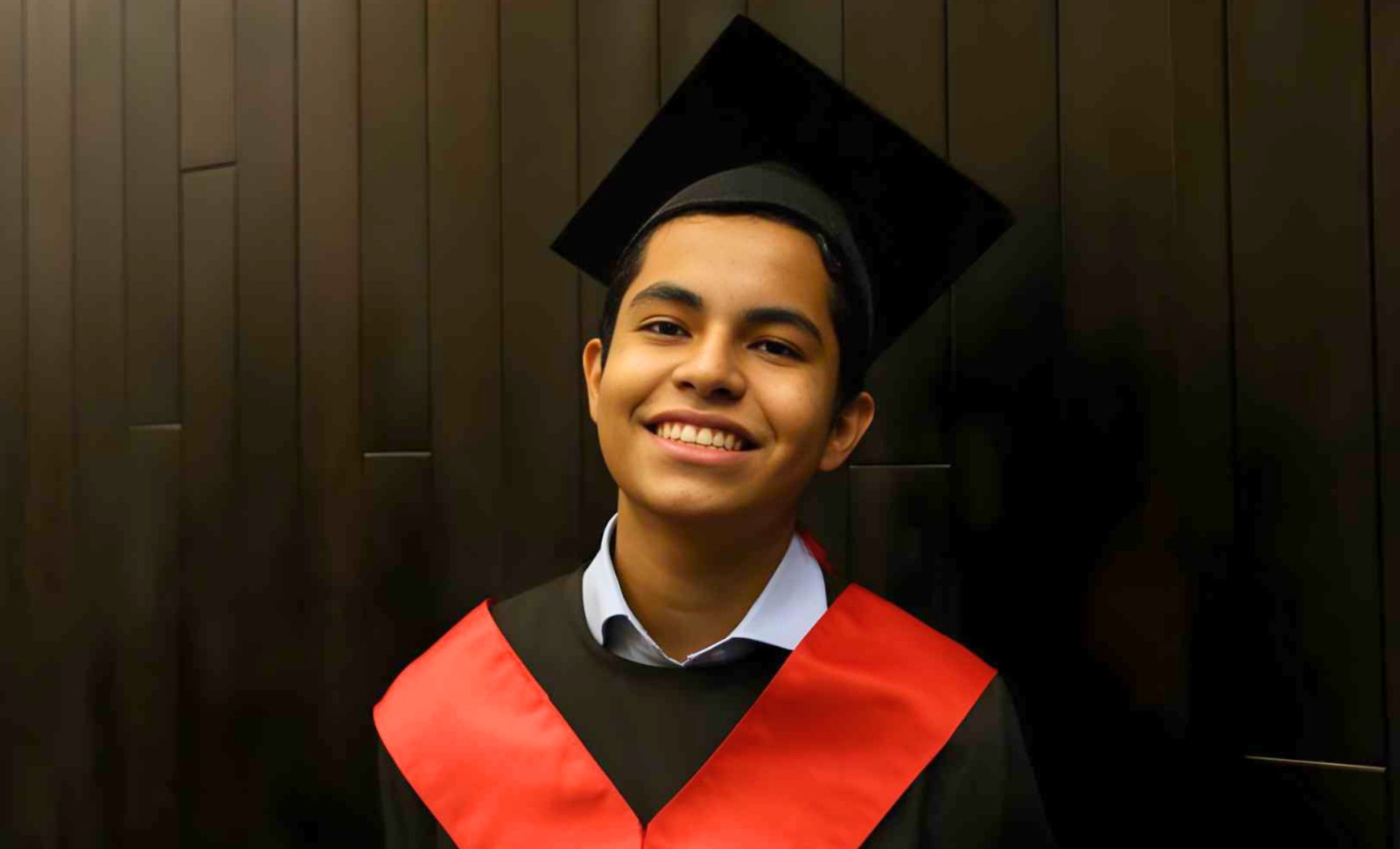
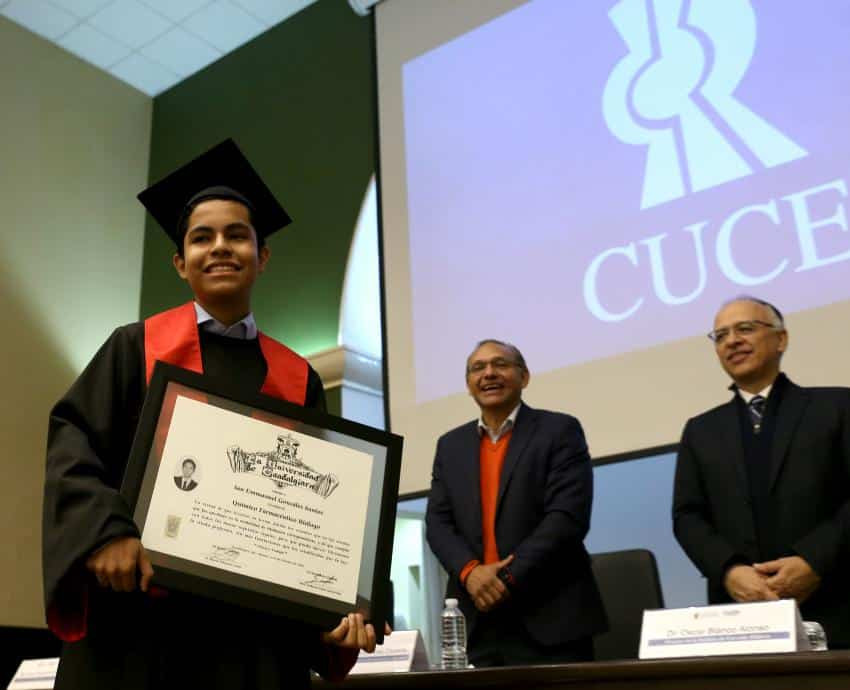
Ian Emmanuel González Santos entered university classes when most children are still in elementary school, having been diagnosed earlier with an attention deficit disorder. By age 13, he became the youngest graduate ever at the University of Guadalajara. Now 15, he is engaged in cutting-edge doctoral research in molecular biology, focusing on enzymes capable of breaking down resilient plastics.
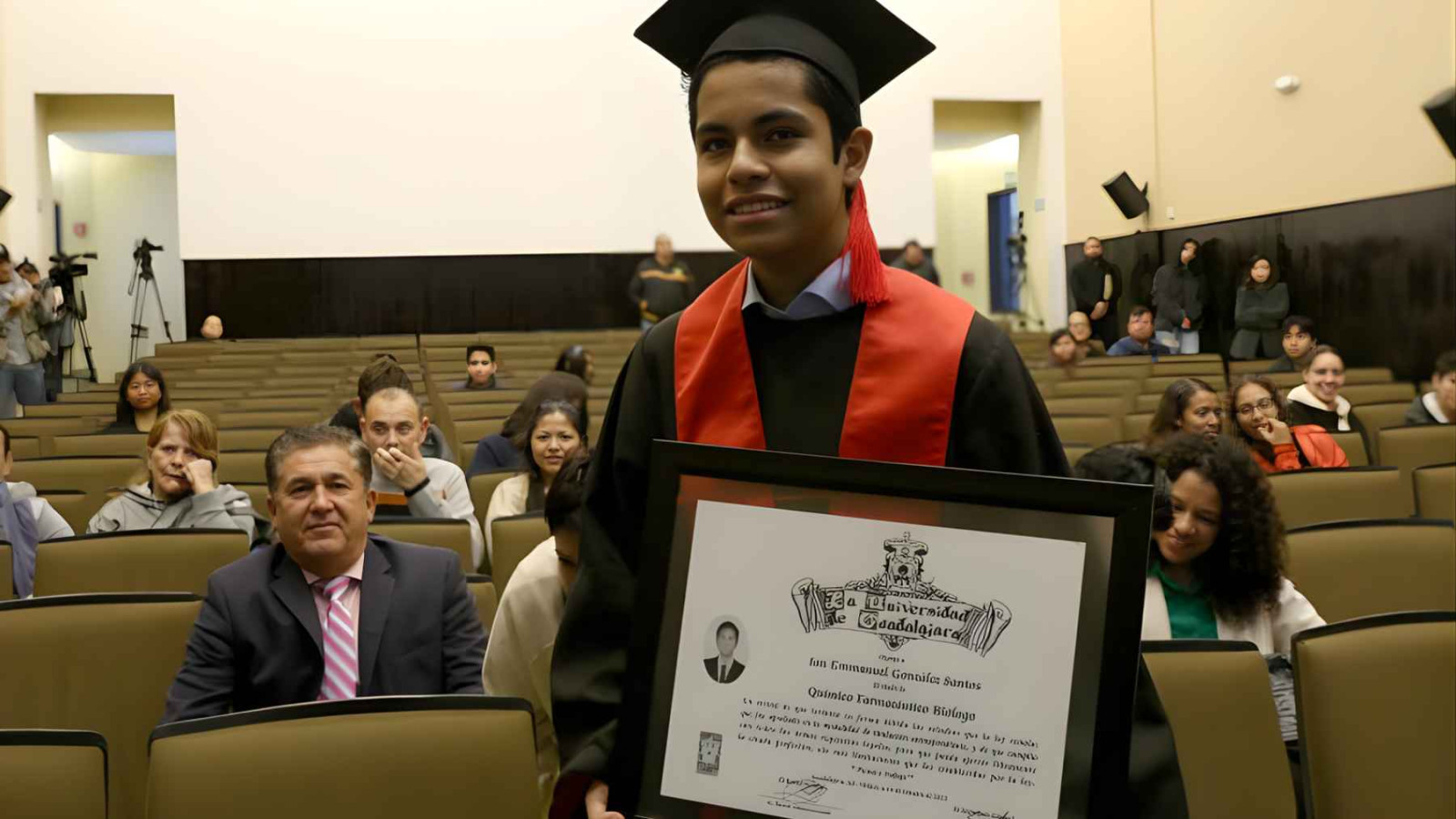
He earned a degree in Pharmaceutical Chemistry and Biology, which integrates chemistry, biology, and health sciences, completing the program in just four years at the Center for Exact Sciences and Engineering (CUCEI). Concurrently, he obtained an international master’s in molecular biology and cytogenetics, and began his PhD studies in January 2024.
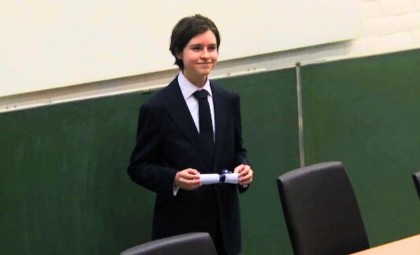
“My journey combines dreams and sacrifices, the challenges of a pandemic, relentless effort, teasing, and numerous successes,” González Santos shared during his December 2023 graduation ceremony, as noted in the university’s official release.

Targeting PET Plastic Decomposition
González Santos has become recognized for his work in using bacteria to degrade PET plastic. Polyethylene terephthalate (PET) is a common component in bottles and packaging due to its durability, transparency, and lightweight nature, which unfortunately means it can persist in the environment for centuries.
The scale of PET’s environmental footprint is staggering. According to the OECD’s Global Plastics Outlook, global plastic manufacturing reached 460 million metric tons in 2019, doubling since 2000, while waste production was 353 million metric tons. Only a fraction, about 9%, was recycled, with roughly 22 million metric tons polluting ecosystems.
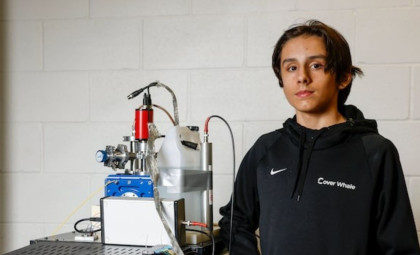
His doctoral research currently focuses on water safety, utilizing metagenomics to analyze genetic material from Lake Chapala, the largest lake in Mexico. Outside his academic pursuits, he balances training in track and field, enjoys music, and plays video games. His ambition is to make significant contributions to humanity, whether addressing plastic pollution or improving water quality.
The Science Behind Enzymatic PET Breakdown
The concept of bacteria that eat plastic has captured imaginations, but the actual mechanism is more technical and promising. Plastic bottles consist of long chains of repeating units, and specific enzymes act like molecular scissors, cleaving these chains into reusable chemical components.
A landmark 2016 study published in Science identified Ideonella sakaiensis 201-F6, a bacterium producing enzymes that can break down PET and utilize it as a carbon and energy source. This discovery opened a new frontier, although the enzyme's natural efficiency was too slow for practical recycling applications.
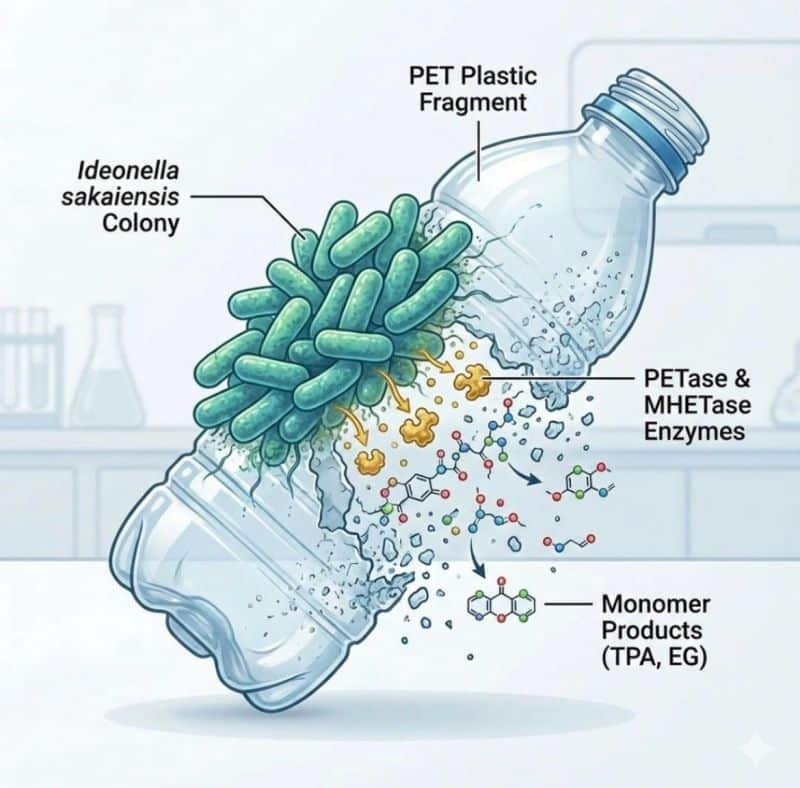
Significant advances emerged in 2022 when researchers at the University of Texas at Austin reported in Nature the development of FAST-PETase, an engineered enzyme able to nearly completely depolymerize untreated post-consumer PET from 51 product types within about one week at 50°C. This enzyme features five specific mutations discovered via a machine learning process based on protein structures. Led by Hongyuan Lu and Hal S. Alper, the scientists demonstrated circular recycling by recovering PET monomers and synthesizing new virgin PET.
Sorting: The Crucial Step for Recycling
Biological recycling methods require optimal conditions. Enzymes demand clean, well-separated PET materials that have been preprocessed to maximize their surface area. Mixed recycling bins commonly do not meet these criteria.
Sorting remains a critical challenge. Experts widely agree that enzymatic recycling is best used alongside mechanical recycling, rather than replacing efforts to reduce waste or improve collection. Without thorough separation of materials, enzyme-based recycling cannot function effectively.
Scaling these innovations to industry is complex. French company Carbios announced plans in March 2026 to construct a facility in Longlaville, with production projected for early 2028, pending financial and presale confirmations. The lengthy timeline reflects the intricate challenges of engineering, logistics, and market readiness transforming lab breakthroughs into commercial operations.
In the United States, PET recycling rates echo these obstacles. Data from the National Association for PET Container Resources reported a 30.2% recycling rate in 2024, a slight decrease from 32.5% in 2023. These figures highlight ongoing difficulties, particularly with complicated packaging types and consumer confusion.
Breaking the Mold: A Remarkable Academic Pathway
Welcoming a nine-year-old undergraduate was uncharted territory for the University of Guadalajara. CUCEI’s rector Marco Antonio Pérez Cisneros acknowledged the university's initial surprise at González Santos’s entry.
“Ian’s arrival was unexpected since we had no precedent,” Pérez Cisneros recalled. “Teachers were initially uncertain but later became enthusiastic, fully supporting the endeavor.”
González Santos has openly discussed the early diagnosis of an attention deficit condition. His academic trajectory shifted dramatically once educators and family advocated for his admission to advanced coursework. The university publicized his graduation on December 8, 2023, garnering widespread attention across Mexican media.
Degree coordinator Susana Guerra Martínez shared during the ceremony that faculty members witnessed his development both academically and personally. “His potential is boundless,” she said, forecasting a stellar professional future.
This inspiring story aligns with broader strategies to mitigate plastic pollution. The OECD report outlines key strategies, including bolstering markets for recycled plastics and encouraging technological innovation. Breakthroughs often emerge from unexpected sources, and González Santos’s journey exemplifies the impact of supporting exceptionally talented youth outside conventional educational frameworks.
- Categories:
- News







0 comments
Sign in to Comment