
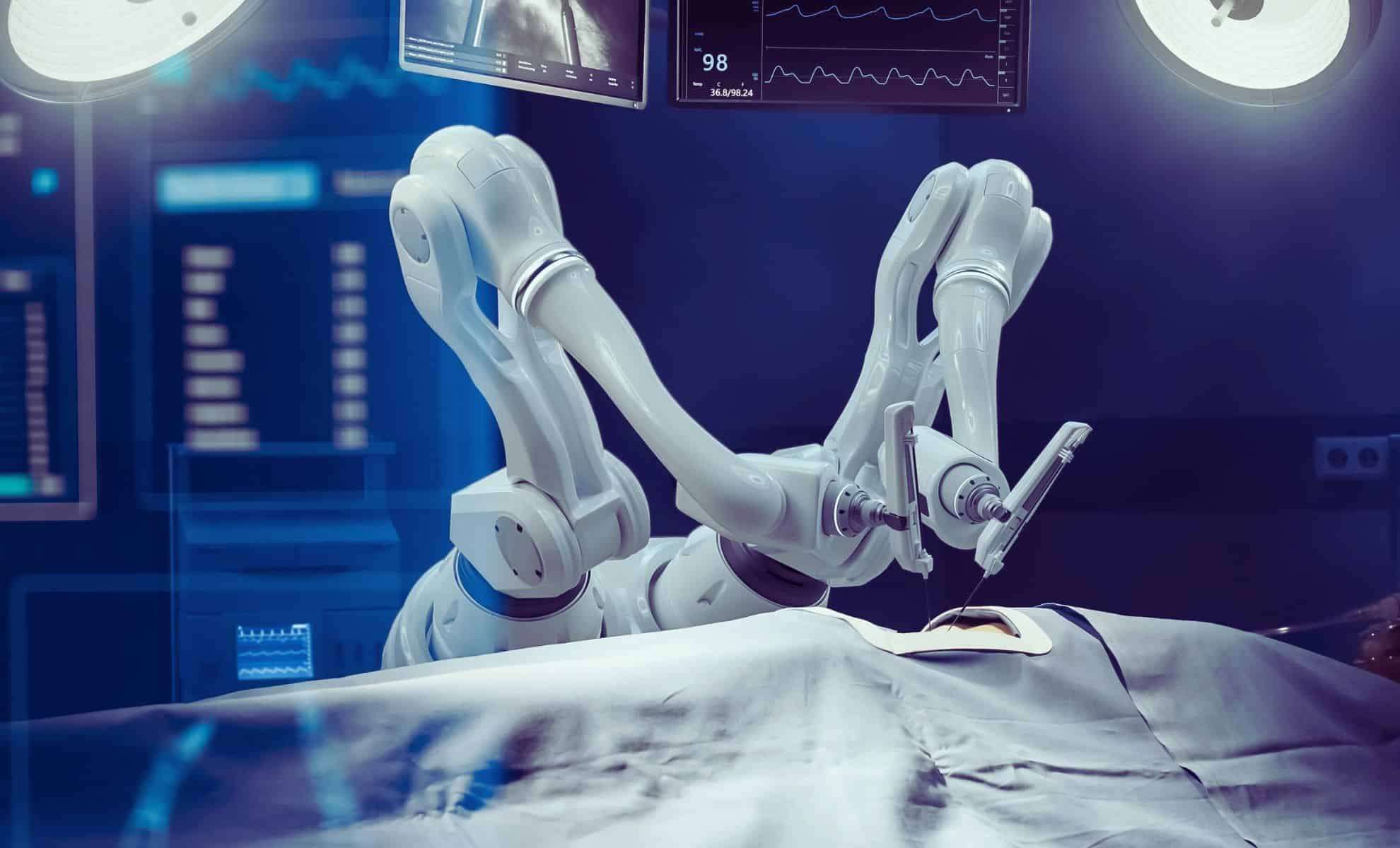
In a major advancement for robot-assisted surgery, researchers have developed a robot capable of executing a sophisticated medical operation entirely on its own, based solely on verbal commands. This pioneering robot completed a gallbladder removal procedure autonomously, marking an important step toward robots taking on greater medical roles with minimal human involvement.
How the Robot Was Trained
Known as the Surgical Robot Transformer-Hierarchy (SRT-H), the machine learned through an advanced method called imitation learning. Instead of relying on explicit, pre-programmed instructions, the robot studied video recordings of expert surgeons performing gallbladder removals on pig cadavers. Much like a surgical resident observing a mentor, the robot absorbed the nuanced steps of the procedure. As a result, it mastered all 17 detailed steps with impressive precision.
The robot’s success is rooted in its ability to respond and adjust in real time. Operating independently, it accurately executed incisions, identified target tissues, and placed clips during the surgery. Although the procedure took longer than a human surgeon’s, the robot consistently achieved the desired outcomes across multiple trials.

Interactive Verbal Command Capability
A distinctive feature of this system is its responsiveness to spoken instructions throughout the operation. Utilizing cutting-edge AI frameworks akin to those powering ChatGPT, the robot understood commands such as “shift the left arm slightly left” and modified its actions accordingly. This ability to process natural language commands adds flexibility, allowing it to function much like a trainee surgeon guided by verbal cues from a senior doctor.
Even when unexpected changes were introduced—such as modifying the robot’s position or altering tissue appearance with dyes—the machine adapted flawlessly. This real-time adaptability is crucial for performing operations successfully in dynamic and unpredictable surgical environments.
Breaking New Ground in Automated Surgery
Led by Ji Woong “Brian” Kim and Professor Axel Krieger at Johns Hopkins University, the research team views this development as a major leap forward for autonomous surgical systems. Unlike older robotic platforms that strictly follow fixed sequences, the SRT-H robot intelligently navigates variable conditions during surgery.
Kim highlighted that this demonstration confirms AI-driven models can be entrusted with intricate surgical tasks autonomously, underscoring that fully automated surgeries are no longer a distant vision but a tangible reality today.
- Categories:
- News








0 comments
Sign in to Comment