
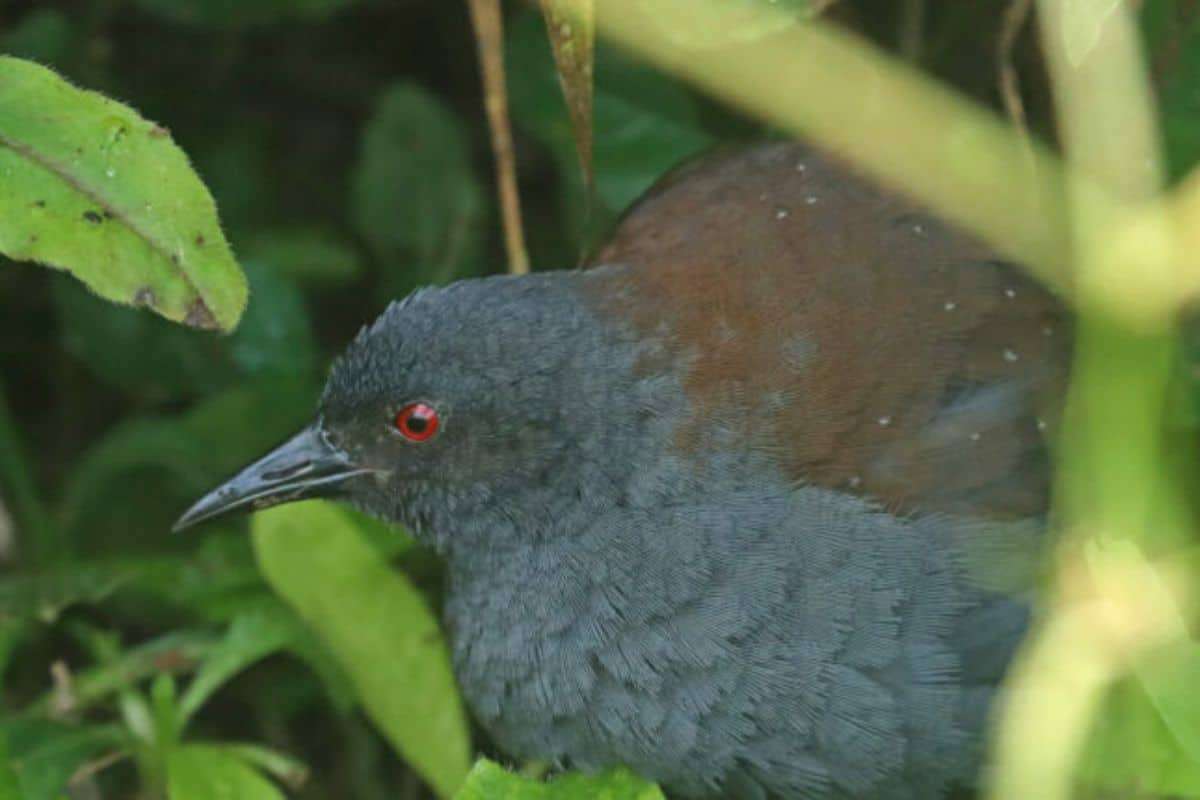
The Galápagos rail (Laterallus spilonota), a small and elusive bird long thought to have vanished from Floreana Island, has been observed once more since its last documented sighting by Charles Darwin in 1835. This surprising finding, outlined in a recent Island Conservation report, sparks an intriguing question: has this species managed to survive unnoticed for almost 200 years, or did it return naturally to the island? This discovery could reshape conservation strategies globally.
A Bird Forgotten by Time
Native to the Galápagos Islands, the Galápagos rail is a ground-dwelling bird famous for its secretive habits, making sightings rare. The last known observation on Floreana was nearly two centuries ago by Charles Darwin. Following this, damage to habitats and invasive predators led to the bird’s disappearance from the island.
Like many island species, the rail is highly sensitive to non-native predators that threaten its eggs and young.

Conservationists had long assumed the rail was extinct on Floreana until recent evidence suggested a more complex story.
Restoration Efforts Revive Floreana’s Ecology
The return of the Galápagos rail aligns with an ambitious restoration project initiated two years ago aimed at removing invasive species responsible for native wildlife declines. Efforts have focused on eradicating rats, feral cats, goats, and pigs, which devastated many bird populations, including the rail.
Similar removal projects on nearby Pinzón Island resulted in a rapid rebound of native species, indicating that with proper habitat restoration, wildlife can recover quickly. Floreana now shows promising signs of similar ecological revival.
Tracking Down the Rail’s Presence
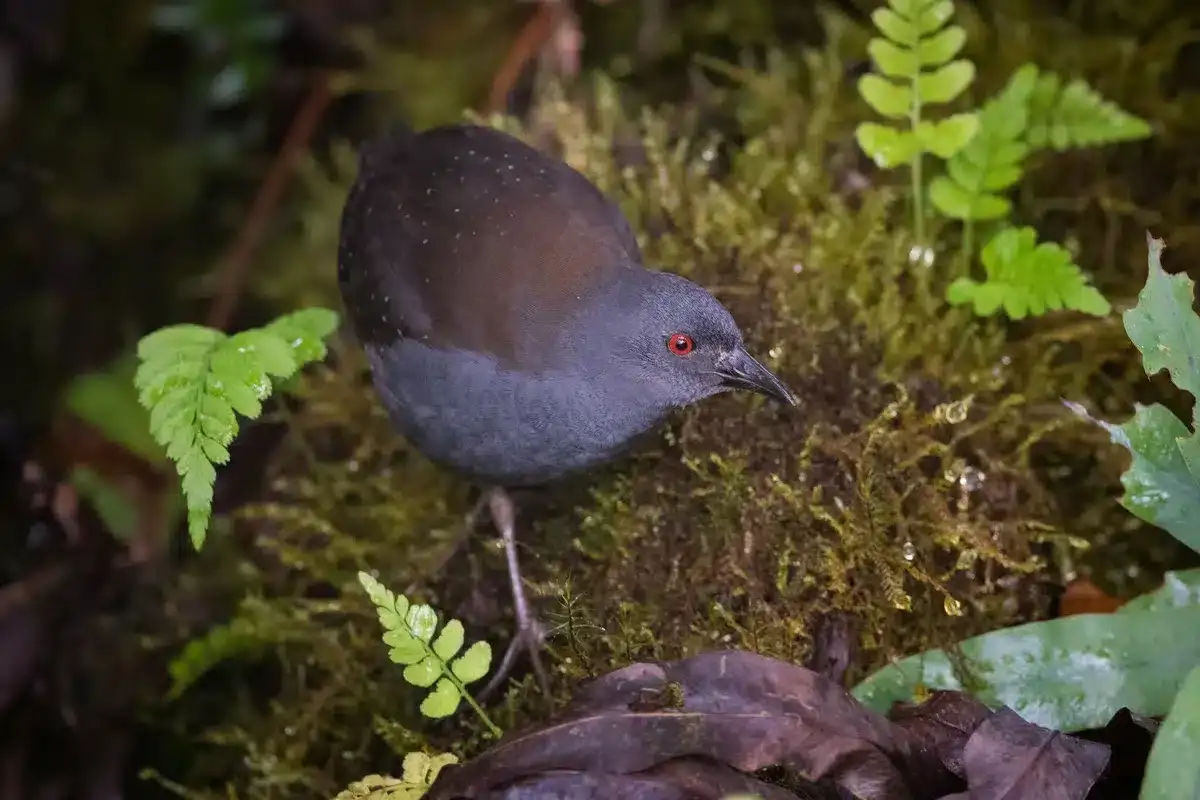
Ranger teams recently documented the Galápagos rails at three distinct sites on Floreana, verifying their presence through photos, sightings, and sound recordings. The birds were located in remote areas, far from inhabited zones, supporting theories that they either endured in isolated pockets on the island or naturally migrated back from nearby islets.
“This is an incredible win for Floreana, and fuels our excitement about what other native species might resurface as the island continues its journey toward ecological recovery,” said Paula Castaño, Conservation Impact Program Manager at Island Conservation, in a statement.
The Enigma of the Rail’s Reappearance
Scientists are now investigating whether the Galápagos rail survived in small, hidden groups on the island or recolonized naturally from neighboring islands. Genetic testing of the Floreana birds is underway to reveal their origins.
If the rails have gone undetected for almost 200 years, it underscores the challenges in definitively declaring species extinct. Conversely, if they recolonized the island, it highlights the resilience and regenerative capacity of island ecosystems once threats are mitigated.
Positive Outlook for Floreana’s Native Wildlife
The Galápagos rail’s rediscovery is part of a broader initiative to restore the island’s original biodiversity. Conservationists aim to reintroduce 11 additional species that disappeared locally, accelerating ecological regeneration. With continuous habitat restoration and protection, more species could return, illustrating nature’s remarkable ability to rebound when given a chance.
- Categories:
- News











0 comments
Sign in to Comment