
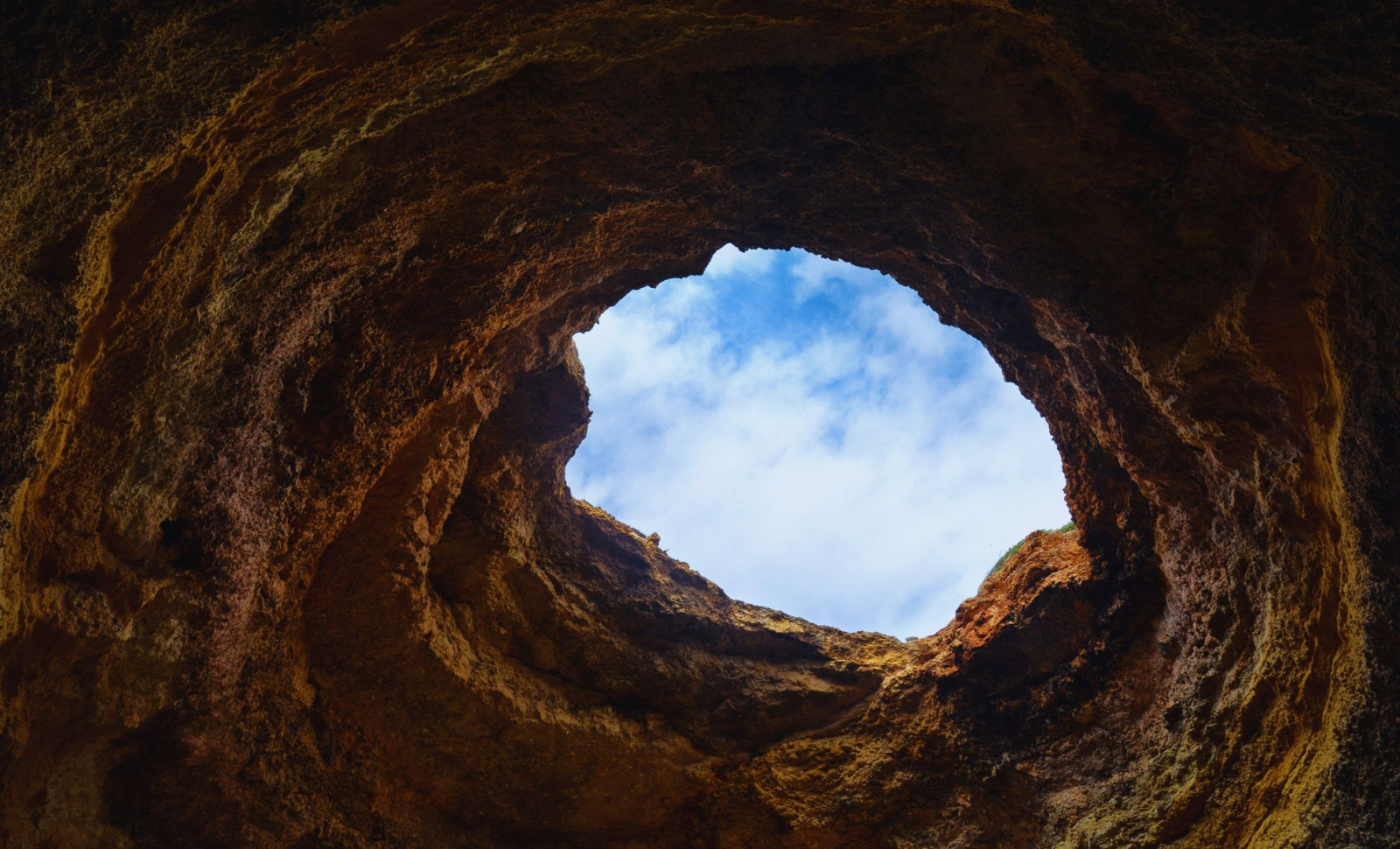
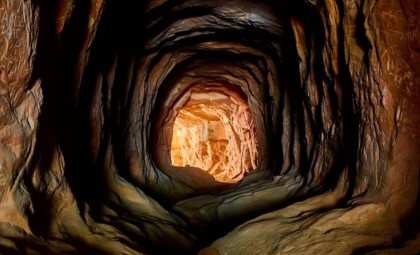
Deep beneath the landscapes of southern Brazil and northern Argentina, researchers have uncovered extensive tunnel networks likely created by enormous Ice Age animals. These underground corridors can extend up to 600 yards in length and are spacious enough for an adult to walk through comfortably, clearly not the result of human construction or natural geological activity.
Over the last ten years, more than 1,500 of these vast tunnels have been cataloged, exposing a hidden subterranean ecosystem once occupied by gigantic prehistoric fauna. The tunnels, carved into solid rock, exhibit unique claw impressions along their walls, linking them to ancient colossal creatures.
Unraveling the Origin of These Strange Underground Passages
Unlike typical caves formed by flowing water or earth movements, these tunnels defy usual origins. Heinrich Frank, a geologist at Brazil’s Federal University of Rio Grande do Sul, explains that the tunnels’ form and layout do not align with any recorded natural or human-made structures.

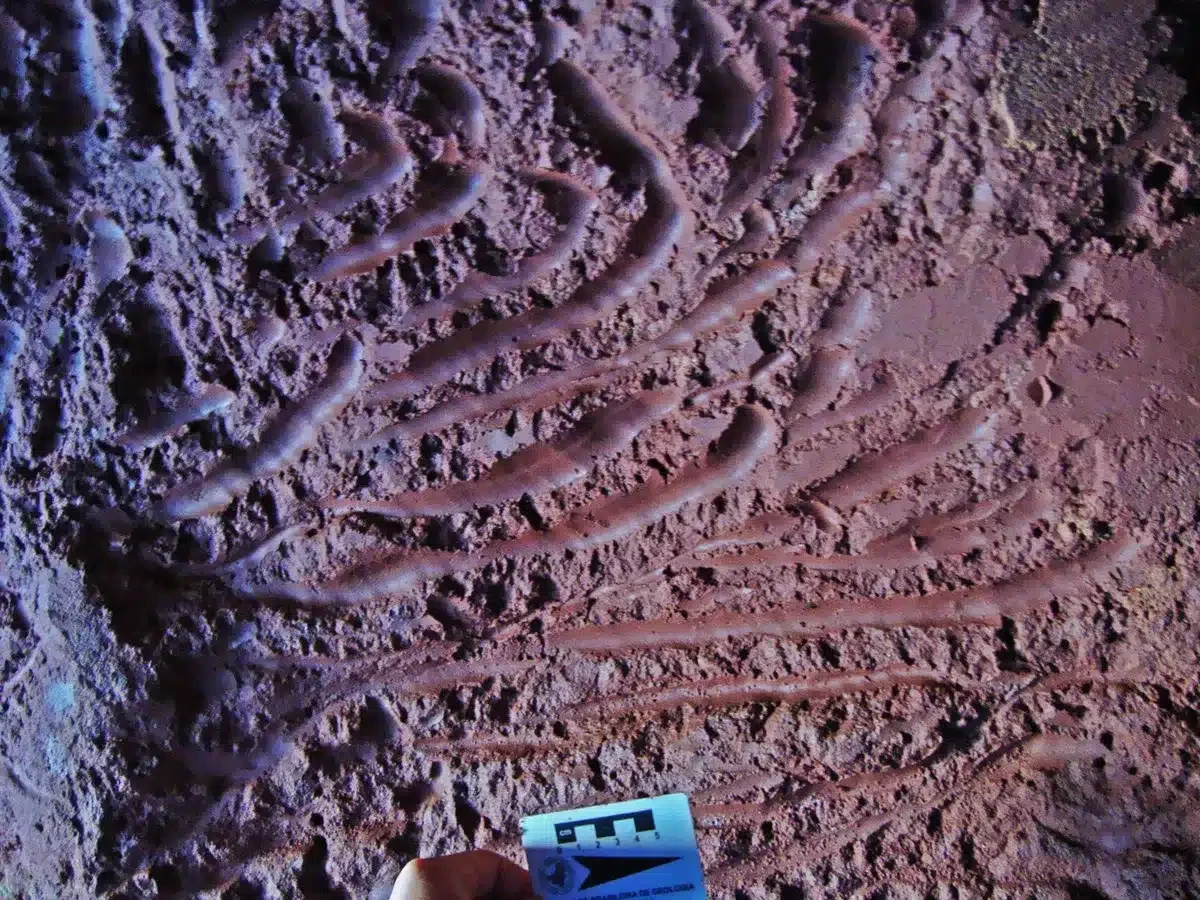
“There’s no geological process in the world that produces long tunnels with a circular or elliptical cross-section, which branch and rise and fall, with claw marks on the walls,” he said. “I’ve [also] seen dozens of caves that have inorganic origins, and in these cases, it’s very clear that digging animals had no role in their creation.”
The tunnels are carved into highly durable materials such as sandstone and volcanic rock, locations that would have posed great challenges for humans or mechanical excavation. This strengthens the hypothesis that giant ground sloths were the beings responsible for these remarkable underground networks.
Research detailed in the journal Ichnos finds that some tunnels appear to have been expanded and reused over time, indicating ongoing maintenance rather than a single excavation event.
Identifying the Architects of These Colossal Tunnels
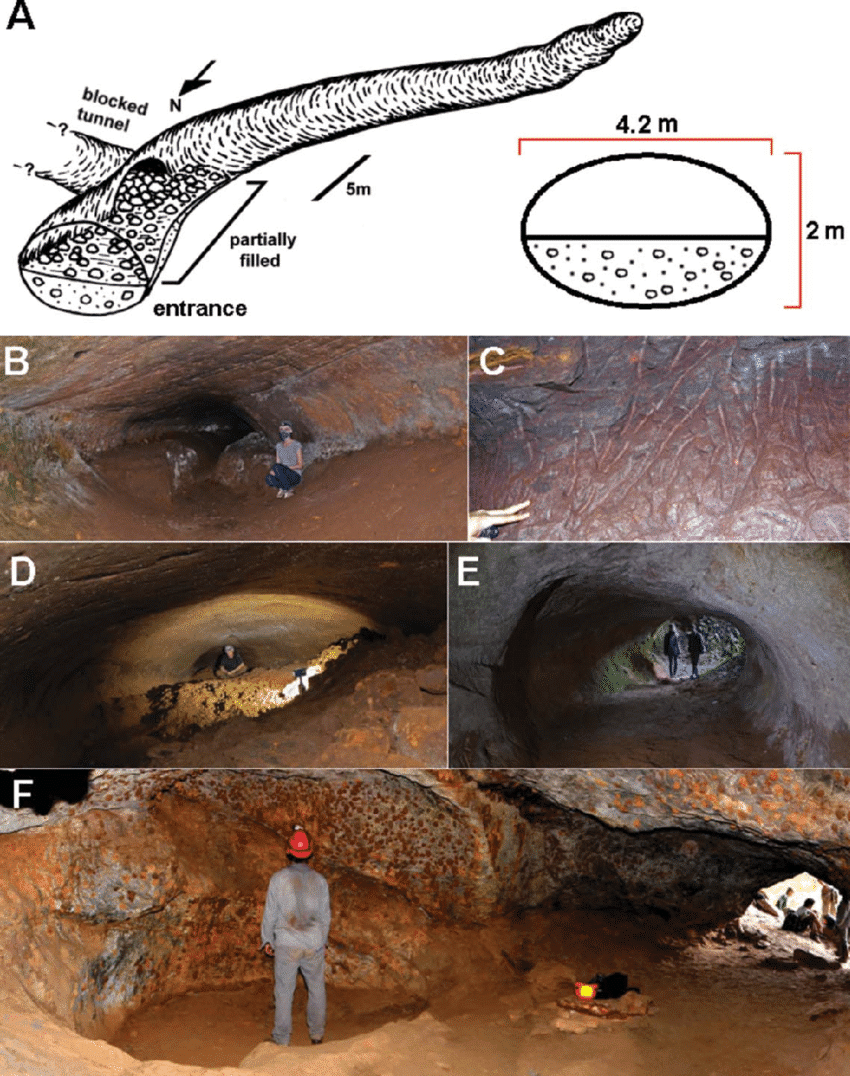
To determine the tunnel creators, scientists analyzed the dimensions of the burrows and the distinctive claw marks found inside. The largest tunnels measure at least six feet in width and height, matching the size range of extinct giant ground sloths like Megatherium. This species, reaching heights of up to 12 feet and weighing nearly four tons, is considered the prime candidate behind these excavations.
Frank and his colleagues observed that the elongated, curved claw marks correspond closely with those of sloth species, contrasting with shorter claws found in other animals such as armadillos.
“So if a 90-pound animal living today digs a 16-inch by 20-foot borrow, what would dig one five feet wide and 250 feet long?” noted Frank. “There’s no explanation – not predators, not climate, not humidity. I really don’t know.”
The Legacy of Giant Sloths in South America’s Subterranean Landscape
These tunnels represent trace fossils, capturing evidence of prehistoric behavior instead of physical remains. Analyzing them provides valuable insights into where giant sloths resided, how they shaped their environment, and what habitats they favored.
This discovery also offers a window into environmental shifts following the Ice Age megafauna extinction. As highlighted by paleontologists in the study published in Science Advances:
“It is possible that the behavior was playful, but human interactions with sloths are probably better interpreted in the context of stalking and/or hunting.” They added, “sloths would have been formidable prey. Their strong arms and sharp claws gave them a lethal reach and clear advantage in close-quarter encounters.”
- Categories:
- Science




0 comments
Sign in to Comment