
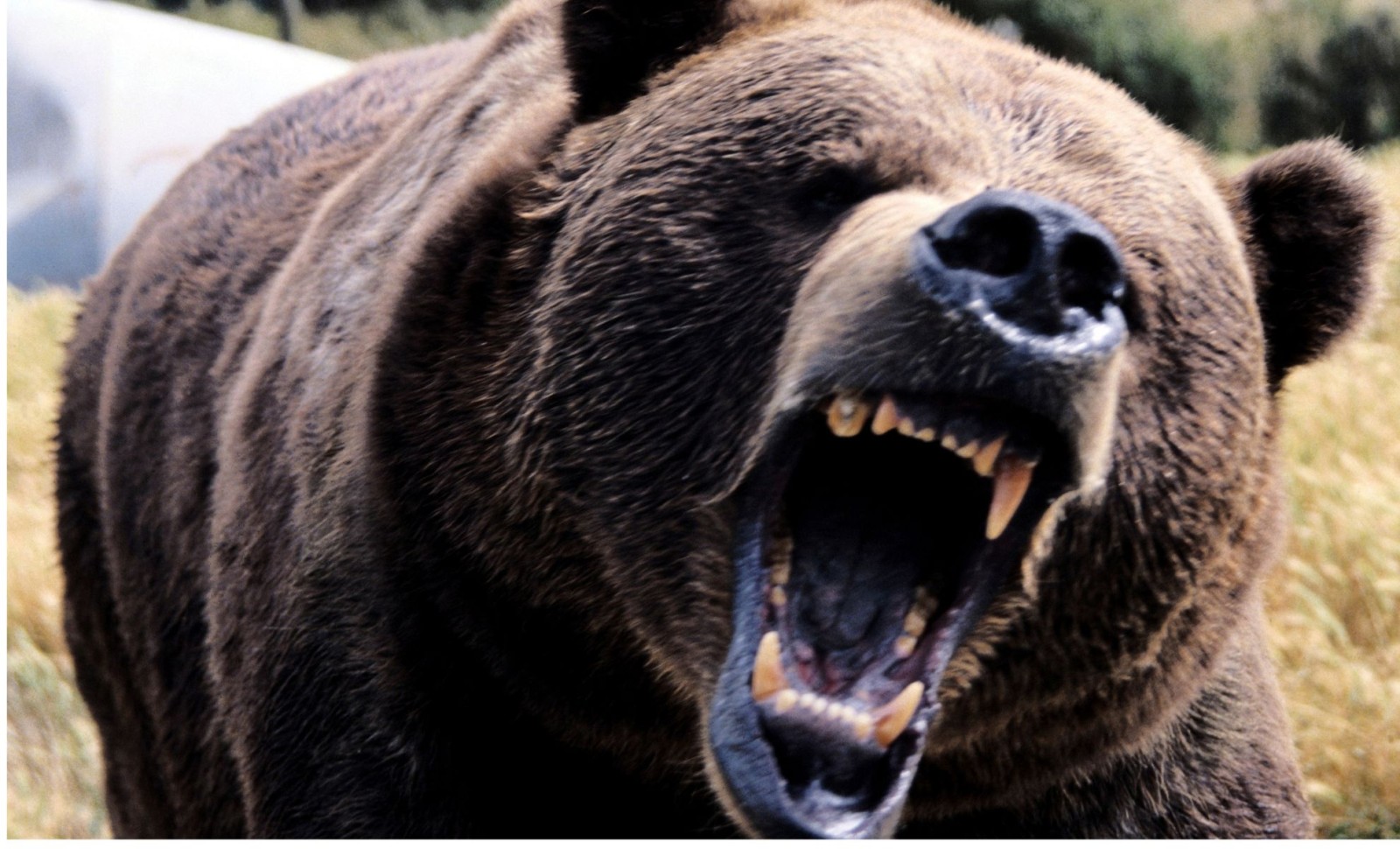
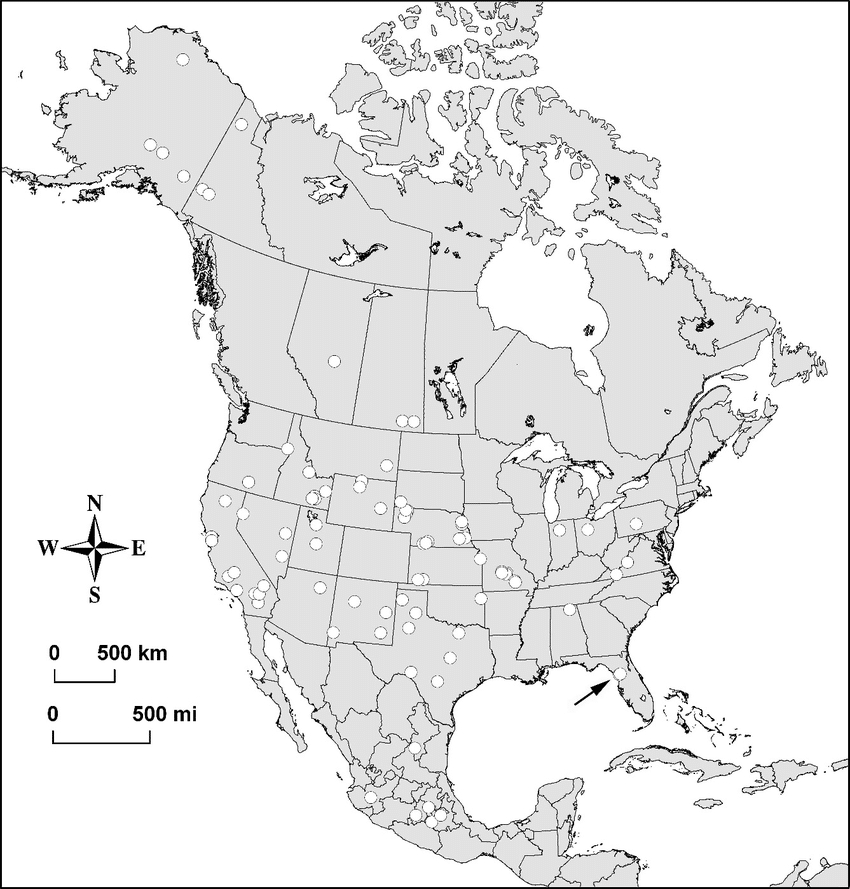
Step aside polar bears—North America's ancient wilderness was once ruled by the giant short-faced bear (Arctodus simus), a beast that could reach an imposing height of 3.3 meters when standing upright. This extinct giant dramatically outsized even the largest bears we know today, making it one of the most formidable predators to have ever roamed the continent.
Living during the Pleistocene epoch over two million years ago, this colossal bear ranks among the largest carnivorous mammals North America has ever seen. With unmatched speed and enormous size, Arctodus simus occupied a vital ecological niche, one that has disappeared from modern ecosystems. Though its immense presence fascinates scientists and enthusiasts alike, the exact causes of its extinction continue to puzzle researchers.
An Enormous Apex Hunter
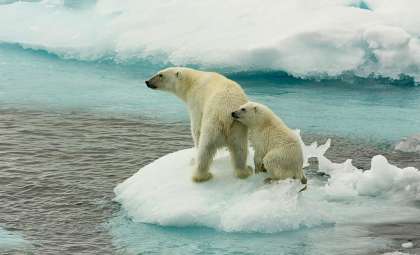
A recent article in the Journal of Paleontology emphasizes the bear’s extraordinary stature. Towering more than 3.3 meters (10.8 feet) tall on its hind legs, it far exceeded the size of modern Kodiak and polar bears, which grow up to roughly 3 meters (10 feet). Weighing in at an estimated 1,000 kilograms (2,200 pounds), this giant was surprisingly swift, capable of speeds exceeding 60 kilometers per hour (40 miles per hour) despite its bulk.

IFLScience reports that the bear's distinctive toe arrangement—more aligned than modern bears—allowed for exceptional running agility. While it remains unclear if the giant bear was primarily an active hunter or a scavenger, its size combined with potential speed suggests it was a dominant presence within its ecosystem.
The bear’s diet likely centered around meat but may have also included various available food sources. Unlike contemporary omnivorous bears, this species might have relied significantly on scavenging carcasses left by other predators.
The Puzzle of Its Disappearance
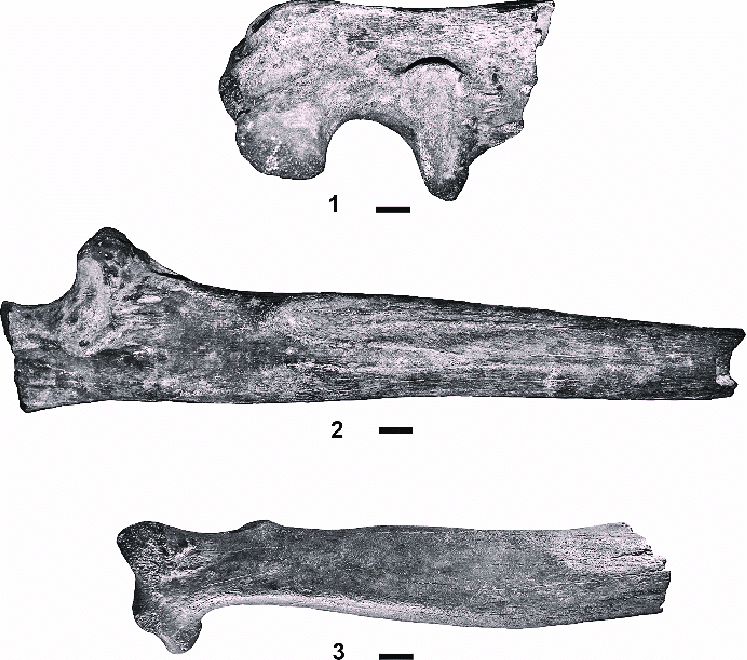
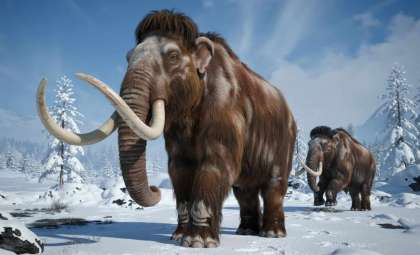
Despite its formidable presence, the giant short-faced bear vanished roughly 11,000 years ago near the end of the Pleistocene. The causes of its extinction remain debated, with several hypotheses in circulation. Many scientists argue that climatic shifts altered the bear’s habitat and food supply, critically affecting such a large carnivore’s survival, especially as big herbivores like mammoths and mastodons also declined.
The simultaneous arrival of humans in North America could have further accelerated the extinction of megafauna, including this massive bear. Human hunting pressures and environmental changes likely destabilized ecosystems that had sustained these giant animals for millennia.
- Categories:
- Science








0 comments
Sign in to Comment