
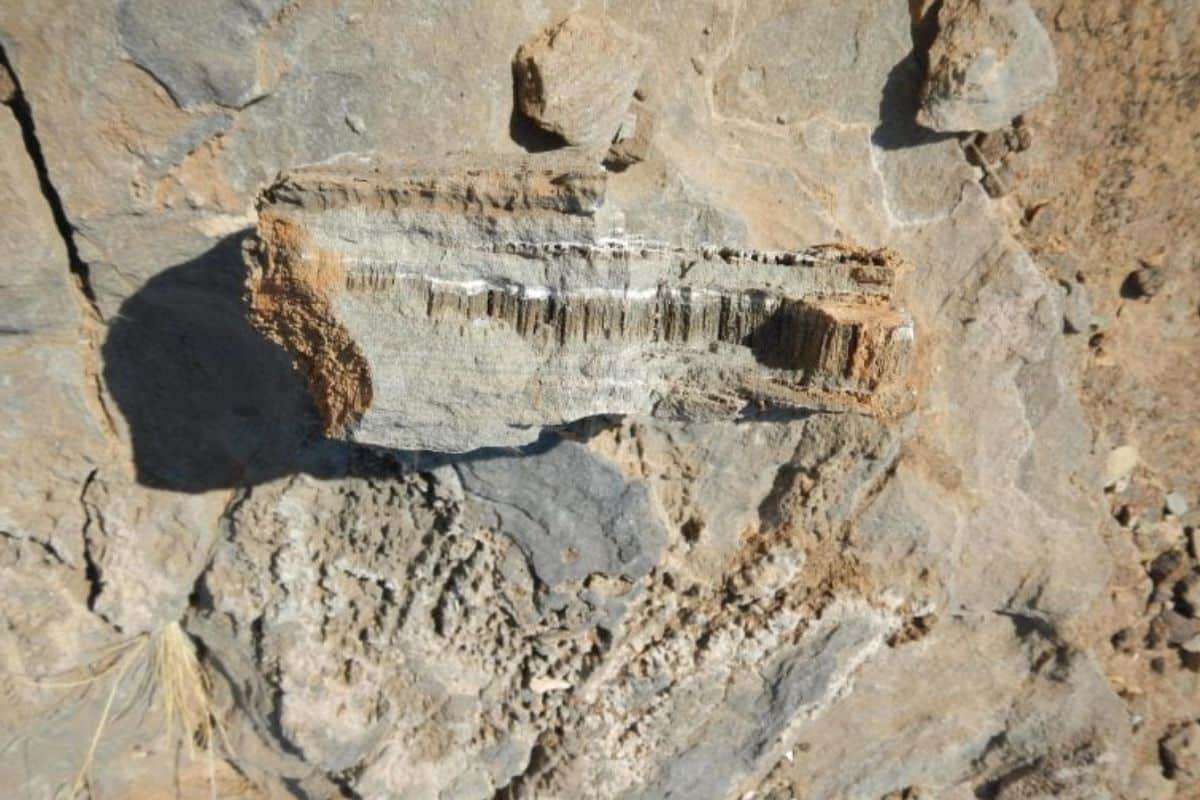
Researchers in Namibia have uncovered an intriguing natural formation: parallel microscopic tunnels embedded deep within marble and limestone deposits. These micro-burrows may represent traces of a long-extinct—or possibly still thriving—microscopic organism.
New Findings Support Biological Origins Over Geological Processes
The comprehensive research, published on February 27, 2025, in the Geomicrobiology Journal under the title “Subfossil Fracture-Related Euendolithic Micro-burrows in Marble and Limestone”, was pioneered by Professor Cees Passchier of Johannes Gutenberg University Mainz (JGU). During geological surveys in Namibia, Passchier encountered unusual vertical tunnels within Precambrian-era rocks dating back approximately 500 to 600 million years. These slender cavities, extending up to ten meters, formed distinct, ordered bands through the stone.
“The structures we observed defy typical geological explanations,” Passchier explained. Further tests identified residual biological material embedded inside the tunnels, strongly indicating they were carved out by living entities. However, attempts to locate DNA or protein traces failed, deepening the enigma.

Global Presence: Similar Microburrow Networks Found Beyond Namibia
Since their first detection in Namibia some 15 years ago, analogous micro-tunnel formations have emerged in arid zones from Oman and Saudi Arabia. In Oman, these traces appeared in limestone, whereas in Saudi Arabia, they were discovered within marble. Remarkably, these formations share consistent features: narrow tunnels under 0.5 millimeters in width and up to 3 centimeters deep, densely packed with fine calcium carbonate deposits.
“The most plausible explanation is that a microorganism bored these tunnels to extract nutrients from the calcium carbonate substrate,” Passchier noted.
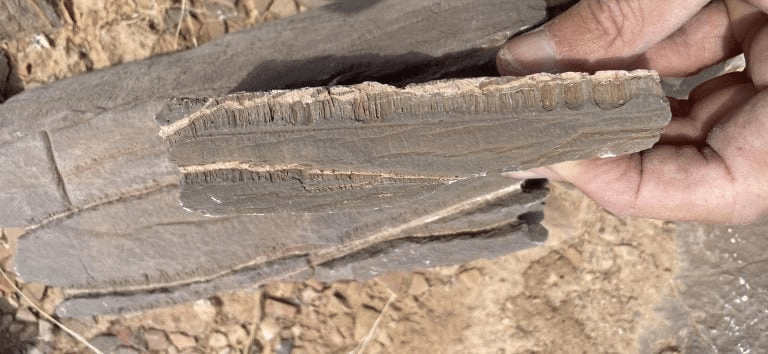
Image Credit: Cees Passchier
Is This an Unknown or Extinct Lifeform?
These formations are linked to a category of life called endolithic microorganisms, which inhabit and feed within rocks. Such organisms are known for their ability to endure harsh environments like deserts. Still, the true species responsible for these African and Middle Eastern structures remains a mystery.
“The exciting part is that we have yet to identify which type of endolithic microorganism produced these burrows. It could be a previously undiscovered organism or something entirely new,” Passchier stated.
Given that these tunnels penetrate deep into solid rock and show no evidence of surface access, it suggests the organism functioned without sunlight, raising intriguing questions about its metabolism.
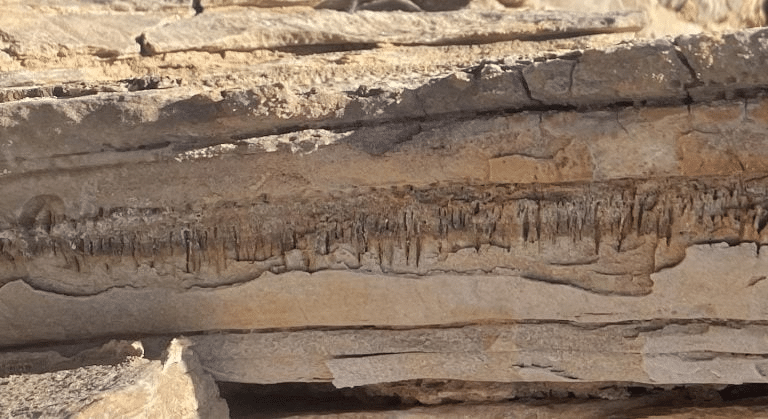
Image Credit: Cees Passchier
Broader Impact on Earth's Carbon Cycle and Astrobiology
If the biological origin of these tunnels is confirmed, it could transform understanding of Earth’s carbon cycling processes and aid the search for extraterrestrial life.
Microorganisms capable of drilling through solid rock without relying on sunlight might have parallels on planets like Mars or other rocky celestial bodies. Their rock-altering activities could also influence Earth’s carbon dioxide balance through geochemical processes.
“Whether this lifeform survives today or existed only in the past, it holds potential significance for the global carbon cycle. It’s imperative that geomicrobiologists and microbial geneticists intensify research in this area,” Passchier emphasized.
- Categories:
- Science




0 comments
Sign in to Comment