
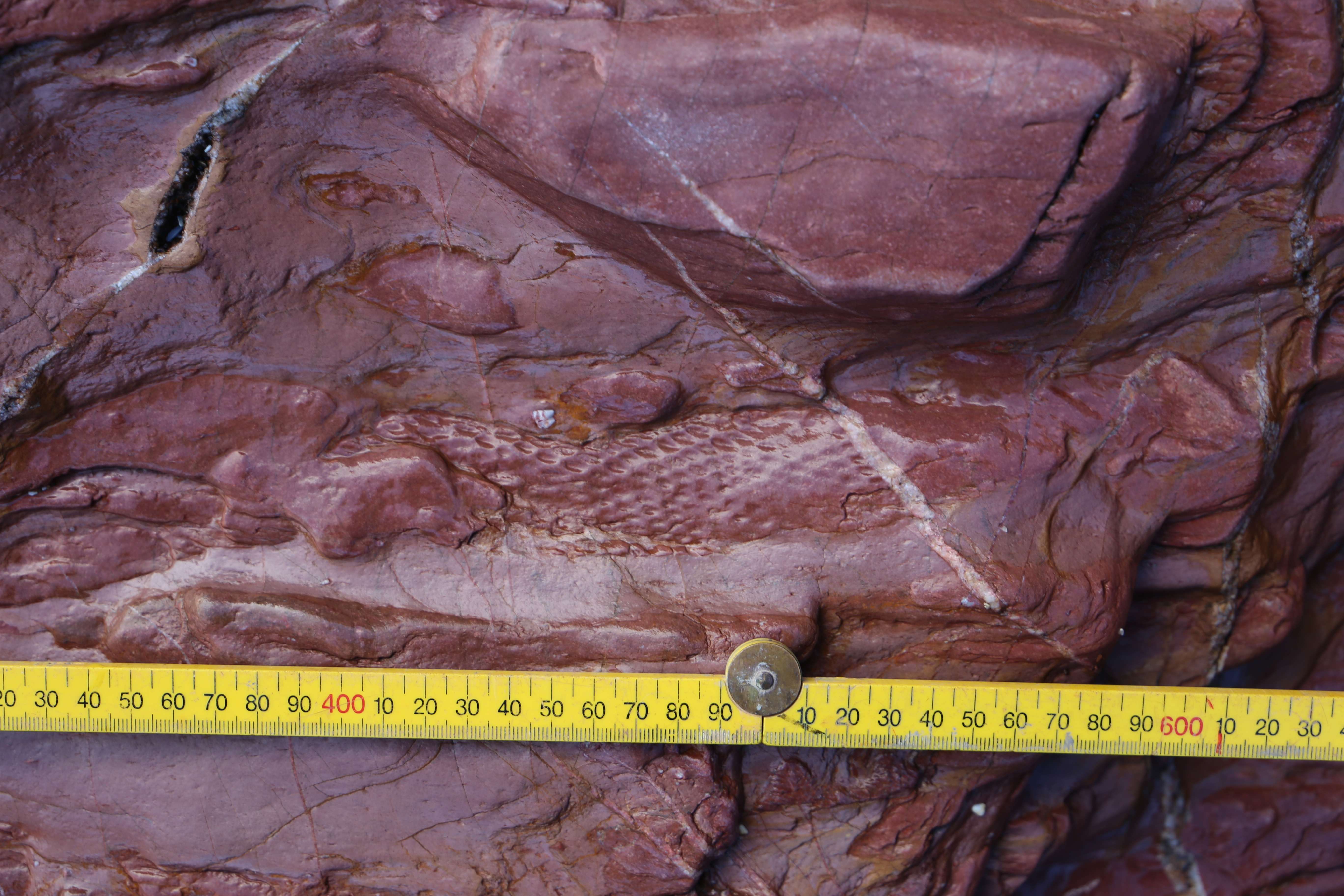
Researchers at the English Riviera UNESCO Global Geopark have made a remarkable find: fossilized remains of ancient trees, early relatives of today’s palm species, uncovered at Saltern Cove in Torbay, South Devon. These fossils, dated to around 377 million years ago, provide new clues about the area’s prehistoric ecosystem and promise to reshape understanding of its geological history.
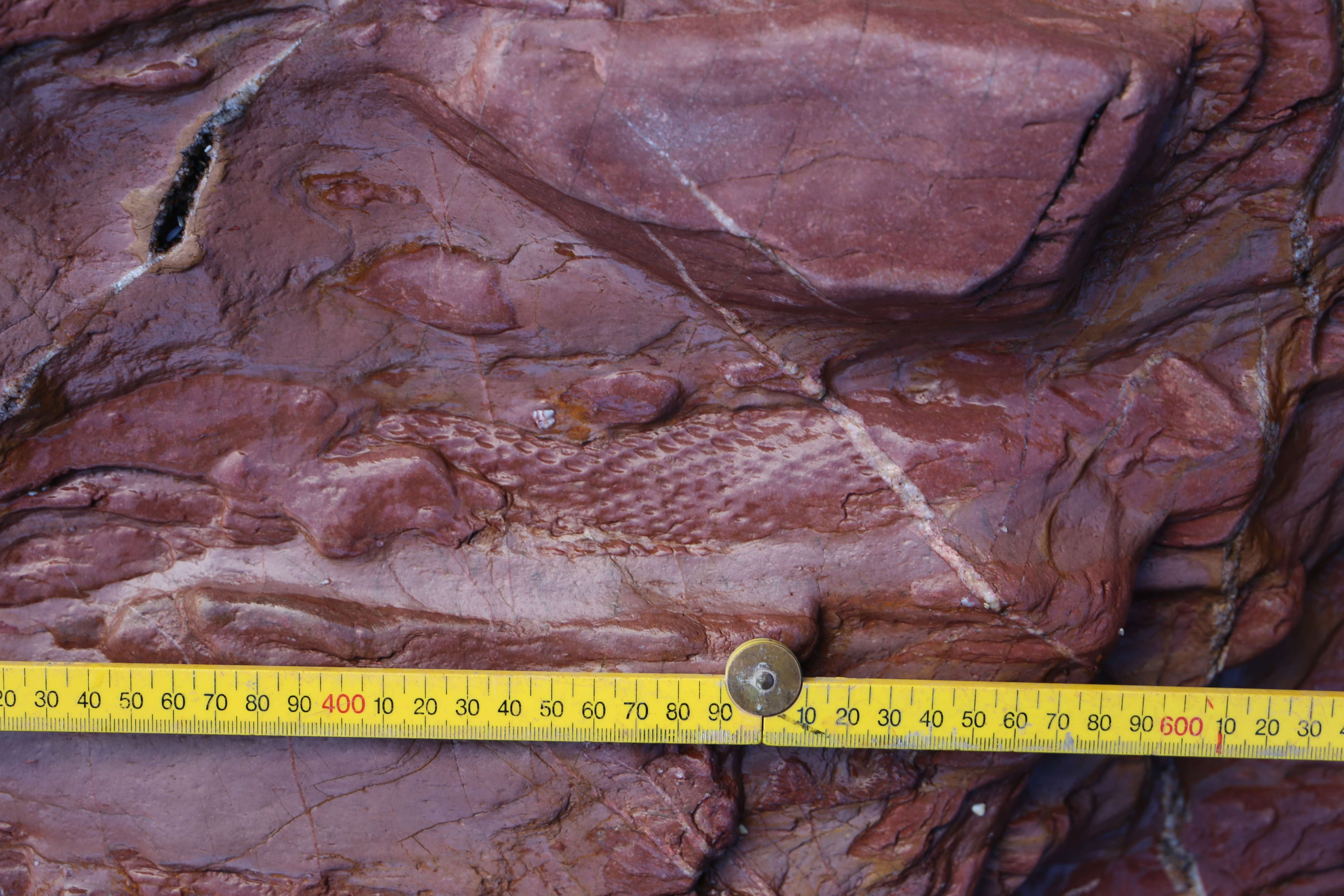
The specimens, identified as belonging to lycopsids—primitive tree forms resembling smaller palm-like plants—were discovered during a detailed condition assessment of the Geopark’s Sites of Special Scientific Interest. This significant breakthrough has generated excitement within the scientific community. Fragments, including roots and bark samples, have been sent to the Torquay Museum for comprehensive analysis.
Revealing the Ancient Landscapes of Torbay
This discovery delivers important perspectives on the ancient geology of the Torbay region:

- About Lycopsids: These ancestral trees stood roughly 13 feet tall, resembling diminutive palms and played a role in historic coal formation.
- Environmental Context: The fossils suggest that volcanic islands with vegetation existed in what was previously interpreted as a purely marine environment.
- Geological Significance: This is the first documented evidence of terrestrial plant life in the area dating back to the Devonian period.
Dr. Kevin Page, President of ProGEO and Honorary Senior Research Fellow at the Camborne School of Mines, University of Exeter, remarked, “These fossils are incredibly significant as they provide valuable insights into the prehistoric environment of Torbay, including the presence of volcanic islands with trees growing on them.” This discovery could represent the first record of a Devonian desert island with trees.
Preserving a Prehistoric Treasure Through Teamwork
The excavation and protection of these fossils involved careful coordination:
- Initially kept under wraps, an expert working group was formed including specialists from the Universities of Exeter, Plymouth, Cardiff, Lille, and Natural England.
- To safeguard the fossils from damage caused by winter storms, they were carefully extracted using technical winching methods along the cliff face, with geological expertise guiding the process.
- Currently, the fossils reside at Torquay Museum, where ongoing research aims to deepen understanding of the English Riviera’s geological evolution.
Melanie Border, Geopark Coordinator, highlighted, “Until now, our Devonian rocks have only indicated a marine environment. This finding introduces a new perspective on shifting ancient environments and reinforces the importance of conserving our natural heritage."
The English Riviera: A Valuable Site of Geological and Scientific Importance
This milestone reinforces the worldwide significance of the English Riviera UNESCO Global Geopark:
- An exceptional mix of scenic beauty and geological distinction, recognized internationally for its scientific and cultural contributions.
- Fresh insights into the area’s prehistoric ecosystem, unveiling a complex history featuring volcanic islands and early plant life.
These lycopsid fossils broaden knowledge about Torbay’s ancient environment and enrich studies of ecological transformations during the Devonian era. As Melanie Border remarked, “It opens a new chapter for us and highlights the importance of studying our natural heritage.”
The English Riviera continues to stand as a beacon of geological marvels and natural heritage, its reputation growing as further ancient plant fossils come to light.
For more details on the English Riviera UNESCO Global Geopark and updates on fossil research, visit www.englishrivierageopark.org.uk.
- Categories:
- Science






0 comments
Sign in to Comment