
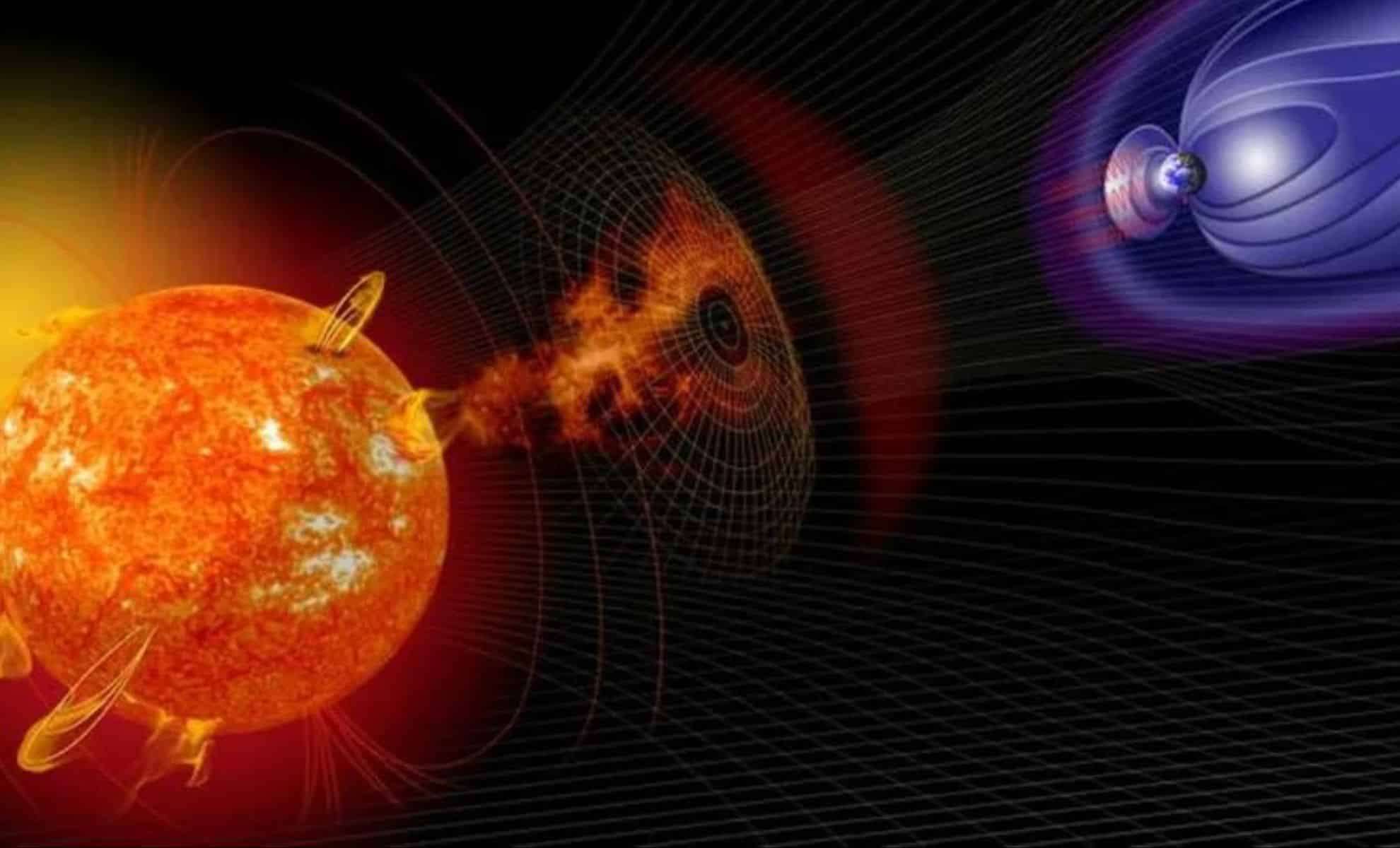
Recent investigations have revealed signs of several intense solar storms that impacted Earth long ago, with potentially devastating effects if similar events were to happen now. Utilizing data from tree ring analysis and radiocarbon measurements, researchers underscore the vulnerability of our technology-dependent world, where disruptions to satellites, electrical networks, and communication systems could be severe.
Understanding Solar Storms and Their Historical Impact
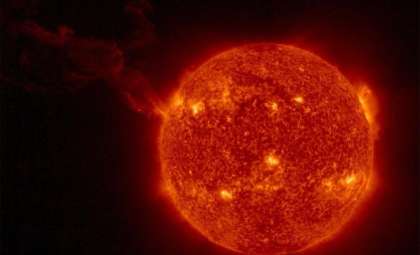
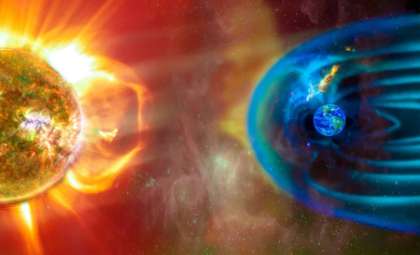
Solar storms, sometimes called solar superstorms, are powerful bursts of charged particles expelled by the Sun that interact with Earth’s magnetosphere. These collisions induce electric currents and disturbances in the planet’s magnetic shield, producing breathtaking phenomena like the aurora borealis. However, more extreme storms have the potential to interfere with modern electronics and infrastructure.
A landmark event in solar storm history is the Carrington Event of 1859, the strongest storm recorded. It caused telegraph lines in Europe and North America to fail, sparking fires in some cases due to electrical surges. At that time, the impact was primarily on telegraph systems, since today’s widespread digital and electrical networks had yet to exist.

The Carrington Event remains a cautionary tale of solar activity’s power, but newer research indicates even fiercer solar storms occurred before 1859. This raises pressing questions about how our modern society might respond. Studies of ancient natural archives, especially tree rings, are revealing evidence that such extreme solar superstorms are more than theoretical possibilities.
Tree Rings: Earth’s Archive of Solar Storm Activity
Scientists have pioneered the use of tree rings to trace past solar storms, as these rings record variations in atmospheric composition over centuries. Solar storms trigger elevated levels of radiocarbon (carbon-14) in the atmosphere, which trees incorporate during growth. By measuring the radiocarbon spikes in annual rings, researchers can identify and date solar storms that took place thousands of years ago.
This approach originated with Fusa Miyake, a Japanese cosmic ray physicist, who in 2012 uncovered a sharp rise in radiocarbon pointing to an intense solar storm in 774 AD, now termed the Miyake Event. Since then, the technique has advanced, revealing additional powerful storms as far back as 7176 BC.
These ancient solar storms were substantially stronger than the Carrington Event. For instance, the 774 AD storm is believed to have been several magnitudes more intense. Researchers have documented four major superstorms from tree ring data: in 993 AD, 660 BC, 5259 BC, and 7176 BC. Each event caused marked increases in radiocarbon, leaving a distinct trace in the tree rings of those periods. Decoding these signatures improves scientists' knowledge of solar storm frequency and severity.
The Threat to Today’s Technology
If a solar storm akin to the 774 AD event or the Carrington Event struck now, the impact on modern civilization could be catastrophic. Our reliance on satellite communication, electricity grids, and online networks leaves us vulnerable to severe disruptions triggered by intense space weather. These systems are integral to everything from global finance to transport logistics.
Satellites are particularly susceptible during solar storms. When high-energy particles collide with Earth's upper atmosphere, they can damage or disable satellites. Losing these satellites would cripple communication, navigation, weather monitoring, and even national defense capabilities.
Power grids also face significant risks. Solar storms can induce strong electrical currents in power lines, overloading transformers and causing widespread power outages. A notable example occurred in 1989 when a modest solar storm caused a blackout across Quebec, Canada, cutting off electricity for millions. A stronger storm today could lead to far-reaching blackouts lasting from days to weeks.
The Sun’s Cycles and Unpredictable Solar Events
The Sun undergoes roughly 11-year cycles alternating between solar maximums—periods of increased storm activity—and quieter solar minimums. These cycles relate to fluctuations in the Sun’s magnetic field and influence sunspot and solar flare activity. Yet, the connection between these cycles and extreme solar superstorms remains incompletely understood.
Scientists suspect that rare, high-impact “black swan” events—like the powerful storms indicated in tree ring studies—may not conform to the typical solar cycle patterns. The large storm around 7176 BC exemplifies such unpredictability, which complicates forecasting and heightens the need for continued research into historic solar phenomena.
Mitigating the Risks of Future Solar Superstorms
Though predicting the exact timing of the next solar superstorm is challenging, evidence suggests one will inevitably occur. Current efforts focus on expanding the analysis of tree ring records globally to refine knowledge of historic solar events and possibly uncover previously unknown superstorms.
Improved understanding aids preparation strategies. Governments and relevant industries are increasingly aware of space weather risks and are enhancing protective measures for critical infrastructure. These include strengthening power grids, enhancing satellite shielding, and developing early warning systems to mitigate the impact.
Research into past solar storms, especially through tree rings, provides invaluable insights into the Sun’s activity over millennia and informs strategies to safeguard our technologically driven society. As dependence on advanced technologies grows, readiness for future solar superstorms is becoming a vital focus.
- Categories:
- Astronomy ,
- News ,
- Science






0 comments
Sign in to Comment