
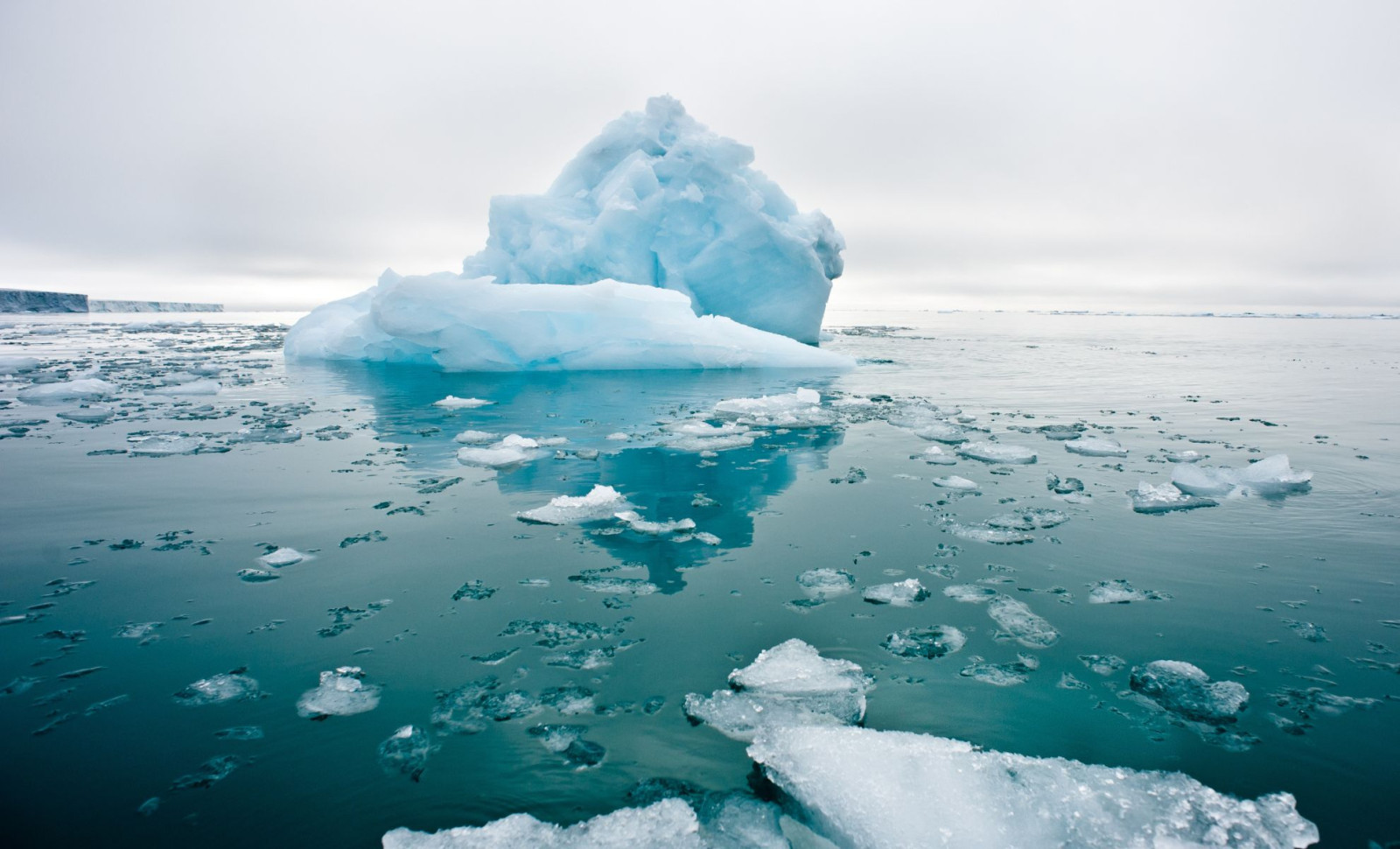
Colossal underwater waves generated by iceberg discharges are contributing more significantly to Greenland’s accelerating ice melt than previously recognized. These hidden currents, uncovered through advanced fiber-optic sensing technologies, continuously drive warm water toward glacier fronts, intensifying melting processes that have largely escaped earlier detection.
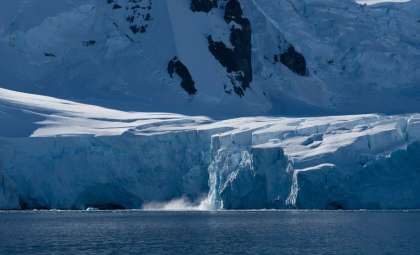
Glacier calving, the dramatic separation of ice chunks that plunge into the ocean, is well understood as a key factor in Greenland’s ice decline. While this above-water spectacle is visible, the complex underwater interactions that follow have remained elusive.
Scientists from the University of Zurich and the University of Washington tackled this challenge by deploying instruments directly on the ocean floor, revealing these concealed dynamics.

Seafloor Fiber-Optic Cable Detects Subtle Movements
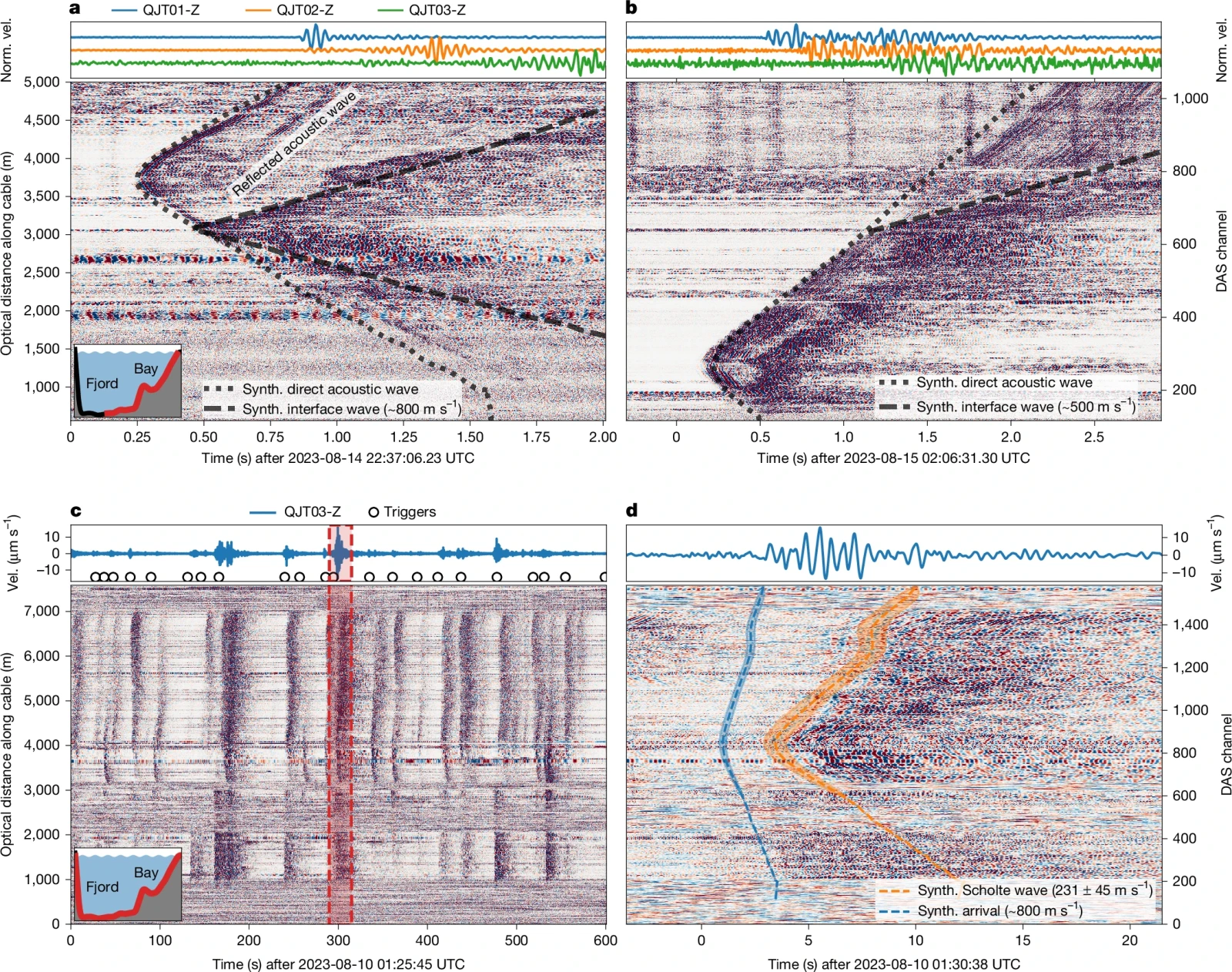
Researchers installed a 10-kilometer-long fiber-optic cable along the seabed adjacent to the Eqalorutsit Kangilliit Sermia glacier, which annually sheds around 3.6 cubic kilometers of ice, making it one of the region's most prolific glacier outlets. The cable employs Distributed Acoustic Sensing (DAS), a technique sensitive to minute vibrations along its length. Lead researcher Dominik Gräff explained:
“The fiber-optic cable allowed us to measure this incredible calving multiplier effect, which wasn’t possible before.” he added, “this enables us to measure the many different types of waves that are generated after icebergs break off.”
Essentially, this technology lets scientists simultaneously "listen" to the glacier’s activity and the ocean’s response underwater—something satellites cannot accomplish due to their surface-only perspective.
Hidden Waves Sustain Greenland’s Glacial Meltdown
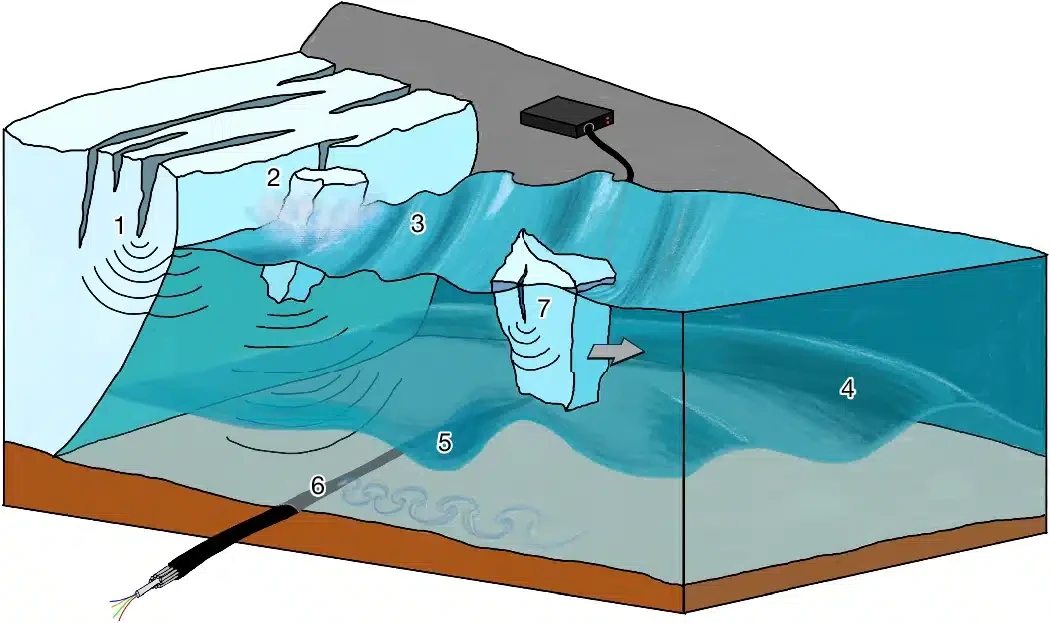
When an iceberg detaches, it generates surface waves that ripple through fjord waters, often termed calving-induced tsunamis. These waves rapidly stir the upper water layers. However, the underwater story extends beyond these initial ripples.
Researchers found that internal waves persist beneath the surface long after visible waves subside. These currents travel between water layers of varying density and can grow as tall as skyscrapers.
Since the fjord seawater is warmer and heavier than the glacier meltwater, it sinks and then is repeatedly pushed back toward the glacier base by these internal waves, maintaining a persistent flow of warm water that gradually chips away at the ice from below.
A Self-Perpetuating Cycle of Ice Loss
This process triggers what researchers describe as a “calving multiplier effect.” Andreas Vieli, professor at the University of Zurich’s Department of Geography and co-author, highlights:
“The warmer water increases seawater-induced melt erosion and eats away at the base of the vertical wall of ice at the glacier’s edge. This, in turn, amplifies glacier calving and the associated mass loss from ice sheets.”
As the ice base erodes, destabilization leads to more frequent iceberg break-offs, producing additional waves that remix the water, driving further melting. Published in Nature, the study marks the first direct measurements of this feedback loop, which was hard to observe due to harsh fjord environments.
The implications are critical. The Greenland ice sheet contains enough ice to raise global sea levels by roughly seven meters. Additionally, meltwater discharge influences ocean currents like the Gulf Stream and disrupts ecosystems within Greenland’s fjord systems.
- Categories:
- Science

0 comments
Sign in to Comment