
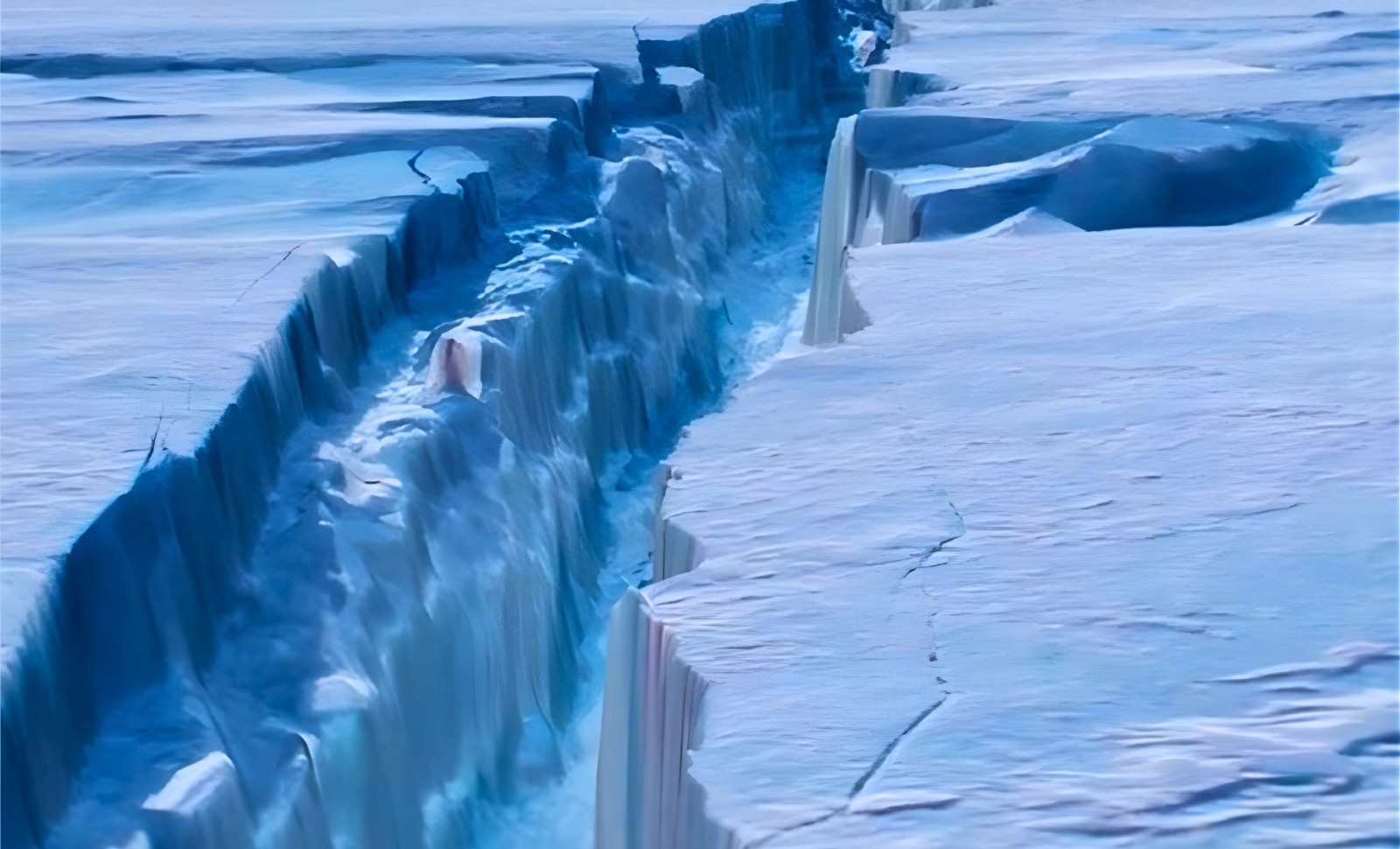
A recent study published in Nature Climate Change reveals that multiple ice drainage basins in Antarctica could already be locked into permanent ice loss due to present-day global warming levels. By identifying temperature thresholds for each basin, the researchers show when ice retreat shifts from a slow decline to an unstoppable process. Some areas of West Antarctica are estimated to be at or beyond these critical limits at roughly 1.2 to 1.3 degrees Celsius above preindustrial temperatures.
It's important to note the findings do not predict an imminent collapse; rather, they quantify when ice retreat becomes a self-sustaining dynamic that persists even if temperatures stabilize. This insight is crucial for predicting future sea level rise because impacts depend not only on total warming but also on crossing tipping points.
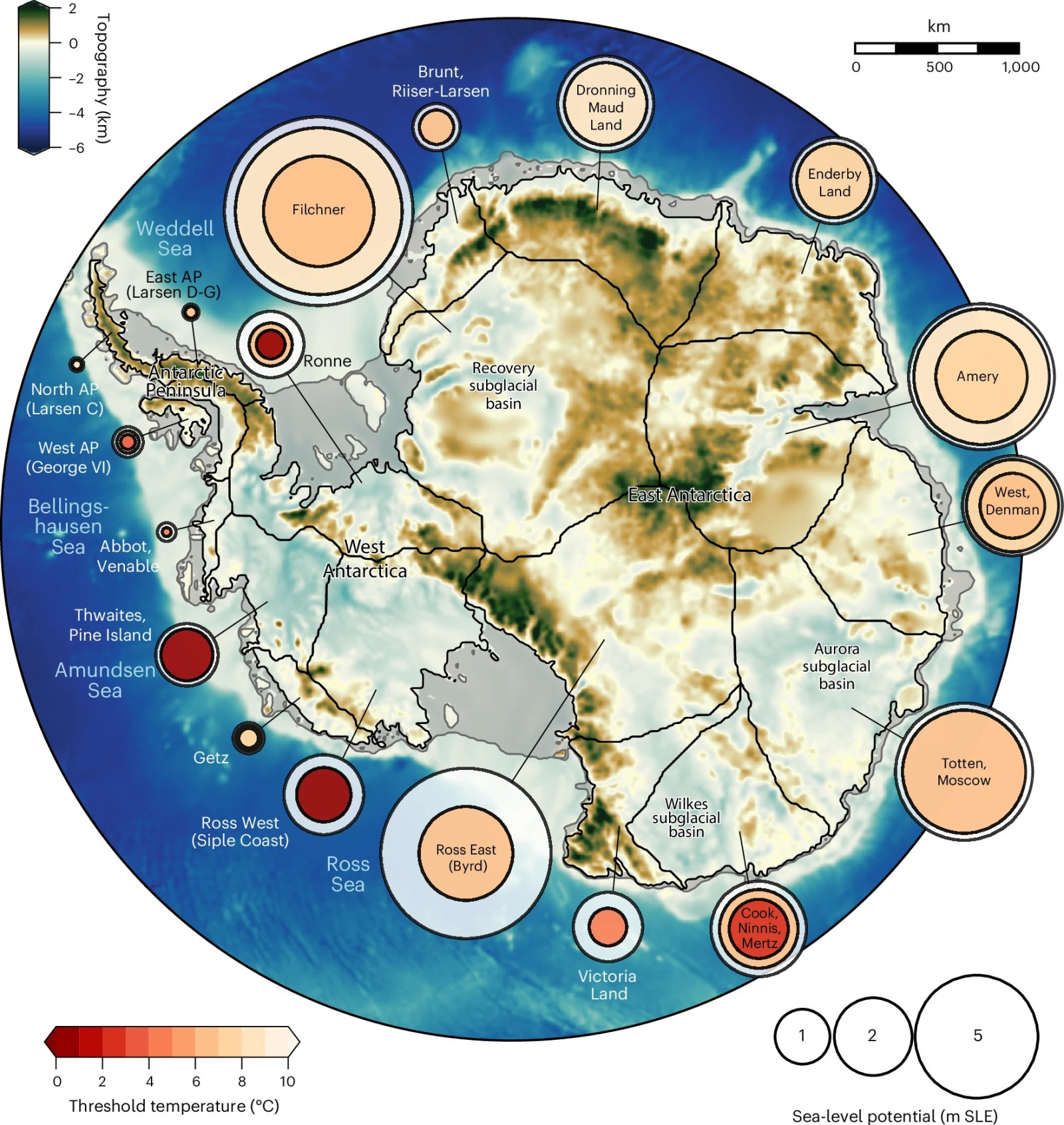
The investigation, led by researchers from the Potsdam Institute for Climate Impact Research and collaborators across Europe, focuses on individual basins instead of treating the entire Antarctic Ice Sheet as a uniform entity. Building upon decades of research into marine ice sheet instability, the team implements a systematic temperature threshold mapping across Antarctica’s major ice catchments.

This work comes amid ongoing mass loss in West Antarctica documented since the early 2000s using satellite gravimetry and altimetry. Data from NASA and ESA confirm that West Antarctic ice melt has significantly contributed to global sea level rise over the last 20 years. The new research investigates whether some sectors have crossed a point of no return irreversible within human timescales.
Identifying Tipping Points in Antarctic Ice Basins
Published in Nature Climate Change, the study finds that each Antarctic basin has unique temperature thresholds triggering irreversible ice retreat. Using ice sheet models informed by paleoclimate records and current observations, simulations explore long-term responses under different warming scenarios.
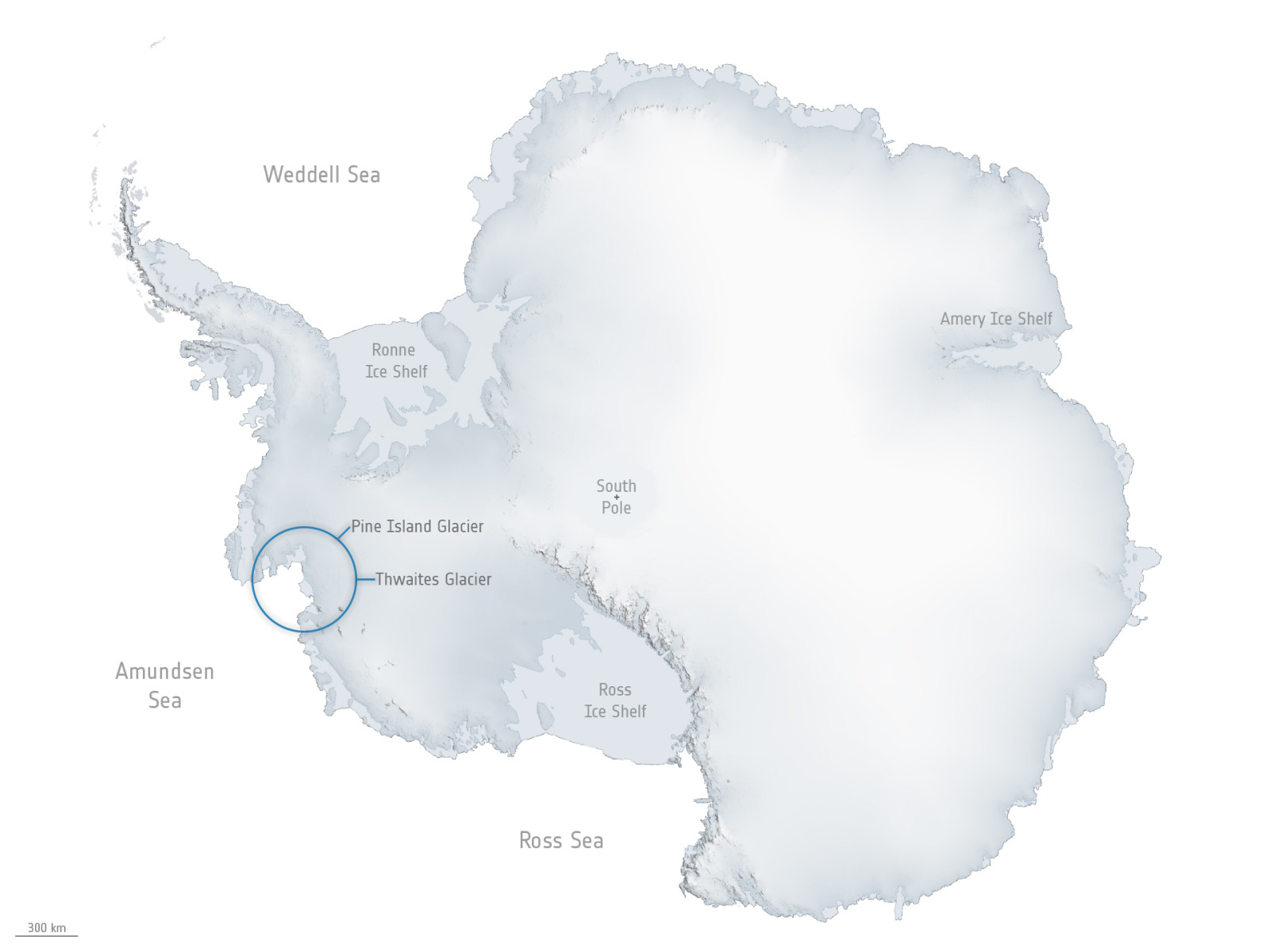
The data show basins draining into the Amundsen Sea, such as the Thwaites Glacier and Pine Island Glacier, exhibit relatively low temperature thresholds for destabilization. Models indicate that continued retreat would occur under persistent warming near present conditions, even if temperatures drop later. This process is tied to the inland-sloping bedrock that intensifies grounding line retreat once triggered.
The researchers term this phenomenon hysteresis, meaning the threshold temperature to start ice retreat is lower than the temperature needed to reverse it. Once grounding lines pass specific topographical points, restoring past ice conditions would require cooling to below preindustrial levels in many cases. While not all West Antarctic basins are confirmed past this tipping point, several key regions show high risk.
East Antarctica exhibits more complex behavior. Some of its sub-basins feature similar threshold dynamics but generally at higher temperature levels compared to West Antarctica. Since East Antarctica holds a much larger ice volume, surpassing its thresholds could have even more significant long-term sea level effects. Currently, most East Antarctic basins are not considered high risk given the present warming.
The modeling incorporates crucial physical processes like grounding line migration, ice shelf support, and ocean-driven basal melting, rather than relying only on surface mass changes. The study highlights ocean heat beneath ice shelves as a key factor in destabilization, consistent with previous observations in the Amundsen Sea region.
Model Limitations, Scientific Debate, and Uncertainties
The researchers employed a reduced complexity ice sheet model ensemble instead of full high-resolution simulations. This approach enables large-scale comparisons but may miss localized feedback effects. They acknowledge uncertainties in parameters such as basal friction and future ocean warming trends that influence threshold estimates.
Previous scientific discussions have debated the stability of Thwaites Glacier and adjacent areas. While some fieldwork suggests ongoing sustained retreat, others note complexities due to ice shelf interactions and variability. This analysis does not settle those debates but offers a temperature-based framework to assess basin vulnerability.
The study emphasizes long-term sea level commitments rather than rapid near-term rises, estimating that crossing these thresholds commits ice basins to multi-century contributions to sea level. This timeline aligns with previous IPCC assessments, marking Antarctic ice dynamics as a major uncertainty in long-range projections.
Finally, the research distinguishes between basins likely already locked into retreat and those with thresholds above current warming, noting that limiting temperature increase to around 1.5 degrees Celsius reduces the number of basins at risk compared to warming of 2 degrees or more.
- Categories:
- Science










0 comments
Sign in to Comment