
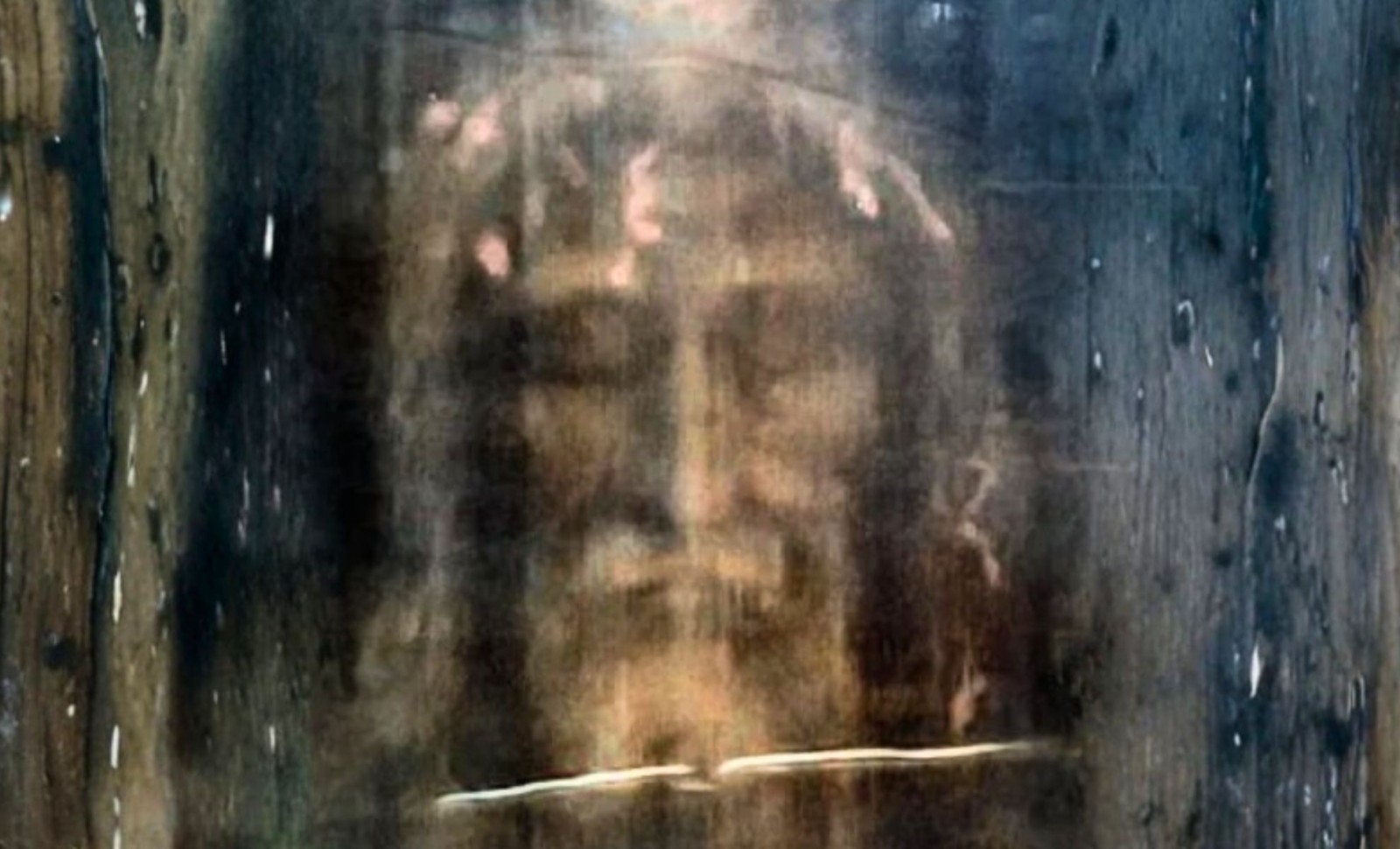
Recent advancements in three-dimensional imaging have reignited discussions surrounding the Shroud of Turin, an ancient piece of linen famously imprinted with the faint outline of a crucified man. While many view it as a tangible relic connected to Jesus of Nazareth, scientists continue to debate its true origins and meaning.
In a new publication in Archaeometry, Brazilian 3D imaging expert Cicero Moraes challenges the prevailing theory that the image arose from contact with an actual human form. Instead, he suggests the markings were created using a low-relief sculpted surface, resembling medieval religious artwork crafted as carved or embossed forms.
This perspective reopens long-standing debates about the Shroud’s formation, despite extensive scientific examination over more than a century. Notably, the 1988 radiocarbon dating placed the cloth within the period of 1260 to 1390 CE, but doubts and alternative interpretations have continually resurfaced.

Computer Simulations Suggest Artisanal Origin Rather than Direct Body Impression
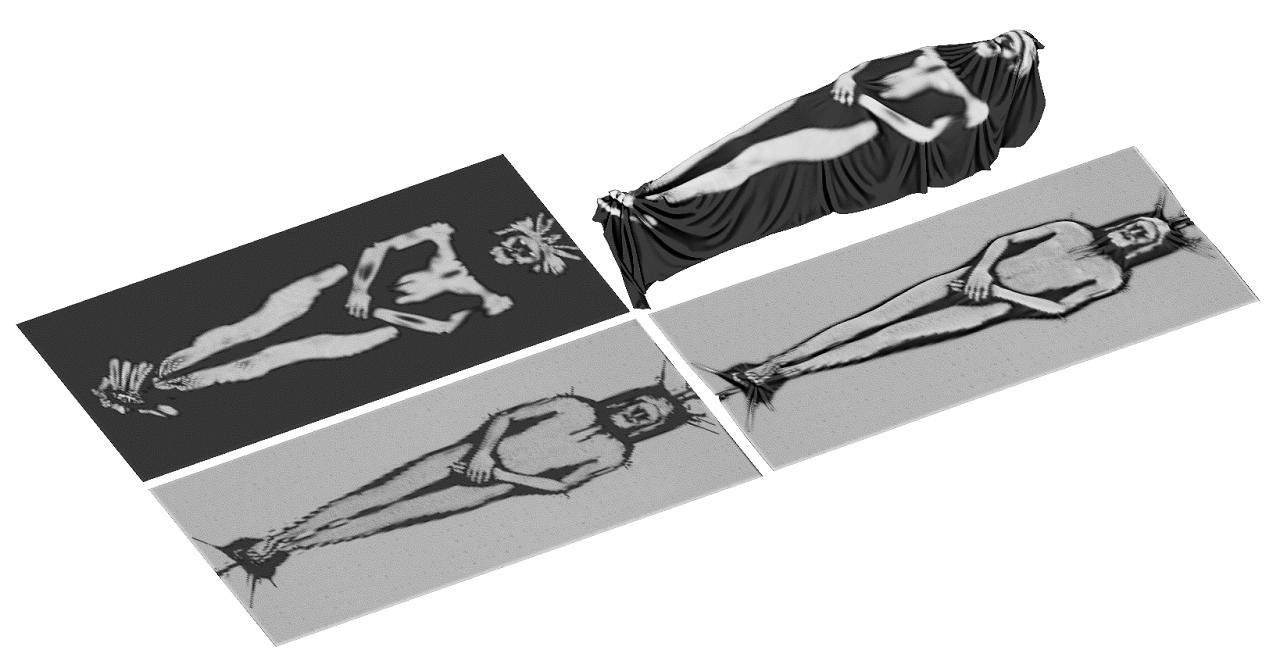
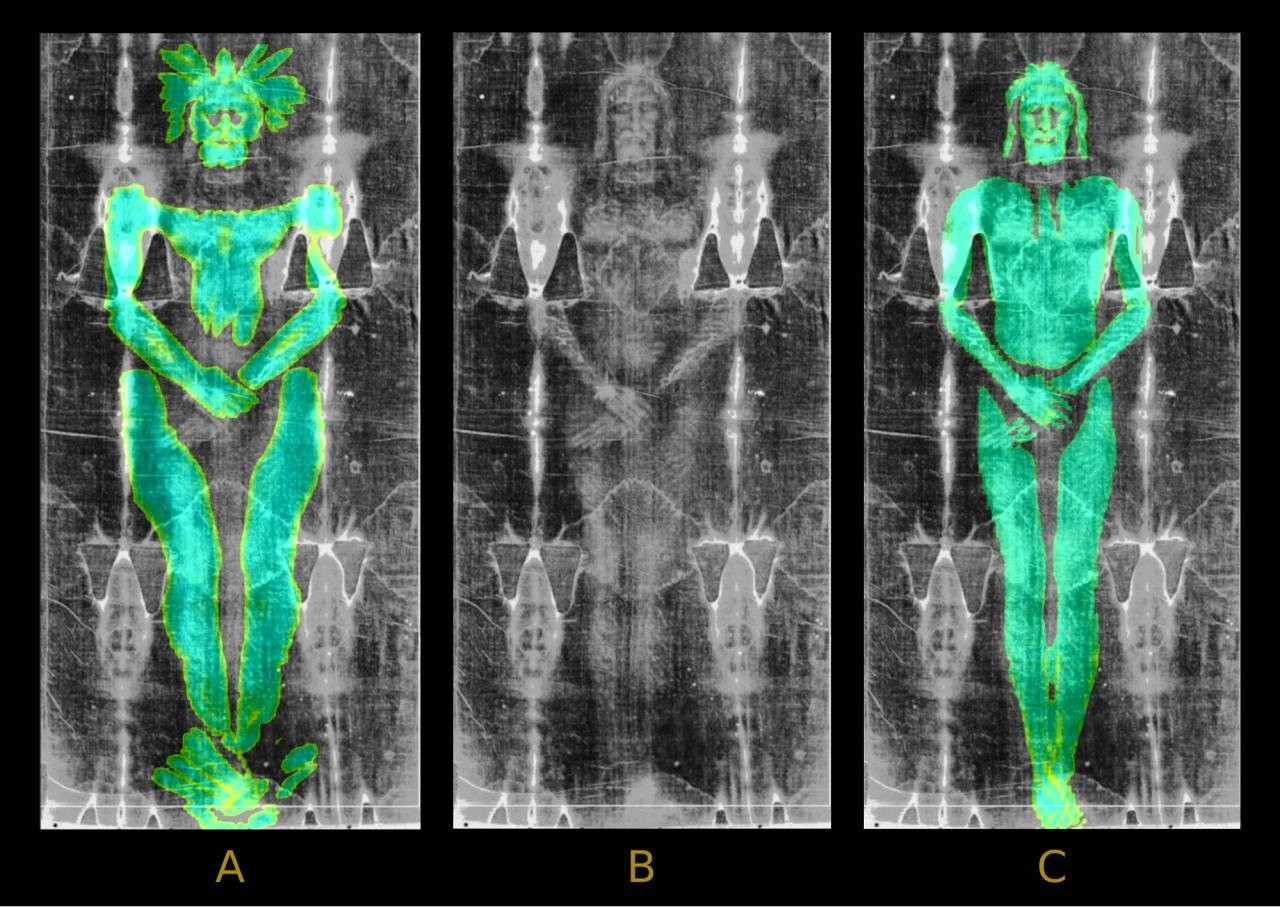
Moraes employed accessible 3D software like MakeHuman, Blender, and CloudCompare to simulate how cloth would conform over both a three-dimensional human figure and a shallow sculpted model. His findings revealed that fabric draped over a volumetric body produced distortions—broader and asymmetric—that don't correspond with the Shroud’s actual image.
He likened these effects to the so-called “Agamemnon Mask effect”, referencing how flattening funeral masks distorts facial features. Conversely, when cloth was simulated over a low-relief carving, the resulting imprint closely matched the Shroud’s proportions.
“The contact pattern generated by the low-relief model is more compatible with the Shroud’s image,” Moraes wrote in the original study. “It shows less anatomical distortion and greater fidelity to the observed contours.”
This evidence bolsters the hypothesis that thermal or pigment transfer from a sculpted surface onto fabric may explain the image, techniques consistent with methods medieval artists used in tomb sculptures and religious iconography.
Disputed Carbon Dating and Advancements in Analytical Techniques
The provenance of the Shroud has long been contentious. Documentation traces its presence back to 1354 in France, under the ownership of Geoffroi de Charny. The artifact was condemned as a counterfeit by the Bishop of Troyes in 1389, but nonetheless gained widespread religious reverence, eventually residing in Turin, Italy, since 1578.
A key scientific milestone occurred in 1988, when samples underwent radiocarbon dating at independent labs in Zurich, Oxford, and Tucson. The results dated the cloth to the 13th or 14th century, aligning with its earliest known historical reference. However, controversy ensued over whether the tested material included newer patchwork, casting doubt on these conclusions.
Groups such as the Shroud of Turin Education and Research Association (STERA) argue that the dated fragments may stem from medieval repairs, although this remains unproven and sustains ongoing skepticism.
More recently, a 2022 investigation used wide-angle X-ray scattering (WAXS) to analyze the linen’s fiber degradation, comparing it against samples of known age. The findings suggested the material was consistent with linen dating from 55 to 74 CE, indicating environmental factors might have influenced prior radiocarbon results, though authenticity remains inconclusive.
The Enigma of the Shroud’s Image Persists
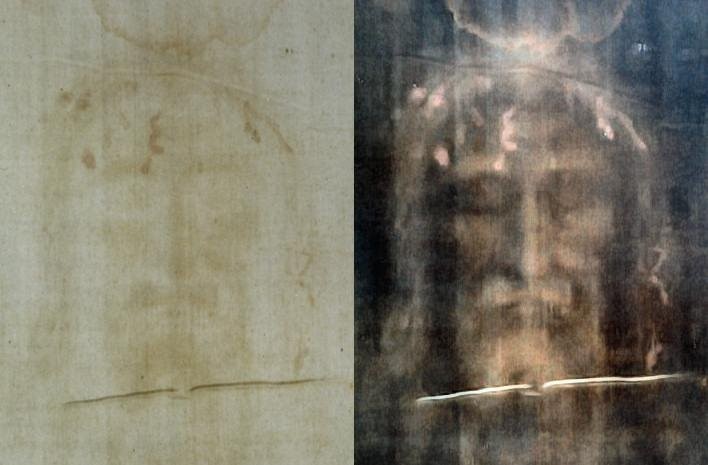
Despite decades of research, the exact cause behind the Shroud’s mysterious image is still undetermined. The 1978 STURP team concluded the image wasn’t created by paint, dyes, or heat, describing it as a shallow discoloration lacking evidence of brush strokes—findings that continue to be central to claims about its authenticity.
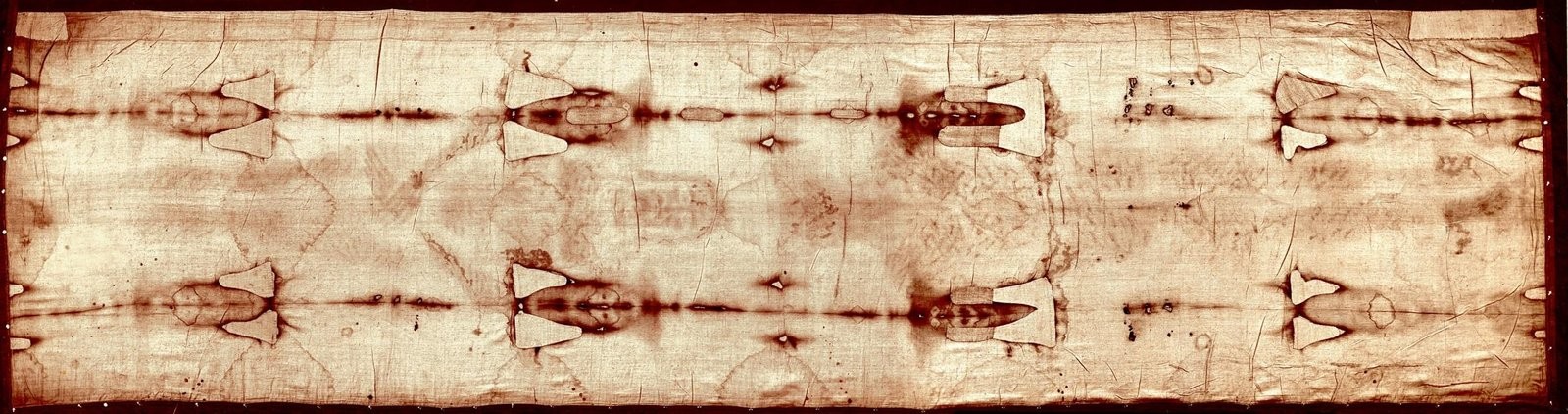
As summarized by the Encyclopaedia Britannica, the linen features markings resembling wounds associated with crucifixion, such as thorn marks, scourge injuries, and blood-like stains. Yet, no single explanation fully accounts for these visual characteristics.
Moraes’ model does not claim to solve every detail but offers a rigorous framework showing that the image conforms well to low-relief sculptural methods, avoiding the anatomical inaccuracies that would be expected if the cloth had been wrapped around a real human body.
- Categories:
- Science










0 comments
Sign in to Comment