
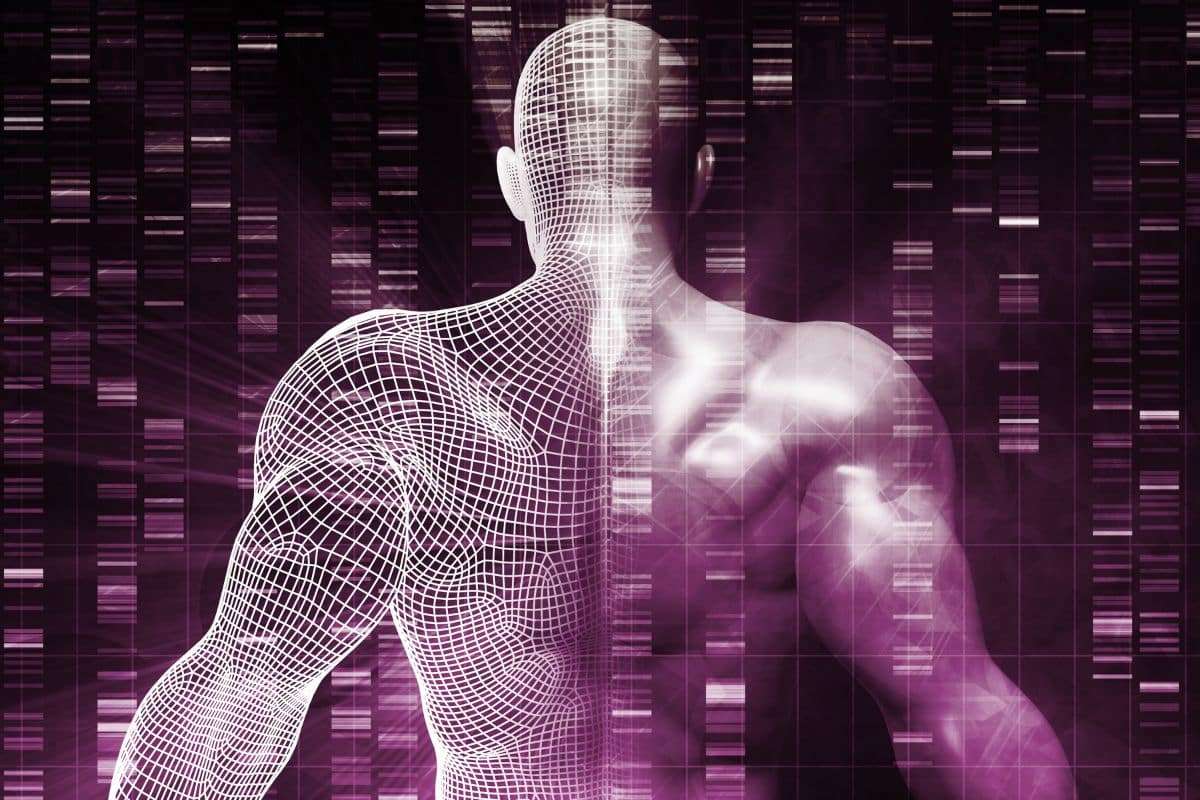
It’s a common notion that our entire human body gets replaced every seven years, but how accurate is this widespread belief? Although cells in our body do regenerate continuously, the process is far more intricate than a neat seven-year timeline. Certain cells are renewed in a matter of days, while others endure for decades or even a lifetime. So, what is the source of this misconception, and what does scientific research reveal about the body's renewal patterns?
Tracing the Roots of the Seven-Year Renewal Idea
The idea that the entire human body replaces its cells within a seven-year span seems to originate from a 2005 study that employed carbon dating techniques to determine cell lifespans. This study inferred that on average, cells might have lifespans between seven and ten years. Yet, this doesn’t imply a synchronized cycle where the entire body rejuvenates all at once.
If every cell in the body shared the same lifespan and were replaced simultaneously, then the seven-year concept might hold merit. In reality, however, cell renewal rates vary widely, differing greatly among cell types.

The Complex Mosaic of Cellular Renewal
Our bodies consist of vastly different cell types, each with unique roles and lifespans. Some are replaced extremely rapidly, while others persist for entire lifetimes. Key examples include:
- Skin cells: The epidermis—the skin’s outermost layer—sheds and renews itself completely every 2 to 4 weeks.
- Stomach lining cells: Cells that create protective mucus inside the stomach regenerate approximately every 10 days, due to constant exposure to harsh digestive acids.
- Red blood cells: Carrying oxygen, red blood cells survive for about 120 days before being replaced. Blood cells represent a substantial fraction of the body’s daily cell turnover.
- Liver cells: With remarkable regenerative capacity, liver cells replace themselves roughly every 300 to 500 days.
- Bone cells: Bone tissue continuously remodels, taking around 10 years to complete full regeneration.
- Brain cells (neurons): Neurons in the central nervous system—the brain and spinal cord—are largely non-regenerative. Once lost, these cells typically do not come back, highlighting the severity of neural injuries.
The Scale of Cellular Turnover
While the human body doesn’t overhaul itself uniformly every seven years, its cells are in a state of continuous flux. Experts estimate that approximately 330 billion cells are replaced daily, representing about 1 percent of total cells at any given moment.
Nevertheless, many organs including the heart and brain preserve substantial populations of original cells that can last for decades or a lifetime. Conversely, tissues like the gut lining and skin regenerate frequently, sometimes multiple times within a single year.
Importance of Cell Renewal
This ongoing renewal process is vital for healing, growth, and upkeep of bodily functions. Over time, damage from aging, environmental toxins, diseases, and other factors accumulates. By replacing aged or impaired cells with fresh ones, the body sustains its health and repairs itself.
However, regeneration tends to slow with age. Factors like DNA damage, diminished stem cell activity, and oxidative stress contribute to reduced cell renewal, thereby playing a role in the aging process and increased susceptibility to disease. This explains why older individuals often experience slower recovery from injuries.
Exploring Ways to Boost Regeneration
Recognizing the significance of cellular renewal for vitality and longevity, researchers are investigating methods to enhance cell turnover. Some promising developments include:
- Stem cell therapies: These focus on harnessing stem cells—our body’s foundational regenerative units—to heal damaged tissues or potentially grow new organs.
- Nutritional and lifestyle factors: Nutrients such as antioxidants, omega-3 fatty acids, and amino acids promote cell health. Regular physical activity has been linked to increased formation of new cells, particularly in neural tissue.
- Medical innovations: Advances like gene editing using CRISPR and regenerative medicine hold the potential to slow aging or even regenerate lost tissue on demand in the future.
Examining the Seven-Year Renewal Claim
So, does the human body truly regenerate itself every seven years? The answer is no. Although many cells are constantly replaced, the concept that every single cell is renewed in a uniform seven-year timeframe is an oversimplification. Different types of cells regenerate at varying speeds, while some—such as neurons—hardly renew at all.
Our bodies are in a continual process of renewal, but at varied rates depending on cell function and type. Rather than acquiring a “new body” every seven years, it’s more accurate to understand that we exist in a constant state of gradual cellular replacement—some parts renewing rapidly, others persisting over a lifetime.
In essence, while not completely new every seven years, our bodies are tirelessly working to rejuvenate and heal themselves continuously, piece by piece.
- Categories:
- Science











0 comments
Sign in to Comment