
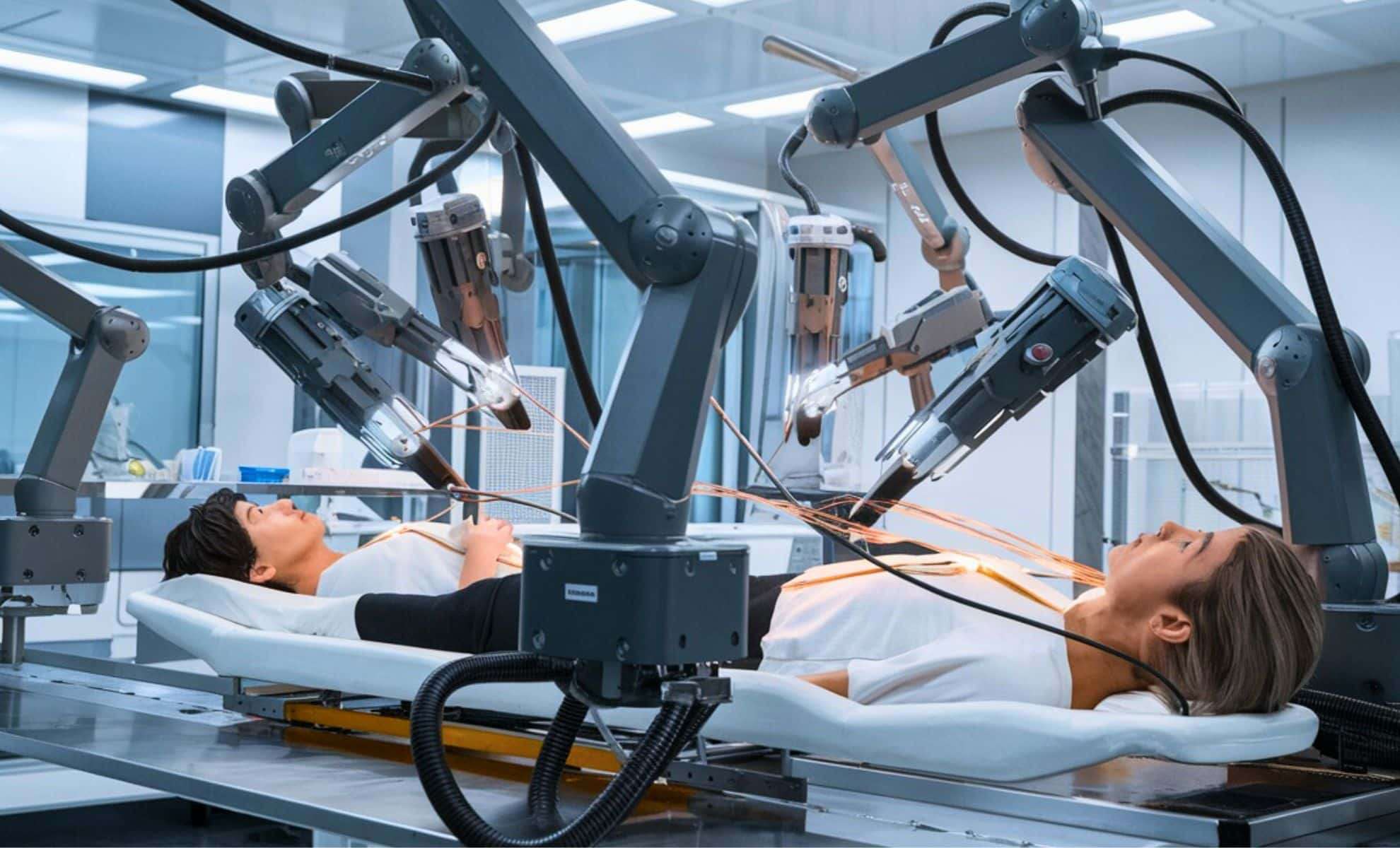
BrainBridge represents a visionary initiative that merges cutting-edge science with imaginative concepts traditionally found in science fiction. Utilizing breakthroughs in artificial intelligence and robotics, this initiative introduces an extraordinary idea: enabling patients to effectively transfer their consciousness by undergoing a head transplant—a procedure not yet realized in modern medicine.
Guided by Hashem Al-Ghaili, BrainBridge aims to revolutionize medical treatment by providing hope for patients afflicted with paralysis, cancer, or neurodegenerative disorders. Nonetheless, this project remains conceptual and brings up important questions regarding the practicality of such advanced medical interventions.
Understanding the BrainBridge Concept
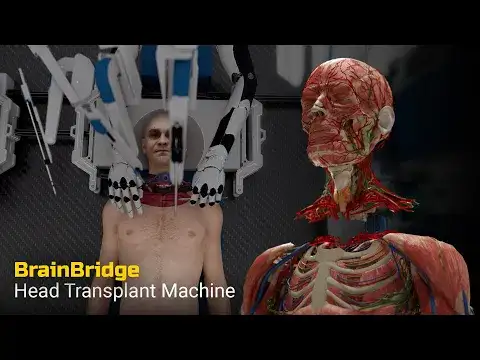
The BrainBridge idea revolves around a device designed to conduct complex head transplant operations. This delicate procedure would entail replacing a patient’s existing body with that of a donor who has been declared brain-dead. Both subjects would be cooled down to 5 °C and treated with an artificial plasma solution before detaching and reattaching the heads onto new bodies.

The system incorporates sophisticated artificial intelligence to map and fine-tune neural and muscular linkages, promoting successful nerve reconnection. Additionally, a specialized implant is positioned at the spinal cord’s base to encourage the growth of new neural pathways.
Built on Emerging Technological Foundations
The technologies for BrainBridge are largely futuristic and remain under development. The concept draws inspiration from the Neuralink implant, which is still being refined and is not yet ready for clinical application. Interfaces that connect brains to machines are mostly experimental and confined to early-stage scientific studies. Moreover, head transplants have never been successfully performed on living humans, though some experimental evaluations have occurred on cadavers.
Examining the Practical Challenges
Despite its promise, BrainBridge underscores profound technological barriers. The concept of head transplants is a controversial topic within neurosurgery. Neurosurgeon Sergio Canavero proposed the feasibility of such surgeries back in 2017, but has yet to provide conclusive evidence that these procedures can succeed on living patients. While limited trials on cadavers have been done, transplanting a live head poses extraordinary medical obstacles.
Prospects and Ethical Considerations
The potential advantages of BrainBridge could drastically change medical treatments by potentially saving lives. However, many ethical dilemmas and medical challenges must be resolved before such approaches become viable. Achieving success in head transplants would involve navigating significant technical challenges, especially those related to nerve regeneration and minimizing immune system rejection.
Ultimately, while BrainBridge, championed by Hashem Al-Ghaili, is an inspiring theoretical concept, it remains far from clinical implementation. The innovations suggested might sound like ideas from a science fiction narrative, but there is a substantial journey ahead before they become practical healthcare solutions. For now, the project continues to spark valuable discussions about the intersection of future medicine and emerging technologies.
















0 comments
Sign in to Comment