
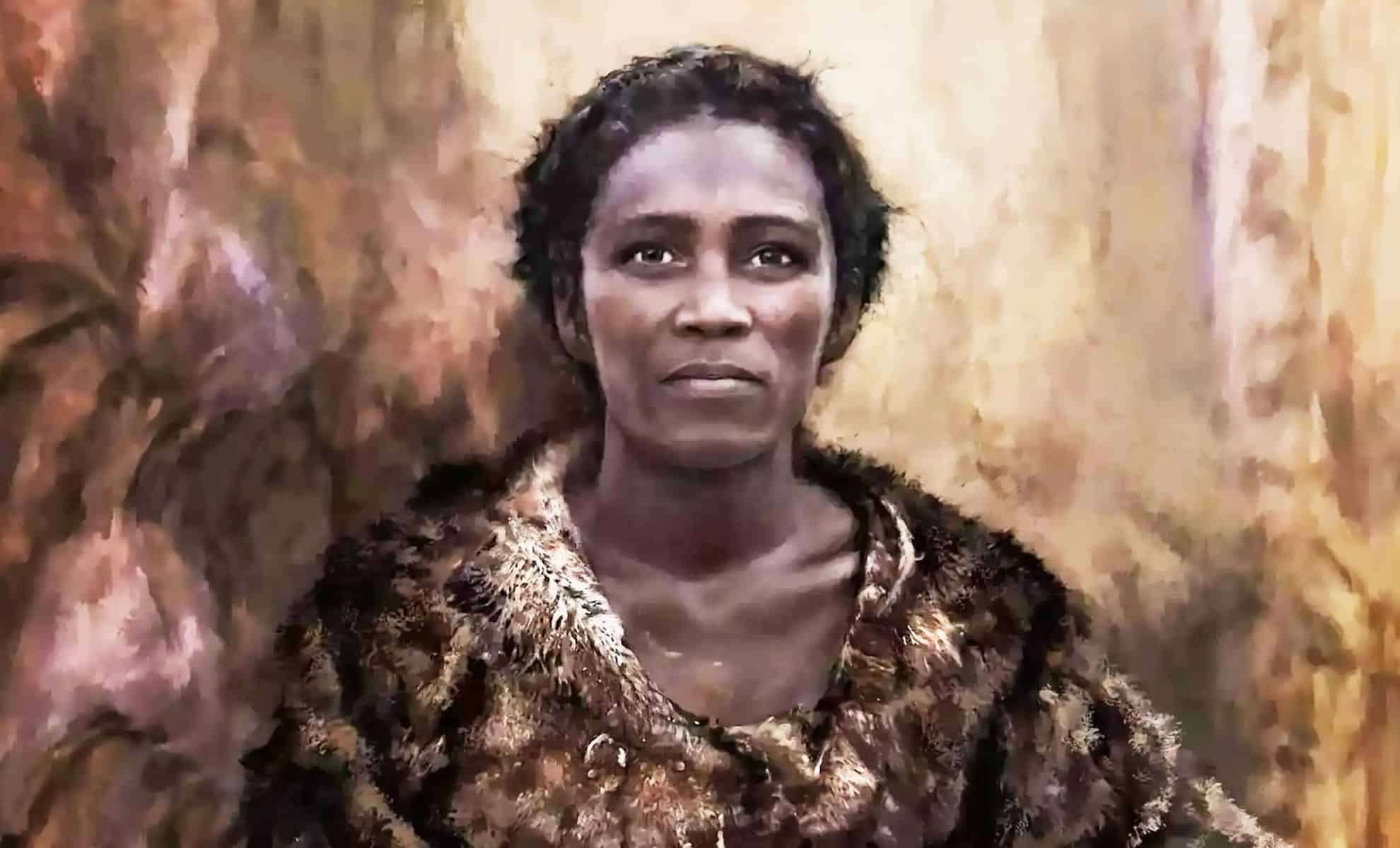
New research featured in Nature illuminates the genetic ties and migration habits of early modern humans and Neanderthals across Europe. The investigation, spearheaded by experts at the Max Planck Institute for Evolutionary Anthropology, zeroes in on two notable archaeological sites: Zlatý kůň in Czechia and Ranis in Germany.
Shared Ancestry Between Zlatý Kůň and Ranis Populations
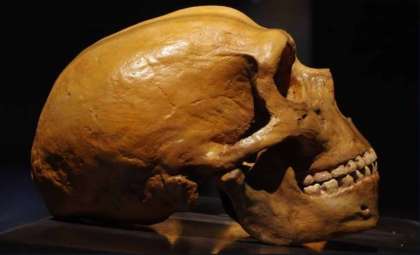
At the Zlatý kůň location in central Czechia, scientists uncovered a human skull dating back approximately 45,000 years. DNA sequencingindicated this individual belonged to a small group of early modern humans who likely traversed Europe’s vast steppe environments. Meanwhile, the Ranis site in Thuringia, Germany, yielded 13 bone fragments originally connected with tools from the Lincombian-Ranisian-Jerzmanowician (LRJ) cultural tradition. Further nuclear DNA analyses identified at least six people, including a mother and daughter.
Crucial genetic insights from this research include:

- A fifth- or sixth-degree genetic connection between Zlatý kůň and two individuals from Ranis.
- Both groups represent a distinctive lineage that branched off soon after humans left Africa.
- Population sizes were small, likely comprising just a few hundred people spread over broad regions.
These findings not only connect these two prehistoric populations but also emphasize the widespread mobility and interconnectedness of early modern humans across Europe.
African Roots and Unique Characteristics
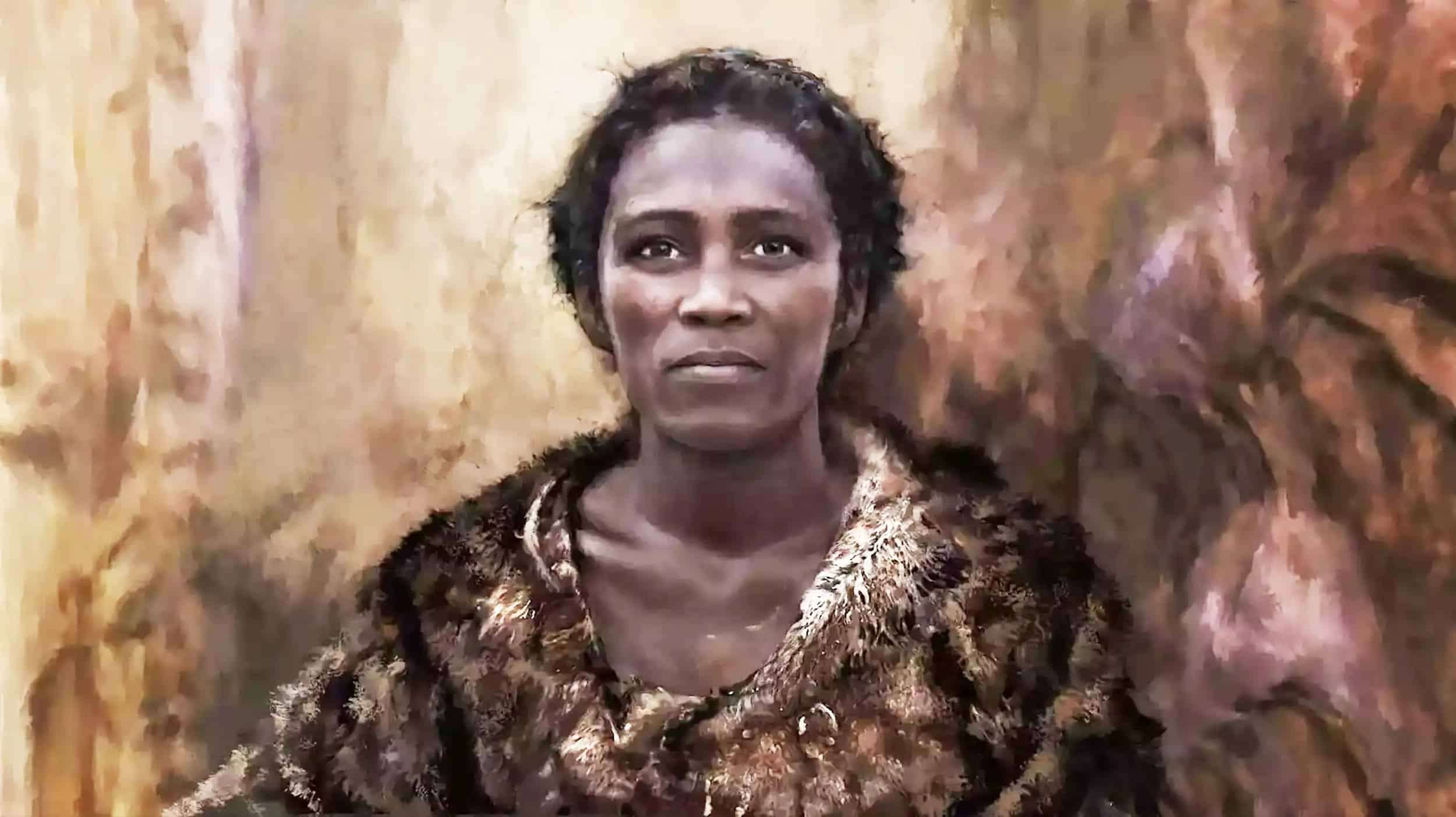
The genomes of the Zlatý kůň and Ranis groups reflect their recent African origins, featuring traits like dark skin, dark hair, and brown eyes. Despite their similarities and habitation in Europe, these populations left no genetic footprint in later European or global descendants. They belong to an early-diverging branch of modern humans that separated shortly after the out-of-Africa migration.
Johannes Krause, a senior author involved, explained, “These findings deepen our knowledge of the first migrants into Europe. They also suggest that modern human remains older than 50,000 years found outside Africa are unlikely to belong to the common non-African lineage that later mixed with Neanderthals and is widespread today.”
Neanderthal Encounters and Genetic Exchange
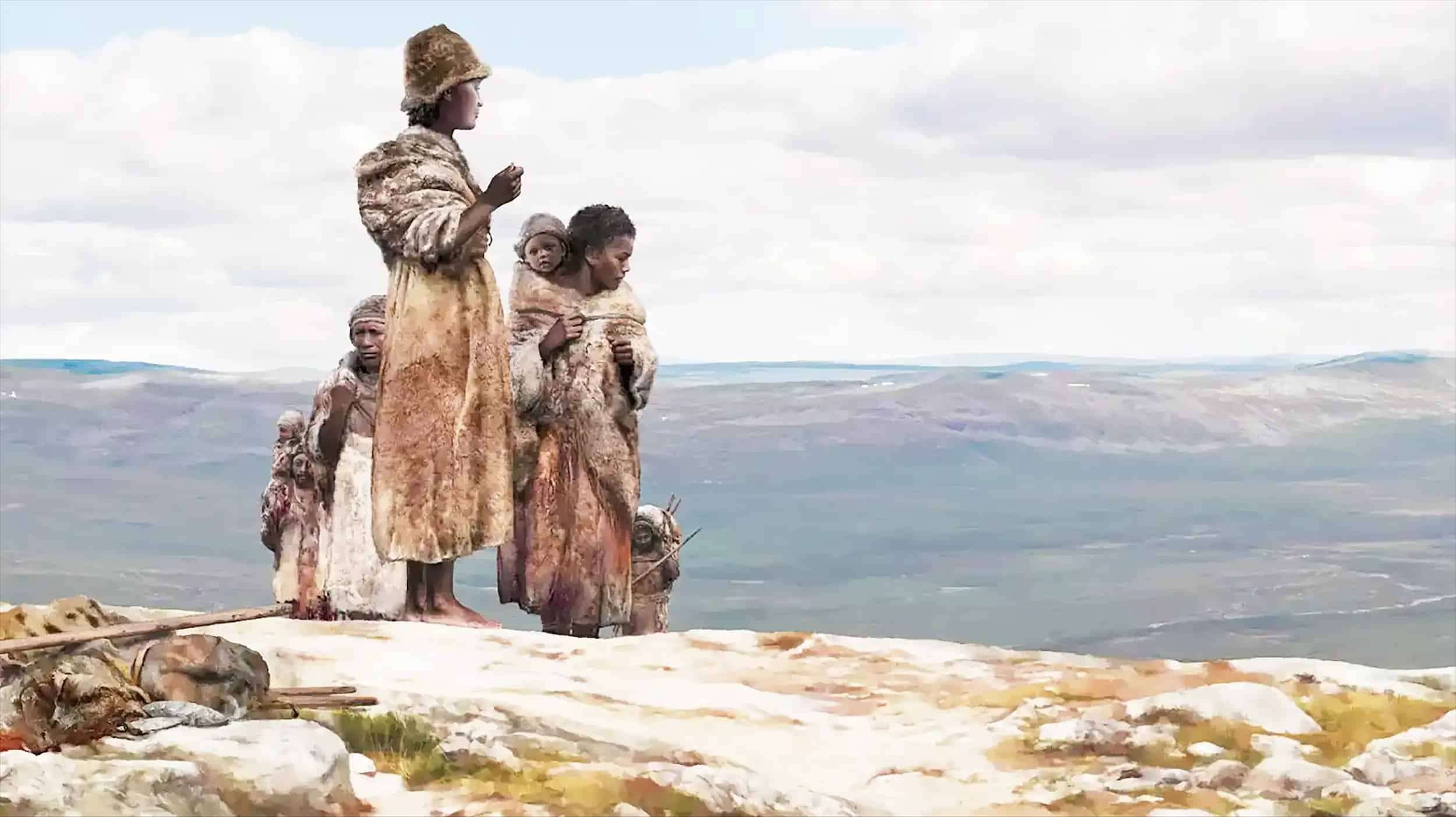
Unlike other early European populations, Zlatý kůň and Ranis individuals show no recent Neanderthal genetic influence. This suggests their migration paths or settlement areas might have been isolated from heavy Neanderthal contact.
However, traces of earlier Neanderthal ancestry were present, indicating a hybridization event between 45,000 and 49,000 years ago. This predates their arrival in Europe and helps chart the timeline of human-Neanderthal interbreeding during human migration.
Below is a timeline of key moments in the interactions between humans and Neanderthals:
Technological Innovations and Migration Patterns
The LRJ stone tools discovered at Ranis reveal an advanced degree of craftsmanship, but the identity of their makers was unclear until now. The study’s findings attribute these tools to modern humans linked to the Zlatý kůň and Ranis groups, shedding light on their cultural sophistication. This also prompts reevaluation of their migration corridors and reasons behind their eventual disappearance from the human lineage.
Genetic evidence suggests the Zlatý kůň/Ranis populations were small, numbering only a few hundred individuals dispersed over extensive areas. Despite their early presence, their genetic influence vanished, possibly due to competition, environmental shifts, or unknown factors.
This investigation by the Max Planck Institute provides comprehensive insight into Europe’s earliest modern humans, revealing the rich complexity of their migrations and interactions with Neanderthals.







0 comments
Sign in to Comment