
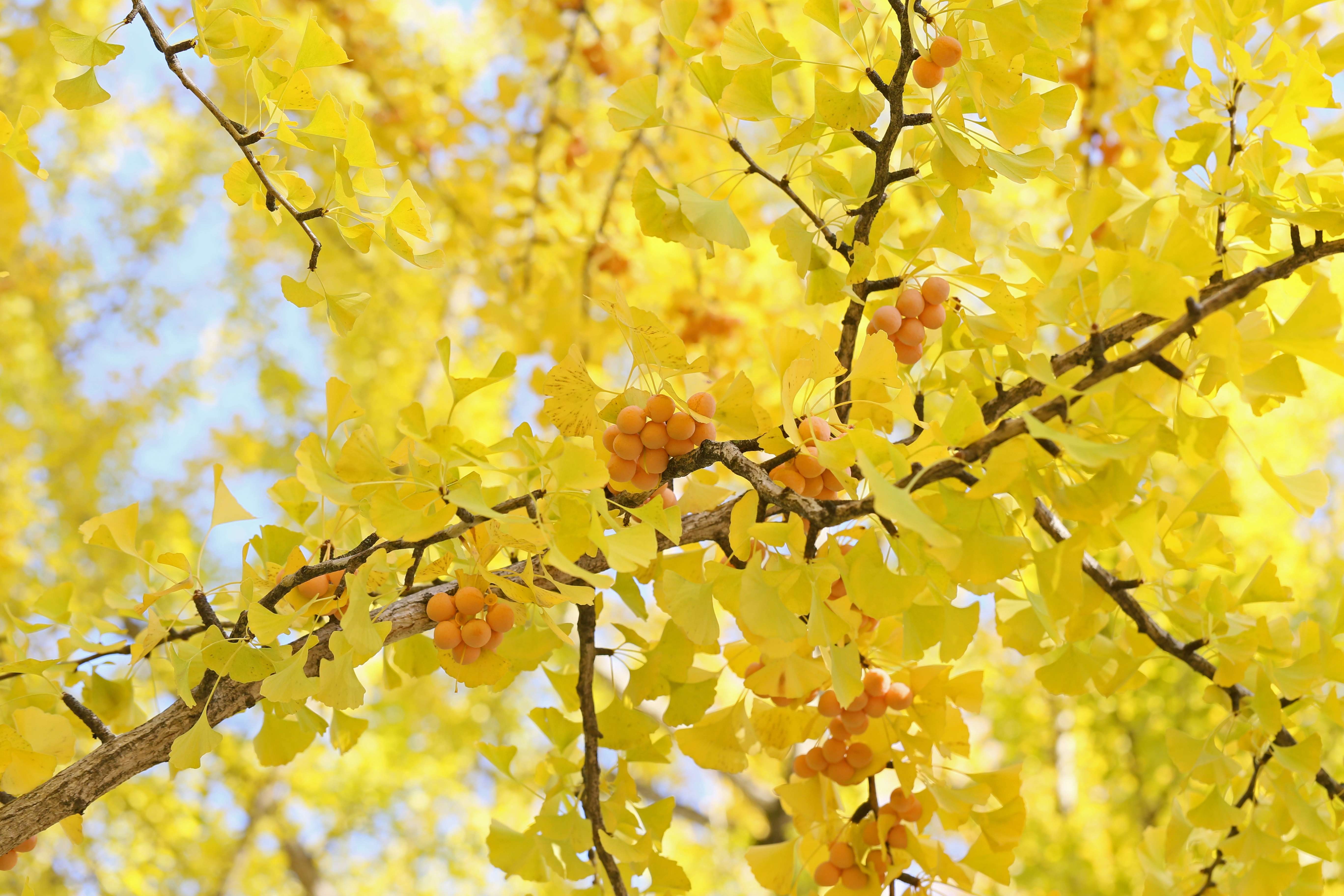
Ginkgo biloba stands as the lone representative of the ancient Ginkgoales order, with origins tracing back an extraordinary 270 million years. Its unique fan-shaped leaves, marked by a distinctive two-lobed form and characteristic vein pattern, make it easily identifiable. These leaf traits have changed little since ancient fossil records, giving the impression that the species has remained virtually unchanged through geological time.
Though often called a “living fossil,” this label is misleading. Instead, the term “panchronic” better describes the ginkgo’s slow and subtle evolutionary shifts. The tree’s adaptations are not obvious but demonstrate resilience and continuity, captivating evolutionary scientists interested in mechanisms of survival and adaptation across eras.
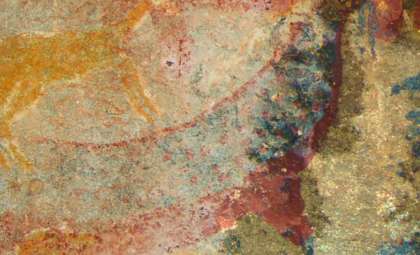
Notably, prehistoric rock art from the Amazon has exposed extinct species predating their scientific discovery by 2,000 years, reminding us how ancient life forms enrich our grasp of evolution.

Remarkable durability and lifespan
Ginkgo’s tough nature is well documented. It exhibits strong resistance to diseases, environmental pollutants, and even radiation exposure. This durability contributes to its impressive lifespan, with many trees living beyond a millennium in natural settings. Yet, ginkgo’s longevity is shared by other notable trees:
- Oak trees, some living for thousands of years
- Olive trees boasting lives that span millennia
- Bristlecone pines, the oldest known trees, with ages exceeding 5,800 years
Survivors of Hiroshima’s atomic bombing in 1945 include ginkgo trees, famously enduring the devastation and regrowing. However, about 20 additional species, such as ailanthus, willow, and eucalyptus, also showed extraordinary resilience following this historic catastrophe.
Distinctive reproductive methods
One of the ginkgo’s most intriguing features lies in its unusual reproductive biology. Unlike many trees, ginkgo is dioecious, meaning individual trees are either male or female, a trait found in just about 6% of flowering plants.
Female ginkgos produce sizeable, fleshy yellow structures resembling fruit but actually constitute exposed ovules. These ovules contain stored nutrients similar to bird eggs, supporting early development before fertilization. This energy-intensive method results in many unfertilized ovules falling off and decomposing, which enriches the soil beneath the tree.
Male ginko trees generate small catkin-like clusters that discharge pollen. Ginkgo fertilization shows a rare and primitive process akin to algae, including the following:
This method, known as zooidogamy, is highly uncommon in current seed plants and reflects an ancestral aquatic characteristic. It highlights the evolutionary transition from aquatic to terrestrial life in the plant kingdom.
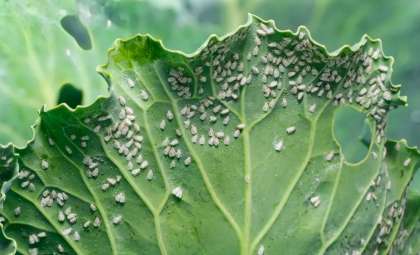
Thanks to its unique reproductive system and status as a living relic, the ginkgo is a crucial model for tracing plant evolutionary history. Similar to rare fossil discoveries revealing whitefly leaf adaptations, the ginkgo sheds light on how plant reproductive strategies have developed over millions of years.
A living window into Earth's history
The ginkgo tree connects us to ancient ecosystems, providing valuable evidence of Earth’s evolutionary past. Its persistence through multiple mass extinctions, combined with an ability to thrive in urban environments today, attests to its extraordinary adaptability. Continued scientific exploration of this species enhances our understanding of life's complexity and durability on our planet.
From its signature leaves to its archaic reproductive traits, ginkgo fascinates botanists, paleontologists, and nature lovers alike. As humanity confronts growing environmental pressures, insights gleaned from this ancient tree could be vital for conserving global biodiversity moving forward.
- Categories:
- Evolution







0 comments
Sign in to Comment