
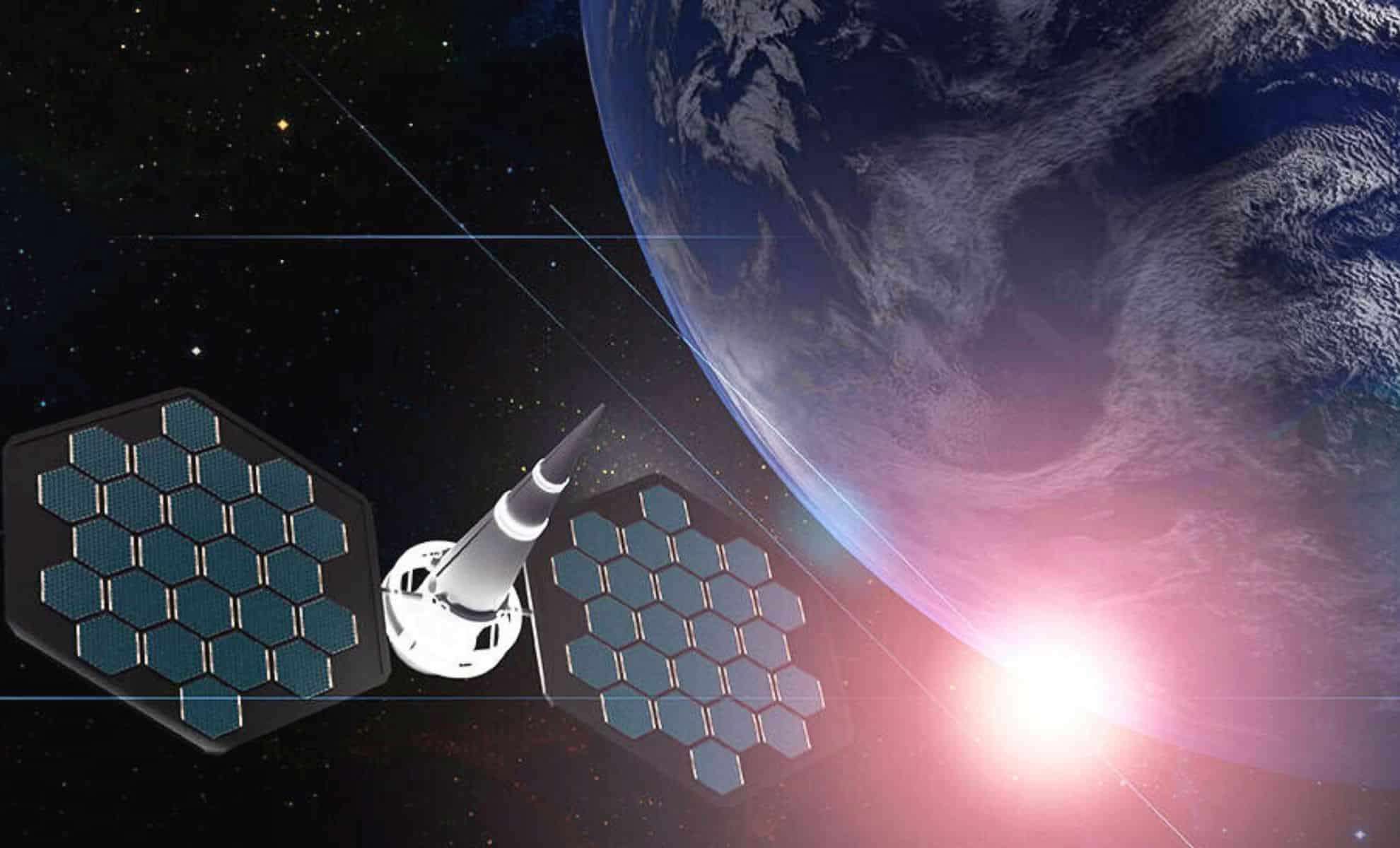
Could solar power generated directly in space offer a breakthrough for the world’s energy demands? Space-based solar power (SBSP) proposes capturing sunlight beyond Earth’s atmosphere and sending it down as microwave energy, providing a steady and abundant energy supply without the interruptions caused by weather or night.
Though SBSP promises remarkable benefits, questions about its expense, technical viability, and real-world application remain. Is it an achievable solution or an overambitious concept?
Unleashing Continuous Power from Orbit
Unlike traditional solar panels that rely on clear skies and daylight, SBSP benefits from constant sunlight in space. Panels positioned in orbit can generate up to 13 times the energy of those on the ground since they avoid nighttime and cloud-related losses.

Supporters highlight that SBSP could supply continuous base power around the clock, eliminating dependence on fossil fuel backups. Additionally, the system’s scalability would enable clean energy to be shared worldwide without relying on costly transmission infrastructures. Research from Imperial College London suggests integrating 8 GW of space-based solar power could save the UK more than £4 billion every year.
Key technical highlights include:
- Energy yield: Producing as much as 13 times more energy per area than terrestrial panels.
- Operational lifespan: Satellites expected to function effectively for 25 to 30 years due to advancements in space hardware.
- Microwave frequency: Using approximately 2.45 GHz for safe and efficient transmission.
- Ground-level power density: Designed to remain under 250 W/m², akin to natural sunlight.
- Launch cost target: Aiming for $100 per kilogram with reusable launchers like SpaceX’s Starship by 2040.
- Thermal regulation: Utilizing passive radiative cooling to manage heat.
- Grid compatibility: Ability to adjust output smoothly to complement existing renewable energy sources.
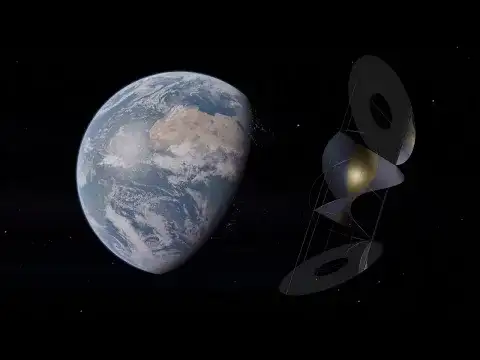
Debating SBSP’s Future: Doubts and Optimism
Some experts, including those from NASA’s Office of Technology, Policy and Strategy, doubt SBSP’s economic competitiveness given the falling costs of terrestrial renewables. Their analysis assumes shorter satellite lifespans around 10 years and launch expenses near $1500 per kilogram, which increases the projected cost.
However, advocates argue these estimates are too cautious, citing forecasts that bring launch costs down to $100 per kilogram by 2040. Engineers like retired ESA veteran Henri Barde express concerns about thermal control and managing large power scales, yet companies such as Space Solar are actively innovating solutions.
Space Solar’s Advanced Cassiopeia Satellite
The CASSIOPeiA satellite epitomizes the forefront of SBSP technology with features like:
UK’s Pioneering Role in Space Solar
The United Kingdom is positioned to be a global frontrunner in developing SBSP technologies. Space Solar’s record-setting power-to-weight ratios and demonstrated microwave power transmission have paved the way for commercial launches by 2029, with an initial 30 MW output delivered by a single Starship rocket. Ambitions include rapidly increasing capacity to gigawatt levels.
Despite skepticism labeling SBSP as overly optimistic, history suggests that major innovations like reusable rockets and CubeSats started as bold ideas. Many believe SBSP will follow this trajectory.
Investing in the Energy Horizon
Beyond being a clean energy alternative, SBSP represents a leap forward in tech and international cooperation. As the climate crisis intensifies and nations seek energy autonomy, this technology offers a unique path to revolutionize power generation.
Backing SBSP today catalyzes progress in wireless energy transmission, advanced space robotics, and next-generation photovoltaics. While challenges exist, champions argue that pursuing SBSP is a “no-regrets” approach that could reshape the future of energy for decades ahead.
The time is ripe to look skyward and unlock the vast renewable energy potential orbiting Earth.
- Categories:
- Science ,
- Science ,
- Climate change ,
- Climate change











0 comments
Sign in to Comment