

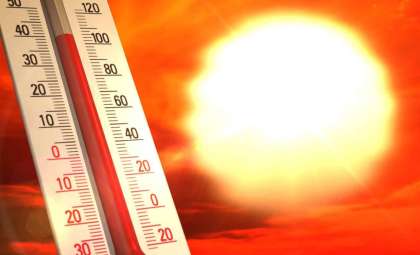
According to a recent assessment by the National Oceanic and Atmospheric Administration (NOAA), July 2024 has now become the 14th consecutive month to break global heat records, establishing a new benchmark for sustained warmth. However, these statistics are more than just data points—they underscore an accelerating trend of climate change with potentially dire outcomes.
Tracing the Origins of the Heatwave Trend
While history has seen extended periods of elevated temperatures, none rival the intensity and duration of the current heat surge. NOAA experts note that the previous closest period was from May 2015 through May 2016, when 12 months of record-high temperatures were recorded, coinciding with an El Niño episode—a natural climate cycle known to increase global heat.
What’s particularly worrying is that the El Niño phase concluded in May 2024, yet global temperatures have remained persistently high. This persistence highlights the dominant influence of anthropogenic climate influences that continue to push the planet’s thermostat upward, indicating a potentially unstoppable warming trajectory.

Will the Intense Heat Persist?
Prospects for milder conditions this fall hinge on the possible emergence of La Niña, a climatic pattern that usually tempers global temperatures. Nevertheless, the relentless stretch of record-breaking warmth may still extend, as July 2024 surpassed last year’s July record by a narrow margin of just 0.03°C, a slim difference that keeps future outcomes uncertain.
NOAA climatologist Karin Gleason likens the current scenario to being on an ‘‘upward escalator’’ of heat, where temporary natural variations like El Niño and La Niña only cause minor fluctuations. Overall, global temperatures are climbing steadily, and another stretch of record highs is inevitable—it’s only a question of timing and how extreme the new peaks might become.
Are We Beyond a Climate Tipping Point?
A pressing concern is whether the planet has already exceeded a critical limit from which recovery is no longer possible. While Gleason offers cautious hope, denying the existence of any single ‘‘magic number’’ in temperature increases, she stresses the crucial importance of limiting warming by even the smallest margins. Efforts to reduce emissions and curb climate change still hold value, though delay will make reversing the damage exponentially more difficult.
The global community faces an unprecedented challenge — the choices we make now will shape Earth’s climate destiny for the foreseeable future.
- Categories:
- Climate change











0 comments
Sign in to Comment