
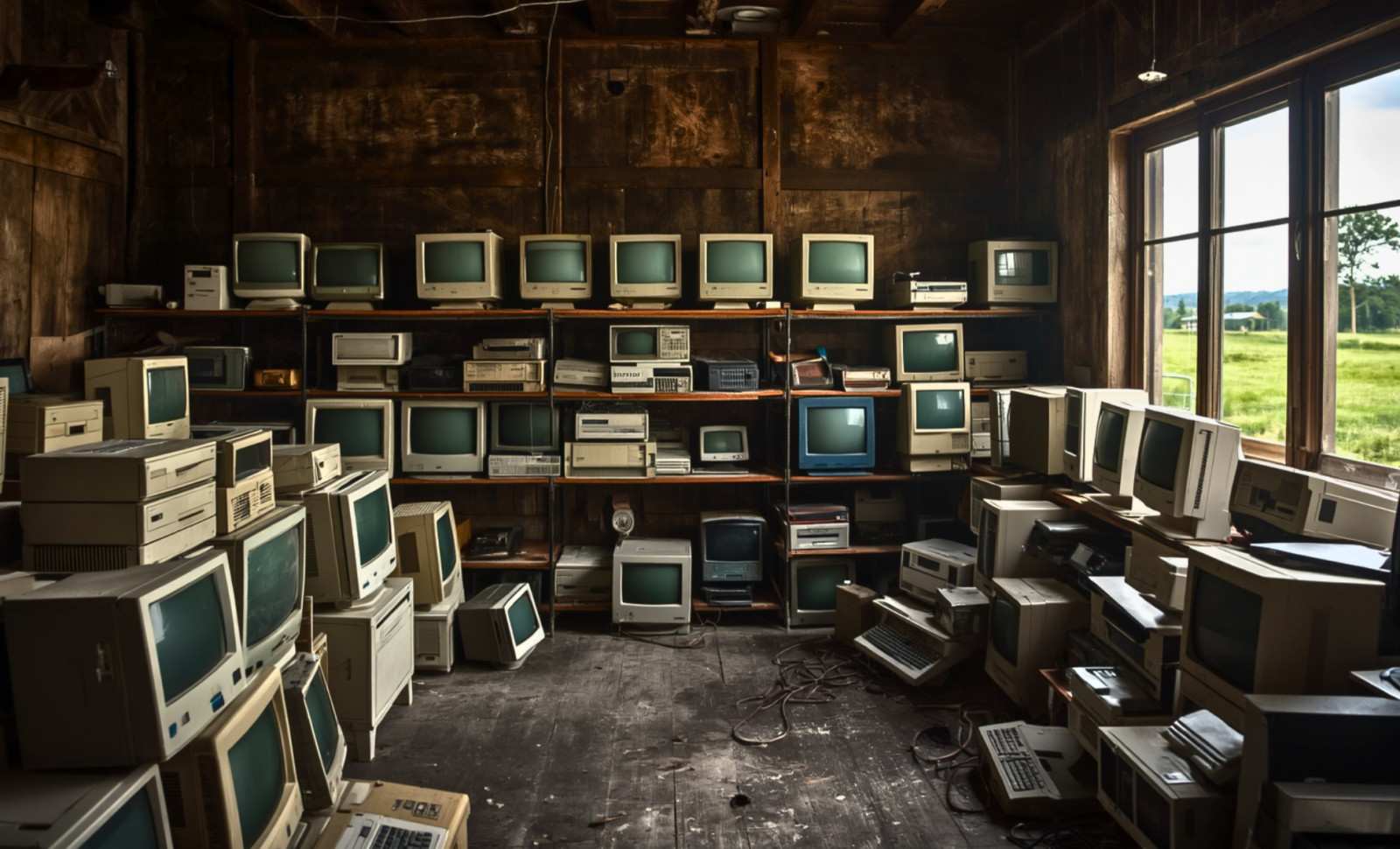
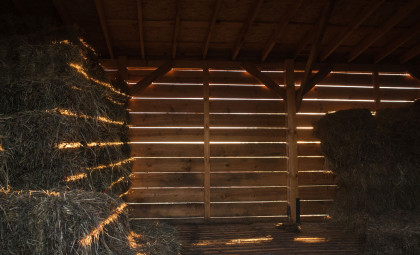
For over 20 years, a rundown barn in rural Massachusetts quietly stored 22 tons of forgotten digital relics on its upper floor. In 2023, deterioration of the building forced the cache to be uncovered, unleashing more than 2,200 pristine computers from 1983 on the vintage tech community and sparking renewed interest in a pioneering pre-internet network.
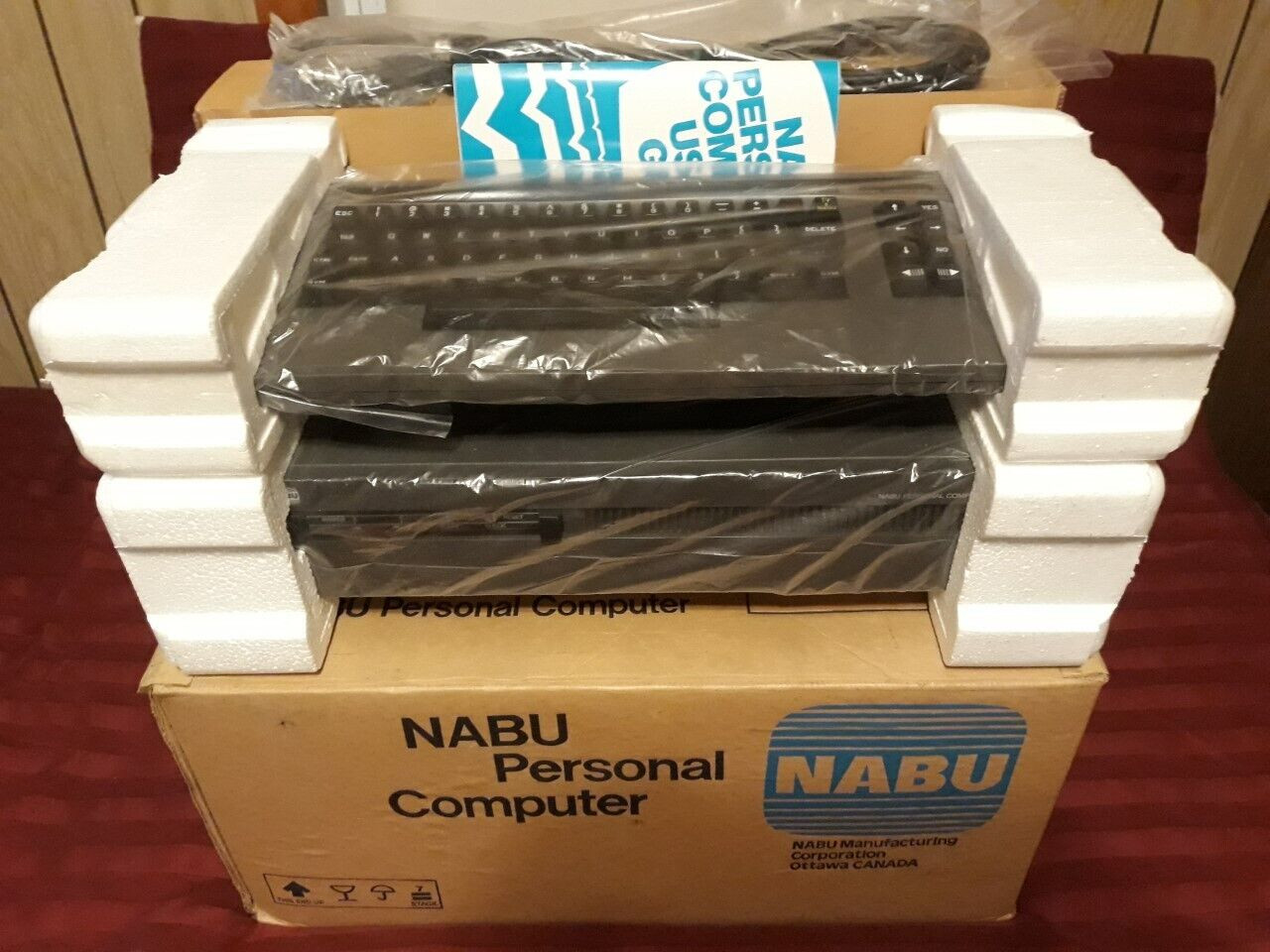
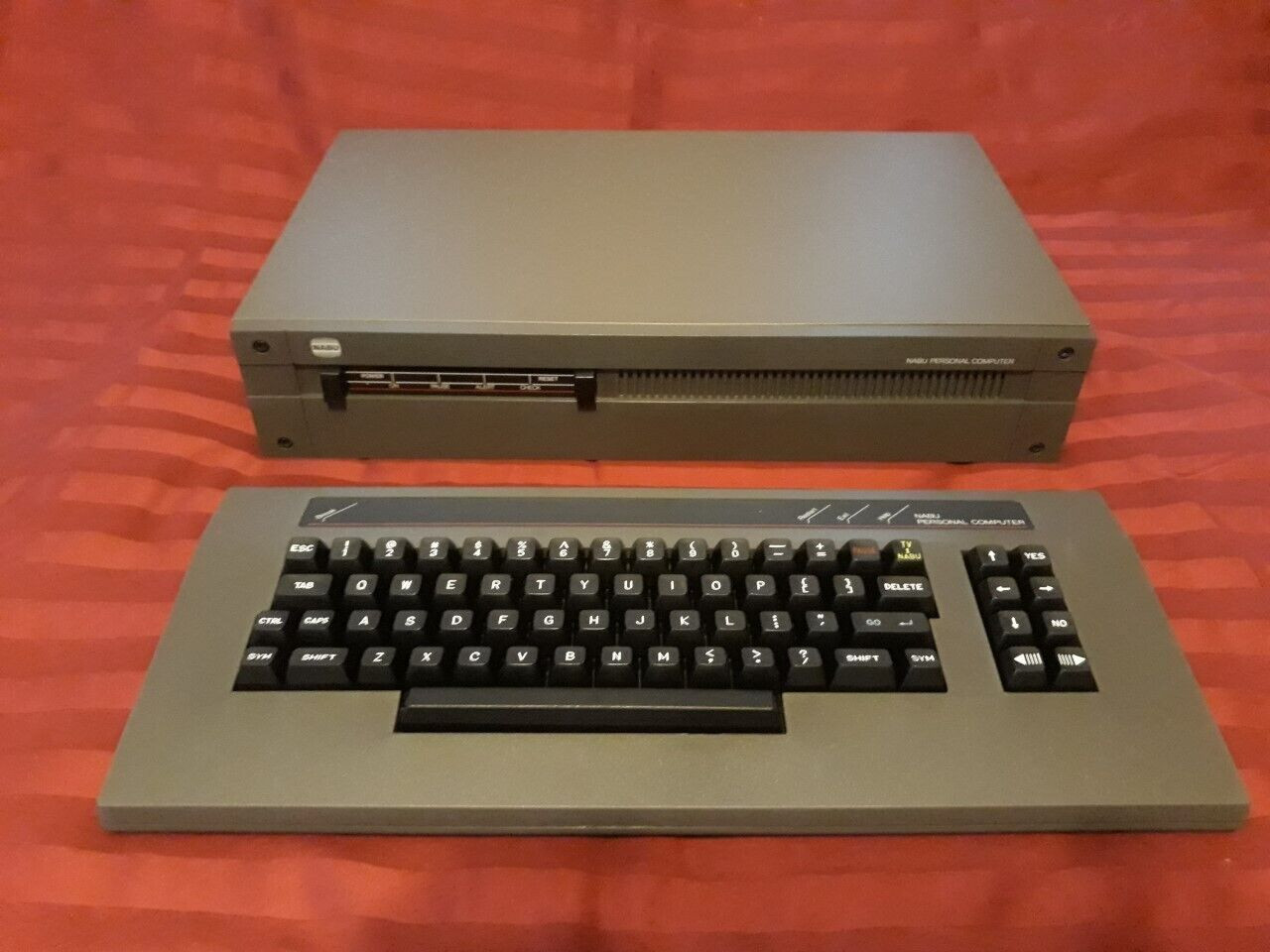
The stash consisted of NABU Personal Computers, an obscure Canadian system that delivered software via cable TV lines. James Pellegrini, a retired computer engineer, bought the entire warehouse stock during a 1980s bankruptcy auction, planning to reuse the Z80 CPUs for a telephone project that was never realized. Around 2000, he stored the units in a neighbor’s barn and largely forgot about them.
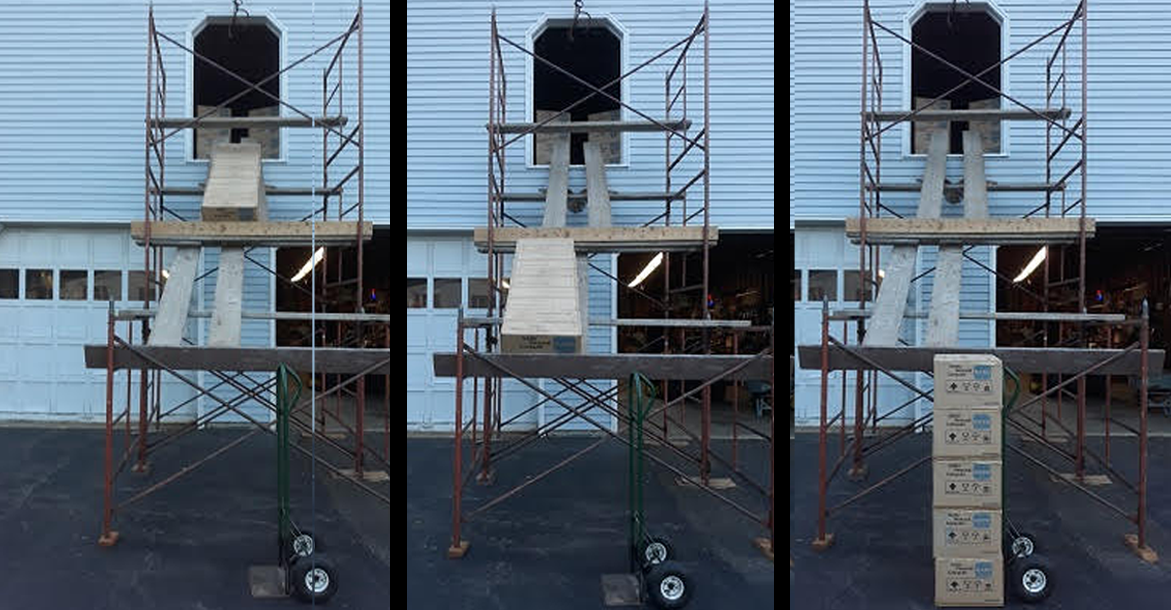
By 2023, the barn’s structural condition was critical. The mass—equivalent to nearly 11 average cars—made removing the computers urgent. Pellegrini and a neighbor spent six weeks carefully moving the devices. Pellegrini recorded the effort, noting, “I would climb up the staging into the loft door and gather 4 stacks of 5 computers. After she slid 5 computers down, I would grab them and put them in the truck. We repeated this about 70 times until the truck was full.”

A Pre-Internet Cable-Based Computing Network Revived
NABU, short for Natural Access to Bi-directional Utilities, debuted in October 1983 as a pioneering service similar to AOL but using cable TV infrastructure instead of traditional phone lines. Hosted by the School of Computer Science at Carleton University, which holds an NPC-2 model in its vintage computing archive, NABU was the first home computer ready for cable connectivity. It featured a Zilog Z80 processor clocked at 3.58 MHz, the same chip found in early video game cabinets and ColecoVision consoles.
The system’s standout feature was its OS, which wasn’t stored locally but downloaded from the cable network each time the machine powered on. This delivery approach foreshadowed modern cloud computing and subscription models by decades. Users could access downloadable games, educational material, and business software— including official arcade ports like Pac-Man and Q*bert.
NABU operated primarily in Canada and briefly around Washington, DC, where former FCC Commissioner Tom Wheeler managed US operations but encountered resistance from cable companies. “We actually ended up training our salespeople that what they needed to do was set everything up, and then put the keyboard in the consumer’s lap, force them to touch it,” Wheeler shared in a 2023 Vice interview about the barn find. Despite this, the service ceased in 1986 after just three years.
Renewed Enthusiasm Through Online Auctions
Initially, Pellegrini listed the devices on Craigslist at $20 apiece, but demand was slow. He then switched to eBay, pricing them at $59.99, a bargain for premium new-old-stock gear, which quickly drew massive attention.
In three days, nearly 560 units sold—about a quarter of the barn stock. eBay temporarily froze his account to verify ownership, then resumed sales as orders continued worldwide. Pellegrini eventually raised the price to $99.99 to match growing interest. Each computer was unpacked, tested to ensure it booted correctly, and carefully repackaged before shipment.
The influx of uniform hardware attracted programmer DJ Sures, whose father had contributed to the original NABU design. After buying a unit, Sures set out to rebuild the network’s communication protocol. He collaborated with Zbigniew Stachniak, a computer science professor at Toronto’s York University who leads the NABU Network Reconstruction Project. Stachniak provided partial guidance but required Sures to reverse engineer much of the system himself.
“He says, ‘I’m not giving you anything, you have to earn what I give you,’” Sures told Vice. “He treats me like a student.”
Authentic Software Revitalizes the System
Progress accelerated when Leo Binkowski, NABU’s former Director of Content Development, connected with Sures on LinkedIn and shared a treasure trove of original program files preserved at his home for nearly 40 years. Loading these files restored the NABU interface, including its iconic starfield boot screen, which Sures captured on video.
Thanks to an internet adapter developed by Sures, the network now functions once again. The NABU RetroNET Preservation Project offers historical archives and connectivity tools for buyers of the barn units. Additionally, the platform can run on MAME emulators, broadening access beyond physical hardware.
York University has welcomed the surge of community interest despite the increased workload. Stachniak described the influx as “a massive attack on our museum” but expressed satisfaction in supporting the passionate hobbyists. “It was really a pleasure to work with them,” he said.
Pellegrini, an embedded systems veteran, hopes to develop new software for the NABU once the remaining stock is sold. Reflecting on his unique role in preserving computing history, he told Vice, “I’m going to be known as the eccentric who kept these computers and then released them onto the world 30-plus years later.”
With the barn now emptied, the once-forgotten network has astonishingly been brought back to life.
- Categories:
- News











0 comments
Sign in to Comment