
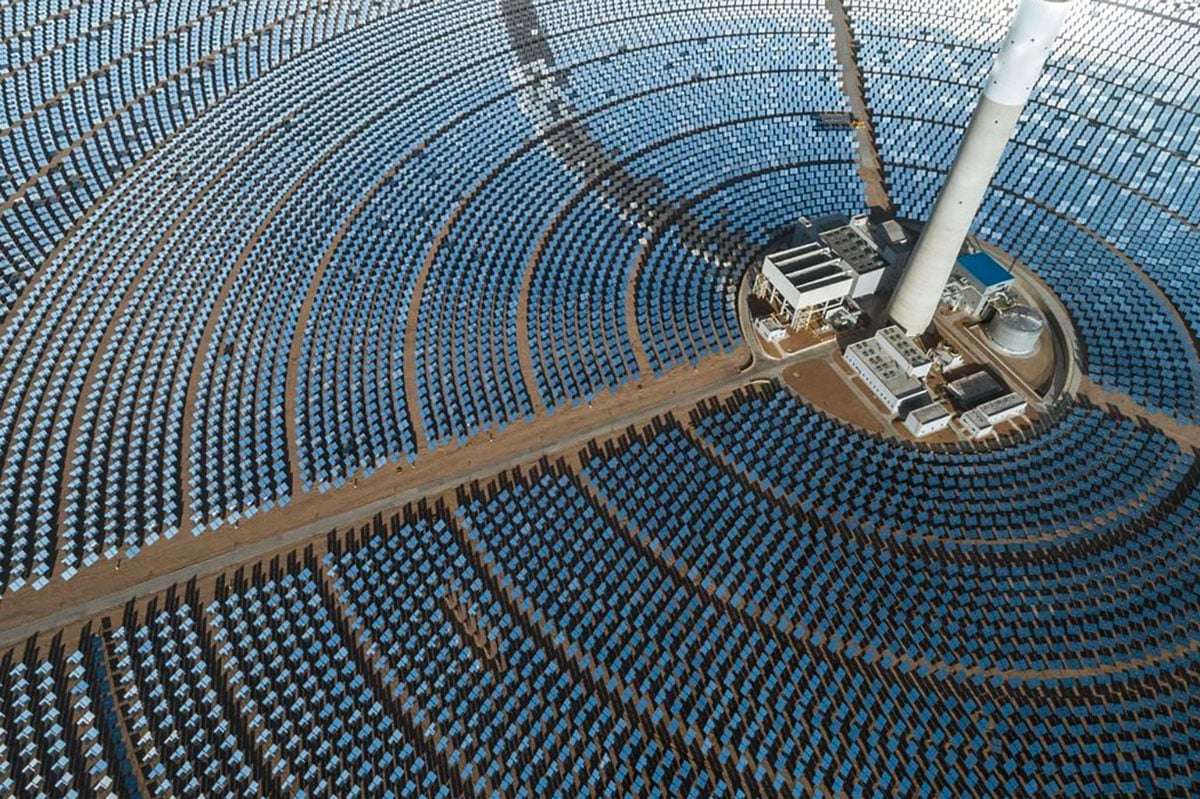
The Sahara Desert is integral to maintaining Earth's climate balance. Recent research featured in Nature explored the outcomes of deploying vast solar arrays over 5%, 20%, and 50% of North Africa, revealing concerning consequences:
- Rise in local heat: A 20% solar coverage could elevate Sahara temperatures by 1.5°C, while 50% coverage might boost temperatures by 2.5°C.
- Global warming effects: Global average temperatures could climb by 0.16°C under 20% coverage and up to 0.39°C at 50% coverage.
- Shifts in rainfall: Heat from the panels would intensify temperature gradients between land and adjacent oceans, possibly setting off feedback loops that alter precipitation patterns.
Such changes risk serious ecological disruptions far outside the Sahara region. For example, the Amazon rainforest depends heavily on nutrient-rich dust carried from the Sahara. Disturbing this balance might imperil one of the planet’s key carbon reservoirs.
Financial and technical obstacles
Beyond environmental concerns, the endeavor faces notable economic and technological challenges:

Taking into account the environmental ramifications and the falling costs of more localized renewable solutions, the financial practicality of such a massive project remains dubious. Meanwhile, some researchers have suggested alternative climate interventions like propagating diamond dust in the atmosphere over 45 years to help cool the planet, exemplifying the range of strategies under exploration.
Global climate impacts and unintended effects
Implementing enormous solar farms in the Sahara would trigger wide-reaching consequences. Models forecast:
- Displacement of tropical rainfall zones, potentially causing drought in the Amazon
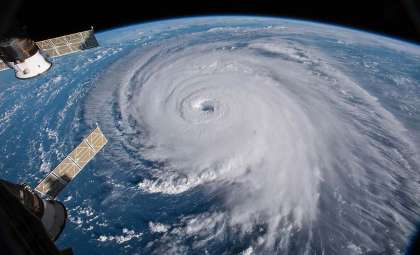
- More frequent tropical storms hitting North America and East Asia
- Declines in cloud cover across regions of Central and South America, South Africa, parts of the United States, Central Asia, and northwest China
- Possible reduction in global oxygen production linked to diminished phytoplankton activity in the Atlantic Ocean
These chain reactions highlight Earth’s climate interdependencies and underscore the risks of large-scale geoengineering initiatives. While novel approaches are essential in tackling climate change, holistic assessment of their impacts is critical.
Embracing diverse sustainable energy alternatives
Instead of pursuing a single vast installation with potentially dire side effects, experts advocate for varied, localized clean energy projects, such as:
- Solar panels dispersed over rooftops and urban environments
- Wind farms located offshore
- Harnessing geothermal energy
- Innovative advancements in energy storage
Researchers are also investigating new methods to counteract climate change, including a straightforward system to capture atmospheric CO2. These multi-pronged efforts demonstrate the importance of combining different technologies to safely fulfill global energy demands.
Ultimately, while transforming the Sahara into a vast solar array might sound promising, its environmental and financial drawbacks overshadow the advantages. Pursuing a sustainable future necessitates appreciating the complex interactions of Earth's ecosystems and climate, focusing instead on diverse renewable technologies and innovative carbon capture to avert unintended damage worldwide.
- Categories:
- Climate change
















0 comments
Sign in to Comment