
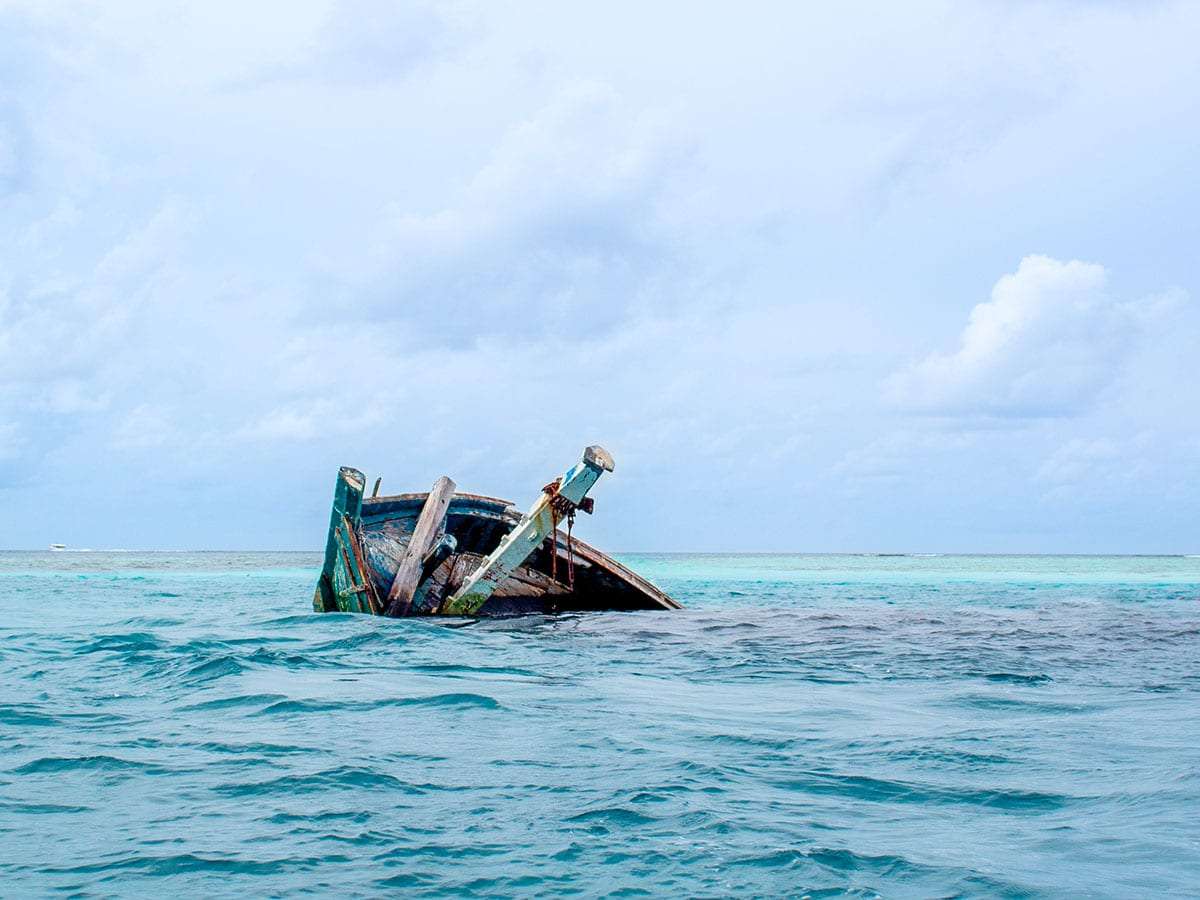
Researchers have uncovered an intriguing shipwreck submerged in the clear Indian Ocean waters near Malindi, Kenya. The excavation is being spearheaded by Filipe Castro, a maritime archaeologist from the University of Coimbra, Portugal. While the precise identity of the ship remains under investigation, evidence suggests it might be the San Jorge, a vessel from Vasco da Gama’s fleet lost in 1524.
This discovery holds tremendous significance. If authenticated, the wreck would represent the earliest European ship to be found in the Indian Ocean. A connection to Vasco da Gama’s armada adds considerable historical value, providing physical evidence of Portuguese exploration along the Kenyan coastline in the 16th century.
Maritime archaeological finds are not confined to warm seas. Notably, archaeologists recently revealed an ancient wall beneath the Baltic Sea, demonstrating the expansive potential for underwater cultural heritage discoveries worldwide.

An archaeological gem beneath the waves
The Ngomeni reef stretches more than 25 kilometers and has become a hotspot for underwater archaeological studies. Castro and his colleagues have carefully examined the coral-covered remains, gathering insights into the vessel’s provenance and role. Their research, published on November 18, 2024, in the Journal of Maritime Archaeology, provides valuable detail on Portuguese ships navigating the Indian Ocean during the early 1500s.
The paper titled “The Ngomeni Shipwreck and the Ships of the Portuguese India Route” highlights the rarity of such finds. Only a handful of ships from Portuguese expansions across the Indian and Pacific Oceans between the 15th and 17th centuries have been recovered, making this wreck exceptionally important for historical studies.
Castro calls the discovery “an extraordinary wreck” and “a remarkable find.” Sean Kingsley, a seasoned maritime archaeologist unaffiliated with the project, echoes this, describing these European shipwrecks in Kenyan waters as “valuable cultural treasures.”
Tracing Vasco da Gama’s fateful journey
The possibility that the ship relates to Vasco da Gama injects further intrigue into the find. Born in 1460, Vasco da Gama was the famed Portuguese explorer who:
- Charted the sea passage to India around Africa
- Founded the first Portuguese trading post on the Asian continent
- Served as India’s Viceroy shortly before his death
If confirmed as the San Jorge, the wreck would date back to 1524 during da Gama’s last voyage to India. That fleet of 20 ships faced tragedy when da Gama died of malaria soon after reaching India. Historical records cite two notable ship sinkings near Malindi: the San Jorge in 1524 and the Nossa Senhora da Graça in 1544.
The table below outlines essential details about Vasco da Gama’s expeditions:
Significance for Kenyan heritage
In an April 2024 statement, the Centre for Functional Ecology stressed that although the ship’s identity remains uncertain, its cultural importance for local communities is significant. The wreck could offer concrete proof of Vasco da Gama’s third fleet visiting Kenyan waters, filling a gap in the region’s maritime record.
This finding enriches the narrative of Portuguese naval ventures and underscores Kenya’s pivotal role in the Age of Discovery. As investigations proceed, the Ngomeni shipwreck stands as a powerful emblem of how maritime archaeology can unveil lost stories from our global past.
Source LiveScience
- Categories:
- News











0 comments
Sign in to Comment