
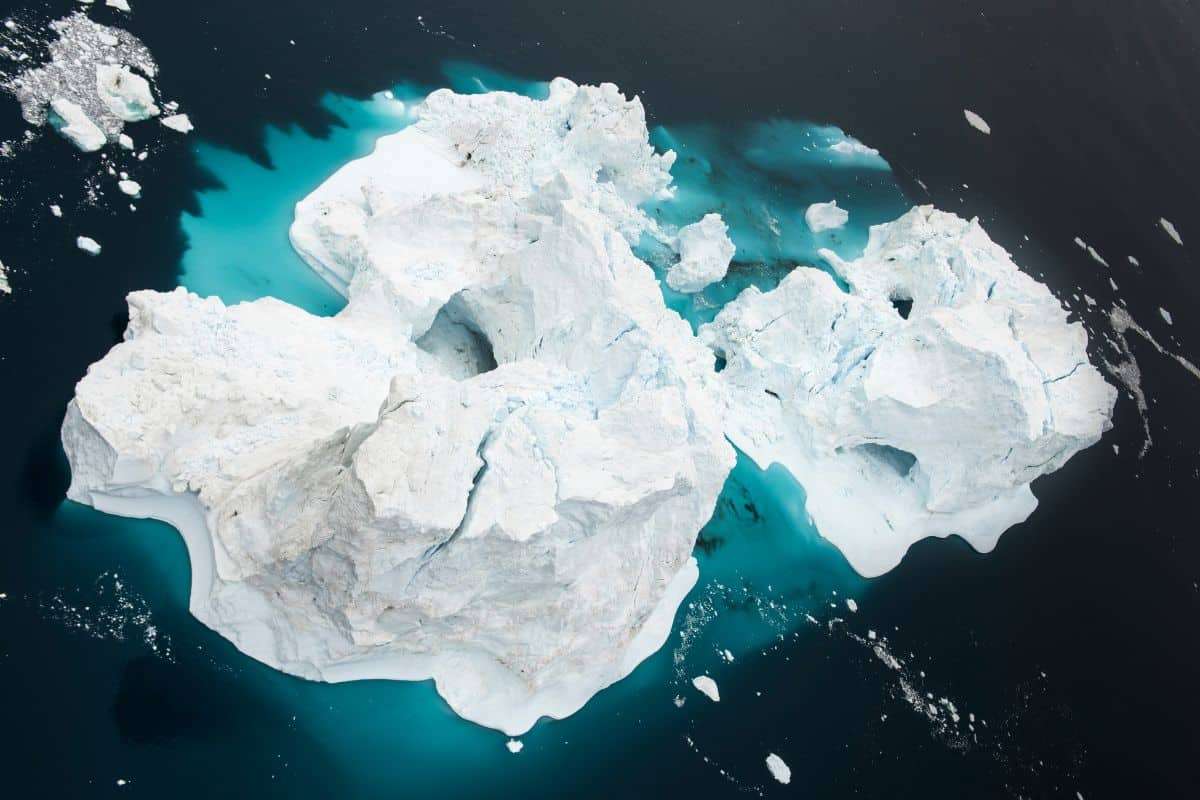
Approximately 700 million years ago, our planet was dominated by vast glaciers during the Cryogenian era, experiencing some of the most severe ice ages in Earth's history. These gigantic ice sheets, some several kilometers thick, covered massive areas, transforming much of the world into an icy desert.
Recent scientific studies indicate that the melting of these glaciers could have been instrumental in delivering critical nutrients to the oceans, potentially triggering the evolution of intricate life forms on Earth.
Did Earth Experience a Global Ice Cover?
The Snowball Earth hypothesis proposes that during the Cryogenian period, the planet was enveloped in extensive glaciation, stretching from polar regions all the way to equatorial zones.
Supporting evidence includes sediment formations indicating glacial activity at unusually low latitudes. Although the exact causes of these worldwide freezes remain debated, many researchers point to a dramatic decline in atmospheric carbon dioxide—potentially due to intensified tropical rock weathering—as a key factor.

Glaciers as Earth’s Massive Geological Shapers
Traditionally viewed as destructive forces, glaciers during this period functioned more like vast geological sculptors. Acting as immense earth movers, they ground down bedrock into fine sediment.
When the ice sheets eventually melted, these mineral-rich sediments were released into the oceans, enriching marine environments with essential nutrients. This process likely played a pivotal role in enabling the development of complex life far beyond primitive microbial forms.
Volcanic Forces Behind the Ice Age’s End
While ice dominated Earth’s surface during Snowball Earth events, volcanic eruptions may have been key to their eventual conclusion. As glaciers spread, the dynamics between the planet’s crust, seas, and atmosphere changed, causing carbon dioxide to accumulate.
Over time, volcanic outpourings released vast quantities of CO2, triggering a feedback loop that warmed the planet. This gradual temperature rise melted the ice, driving a significant climate shift and transforming ocean chemistry.
An Ice Age Thaw Fuels Biological Innovation
The retreat of glaciers dramatically altered ocean composition by injecting large amounts of nutrients, reshaping ecosystems. This nutrient surge likely stimulated biological processes that led to the rise of multicellular organisms.
Changing ocean chemistry during this time created conditions favorable to the evolution of diverse and complex life, laying the groundwork for modern ecosystems.
The Power of Glacial Meltwater in Shaping Life's Future
Recent findings emphasize the critical influence of glacial melting alongside volcanic influences in driving evolutionary advancements. Examination of ancient geological records from this era reveals clear shifts in Earth’s crust aligned with glacial movements.
The release of meltwater from retreating ice sheets mobilized mineral deposits previously locked beneath the ice. Once these minerals dissolved in ocean water, they transformed chemical balances, creating an environment well-suited for biological diversification.
This redistribution of vital elements helped establish thriving marine habitats post-Snowball Earth, supplying the building blocks for life’s continued complexity and success.
- Categories:
- Science







0 comments
Sign in to Comment