
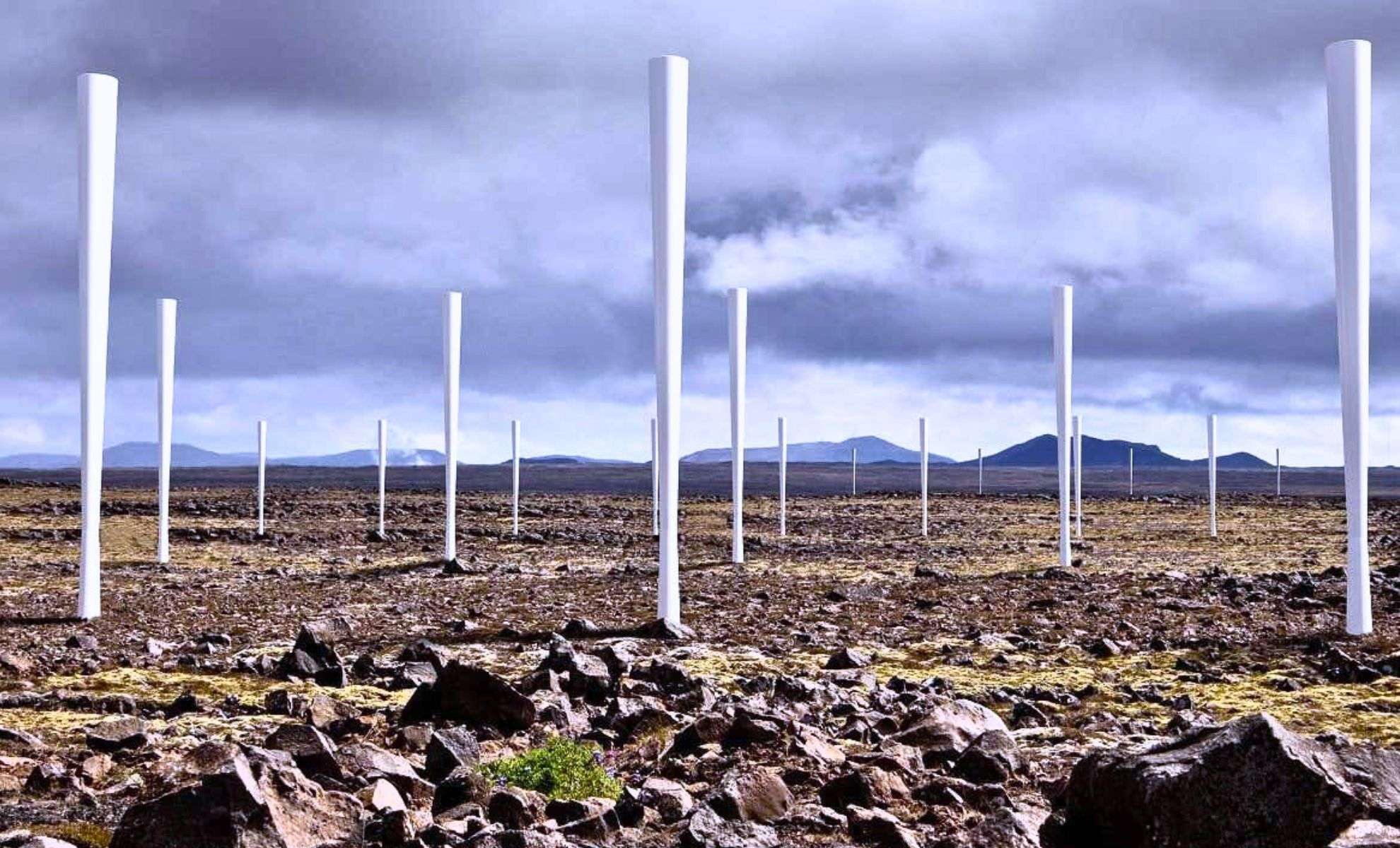
As the world shifts toward greener energy, fresh innovations are reshaping renewable power technologies. The newest game-changer is the bladeless wind turbine, developed by the Spanish company Vortex Bladeless. This groundbreaking design promises a quieter, safer, and more effective way to convert wind into clean electricity.
Understanding the Concept of a Bladeless Turbine
Conventional wind turbines, featuring large rotating blades, have long dominated wind-generated power. Yet, these spinning blades create noise, endanger birds, and often demand intensive upkeep. The bladeless turbine represents a novel mechanism that sidesteps these issues entirely.
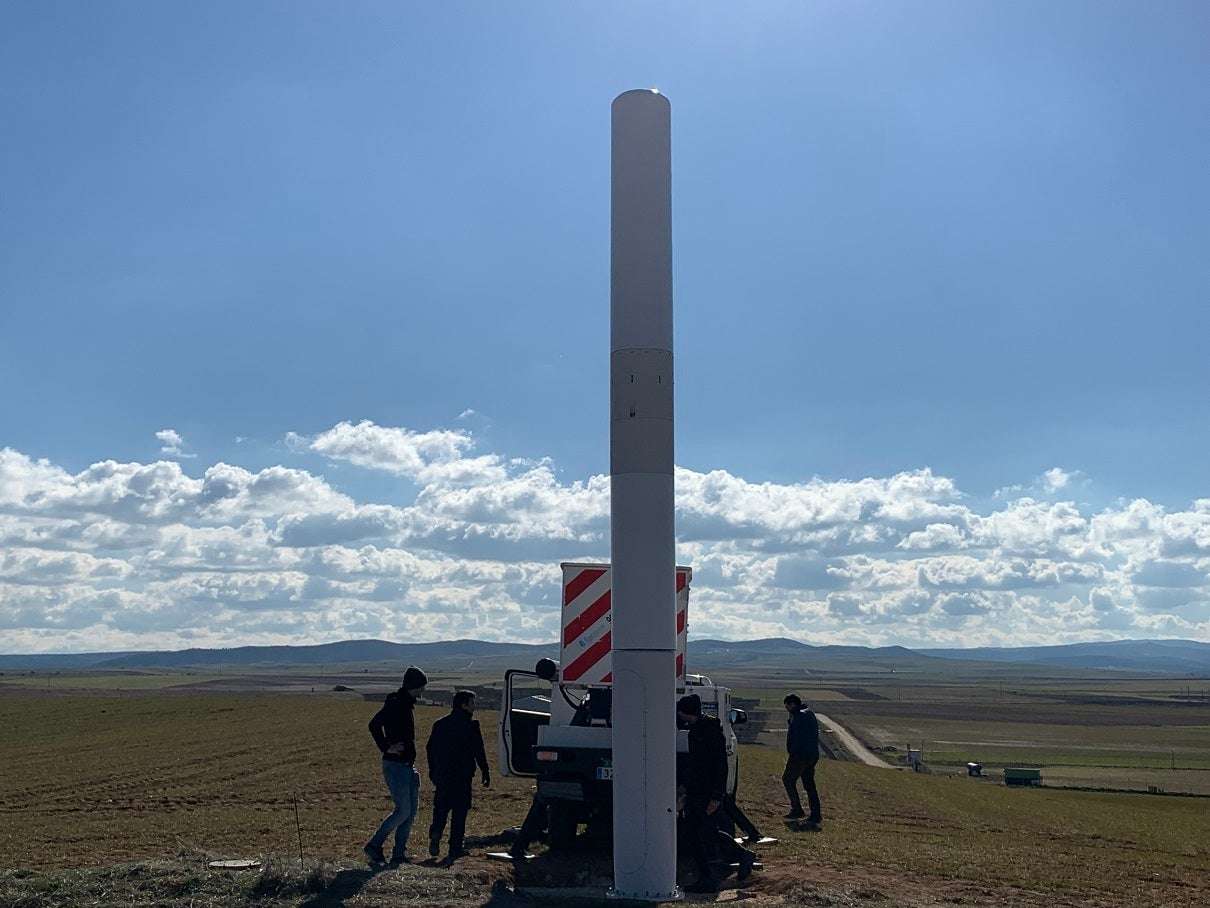
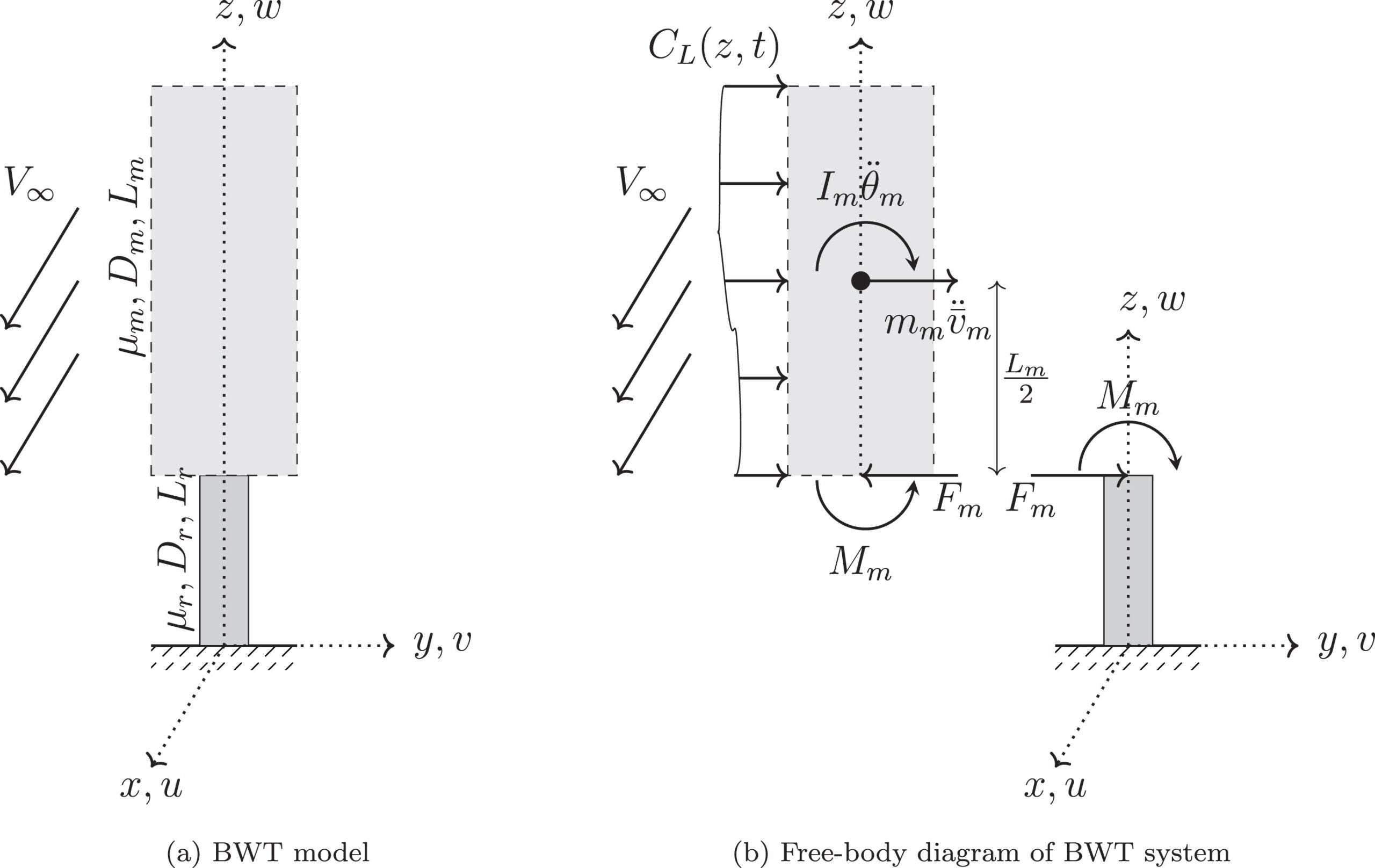
Rather than using blades, this device takes advantage of vortex shedding, a phenomenon where steady winds cause a tall cylindrical structure to oscillate. The turbine harnesses these vibrations to produce electricity, functioning like a tall tube that sways with the wind, eliminating the need for moving parts such as blades, gears, or lubricants.

Key Benefits of the Bladeless Approach
This bladeless design provides several notable advantages over traditional wind turbines.
1. Whisper-Quiet Function
The bladeless turbine operates almost silently. Unlike conventional models, which emit noise due to spinning blades, this technology produces minimal sound, making it particularly suitable for communities where noise pollution is a major issue.
2. Protecting Birdlife
This turbine design is much safer for birds. Conventional turbines’ fast, large blades often pose a collision hazard, whereas the bladeless turbine’s gentle oscillation allows birds to fly nearby without risk.
3. Reduced Maintenance Needs
Without complex moving parts, the bladeless turbine requires far less upkeep. There's no need for routine lubrication, gear servicing, or frequent repairs, resulting in a more durable and cost-effective system.
4. Compact Footprint
Unlike the bulky traditional turbines that need expansive open areas, the bladeless turbine is compact, making it ideal for tighter spaces like city rooftops or remote off-grid sites.
How Does It Stack Up to Traditional Wind Systems?
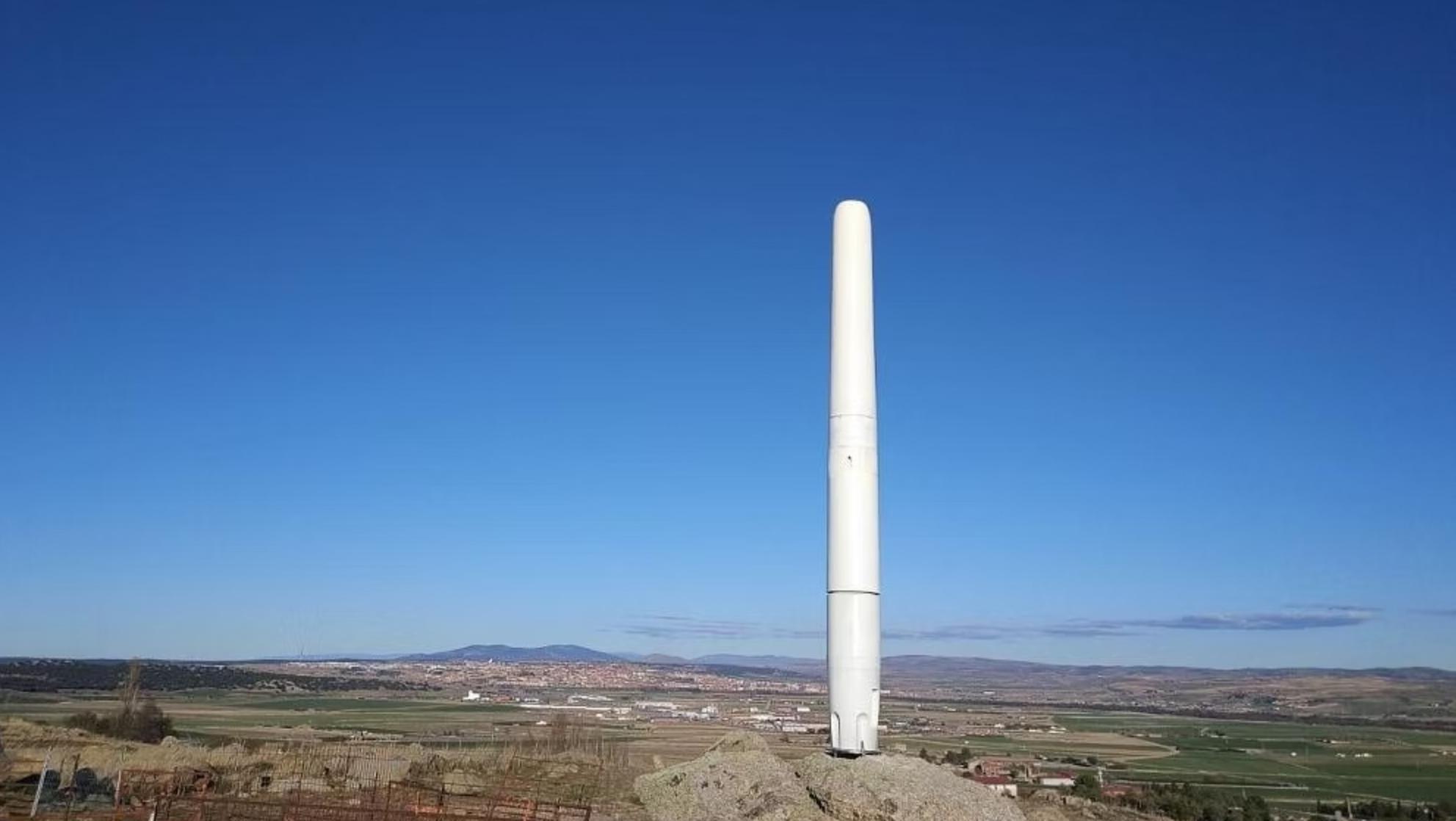
Although the bladeless turbine presents unique advantages, it currently delivers less power than classic turbines. This means it isn’t poised to replace large wind farms but serves as an excellent adjunct energy source.
Its strengths are most apparent in urban or confined spaces where conventional turbines can't operate effectively. The bladeless model provides a quiet, dependable energy source suited to such environments.
Its ability to pair with solar power also boosts its appeal; while solar provides daytime energy, the turbine can contribute power during nighttime, making it suitable for off-grid residences and small installations.
Despite producing less electricity, the bladeless turbine is a significant innovation that opens new pathways for sustainable energy where conventional turbines may not be viable.
Prospects and Challenges Ahead
This technology is still evolving, with ongoing challenges in optimizing energy generation across a range of wind conditions. It may not yet rival the efficiency of large-scale turbines everywhere, but rapid innovations are underway.
Researchers at the University of Glasgow are employing advanced simulation techniques to refine the design and boost performance, potentially making the turbine more competitive in the clean energy market.
Meanwhile, Vortex Bladeless is developing multiple turbine sizes to address various needs, from single-home power to community-level generation.
Growing interest from investors and energy sectors underscores its potential. Norway’s state-owned energy giant, Equinor, has highlighted Vortex Bladeless as an exciting entrant in renewable technology, signaling strong prospects for the bladeless turbine’s future.
- Categories:
- News










0 comments
Sign in to Comment