
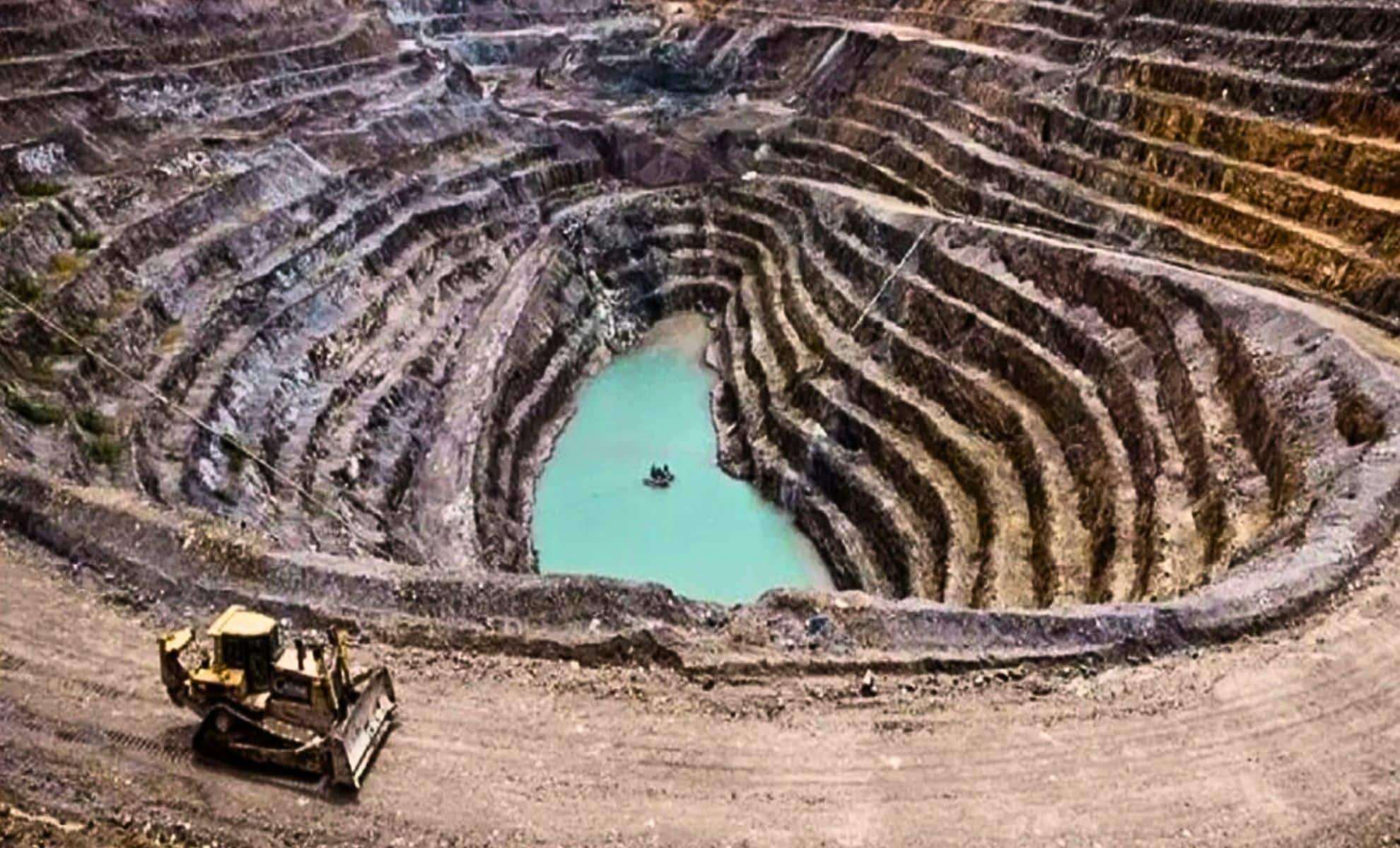
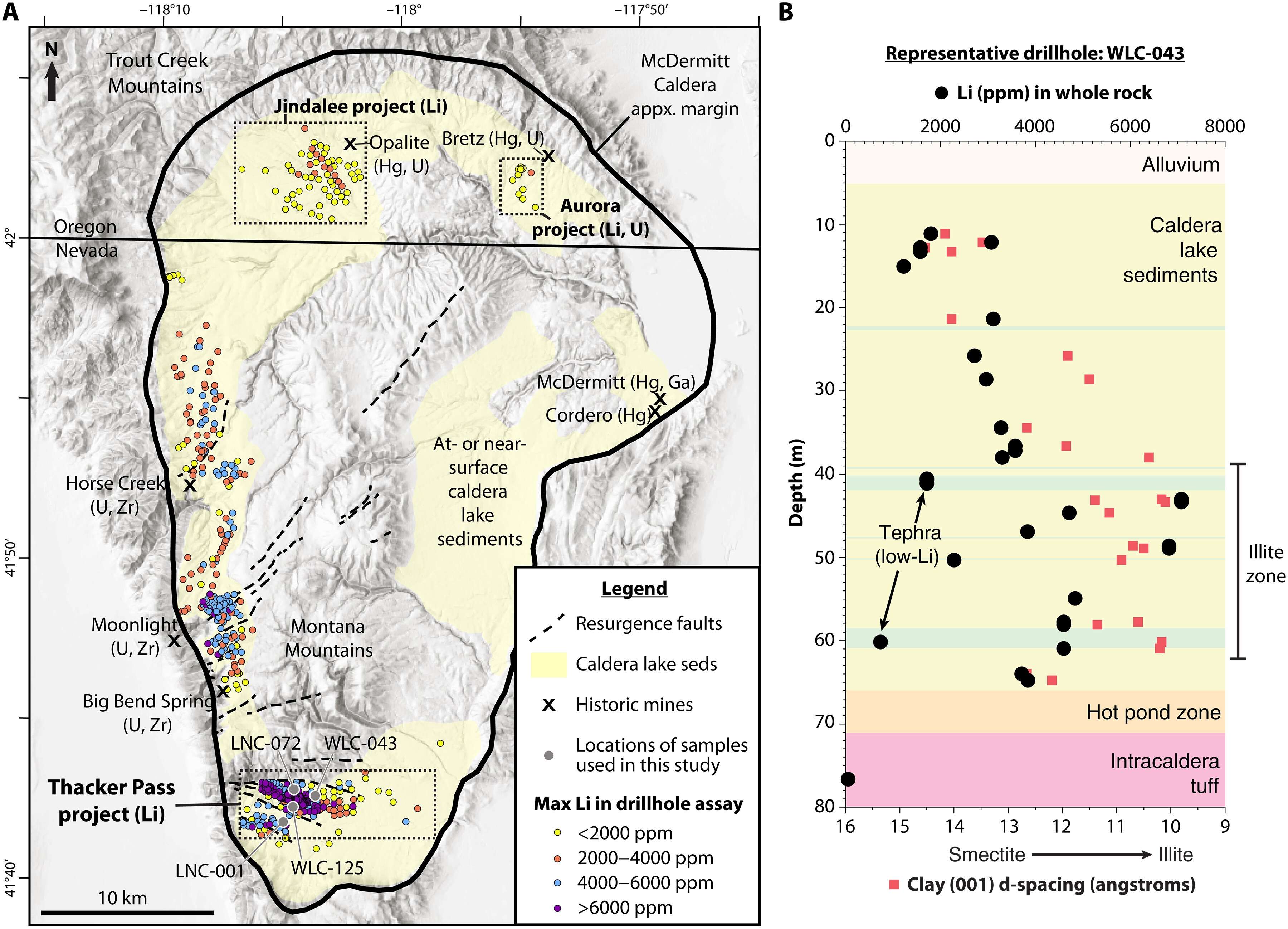
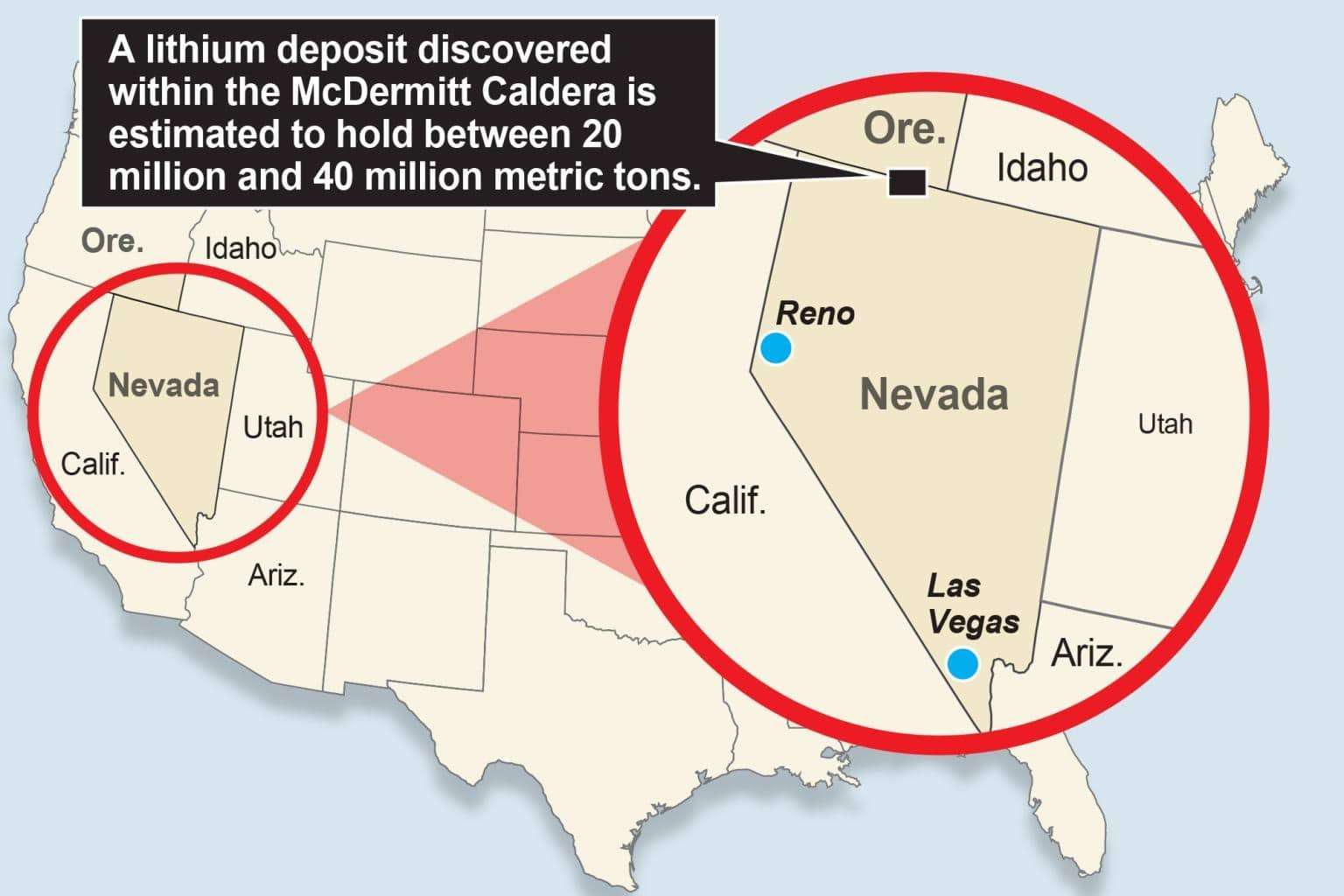
Straddling the border between Nevada and Oregon, the McDermitt Crater has emerged as a hotspot with its extraordinary lithium reserves. This expansive volcanic basin contains what is currently the largest known concentration of lithium worldwide, estimated at an impressive 20 to 40 million metric tons. As demand for lithium-powered solutions such as electric vehicles (EVs) and renewable storage surges, this find may significantly influence both the U.S. and international energy markets.
A Unique Geological Phenomenon
The lithium-rich clays within McDermitt owe their existence to volcanic and hydrothermal processes dating back millions of years. Unlike typical lithium sources found in saline flats or mineral-rich rocks, this deposit boasts unusually high concentrations within illite-bearing clays.
Belgian geologist Anouk Borst highlights the importance of this find, suggesting it could “reshape global lithium dynamics” by giving the U.S. access to a crucial and dependable supply necessary for clean energy transitions.

Influence on the Worldwide Lithium Supply Chain
Boasting a size nearly twice that of Bolivia’s largest deposit, McDermitt has attracted intense interest across energy sectors. This development could significantly disrupt the global balance, as governments and companies vie for secure lithium sources.
This newfound reserve might affect pricing trends, geopolitical strategies, and supply reliability at a time when electric vehicles and renewable power systems are vital to global economies.
Economic Upsides and Environmental Challenges
The discovery at McDermitt arrives during a critical period for the U.S., which previously held relatively limited lithium reserves estimated at about 1 million metric tons. This abundant resource could propel the U.S. to a key position within the global supply network, helping reduce dependency on foreign imports and stabilize lithium prices.
Nearby, the Thacker Pass mining project is already driving job creation and economic growth. Nonetheless, enthusiasm is tempered by environmental and cultural objections. Indigenous communities and conservationists emphasize the importance of protecting sacred lands and ecosystems while pursuing green energy progress.
Charting the Path Forward for Energy Innovation
Beyond being a substantial lithium deposit, McDermitt symbolizes a pivotal moment intertwining technological advancement with ecological stewardship. Mining operations targeting a 2026 start must carefully balance resource extraction with minimizing environmental damage and honoring indigenous rights.
Partnerships involving mining firms, environmental advocates, and native groups will be essential for responsible development, enabling the U.S. to fully capitalize on this resource without sacrificing its natural heritage.
Looking ahead, the McDermitt find has the capacity to revolutionize energy storage solutions, advance electric vehicle production, and accelerate the global move toward sustainable energy.
This article has been republished from the following materials. Note: material may have been edited for length and content. For further information, please contact the cited source.
- Categories:
- News







0 comments
Sign in to Comment