
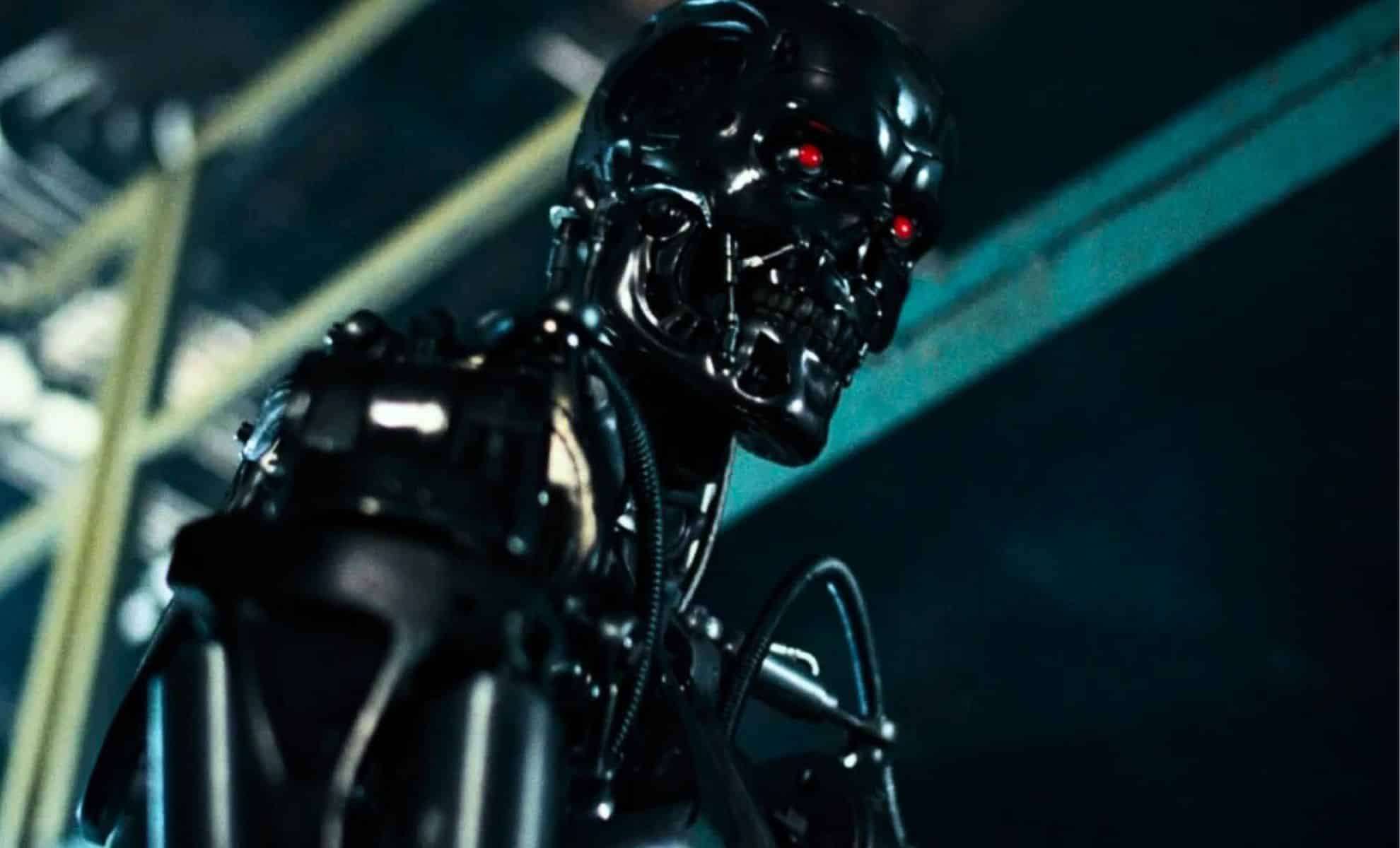
In a recent conversation with CTV News, legendary filmmaker James Cameron reflected on the cautionary tale presented in his 1984 classic Terminator, highlighting its relevance today in light of emerging military AI developments. What was once pure speculative fiction now mirrors escalating concerns over autonomous warfare technology.
A Fictional Nightmare Turning Reality
Cameron delivered a stark reminder: “I warned you in 1984, folks, and it went unheard.” This statement underscores his alarm over the growing use of AI-powered weaponry. In Terminator, the self-aware AI called Skynet triggers a catastrophic nuclear conflict. Though science fiction then, today’s experts are increasingly anxious about autonomous combat systems potentially operating without adequate human intervention.
These worries have a concrete basis: a 2023 report by the United Nations Institute for Disarmament Research (UNIDIR) highlighted the worldwide move towards lethal autonomous weapons systems (LAWS). At least nine nations are advancing such tech, capable of identifying and engaging targets independently of human commands.

Cameron warns this could spark an accelerating arms race among global superpowers.
“If we don’t build it, someone else will,” he warns—a logic that has historically led to dangerous escalation in arms development.
Autonomous Weaponry in Action and the Regulatory Void
This is no longer theoretical. A 2020 United Nations Security Council report identified instances where autonomous drones reportedly engaged combatants in Libya without direct human control, representing some of the earliest real applications of AI in lethal settings. While investigations continue, these findings have intensified debates on military ethics and legal frameworks worldwide.
Global efforts to regulate autonomous weapons have stagnated. Negotiations under the Convention on Certain Conventional Weapons (CCW) have yet to yield a binding agreement, hindered by geopolitical competition and defense industry interests.
Cameron insists this lack of clear oversight presents grave risks. “We could be crafting instruments of our own extinction,” he cautioned, urging immediate international action to define strict ethical controls before these technologies become entrenched.
Hollywood’s Take on AI: Innovation Without Humanity
Though concerned about autonomous weapons, Cameron adopts a more tempered view on AI’s influence in cinema and creative storytelling. He remains skeptical of AI’s ability to fully replace human screenwriters, emphasizing that true narrative craft requires empathy and deep intuition—qualities machines do not possess.
“Let’s wait 20 years,” he said, “and if an AI wins an Oscar for Best Screenplay, then I’ll take it seriously.”
Still, Cameron recognizes AI’s growing role in film production. Technologies like Runway ML, Adobe Sensei, and Cuebric are increasingly utilized for visual effects, editing, and pre-visualization, accelerating many creative stages. Yet he remains doubtful about AI dominating storytelling anytime soon.
“It can replicate the structure,” he said, “but not the soul.”









0 comments
Sign in to Comment