
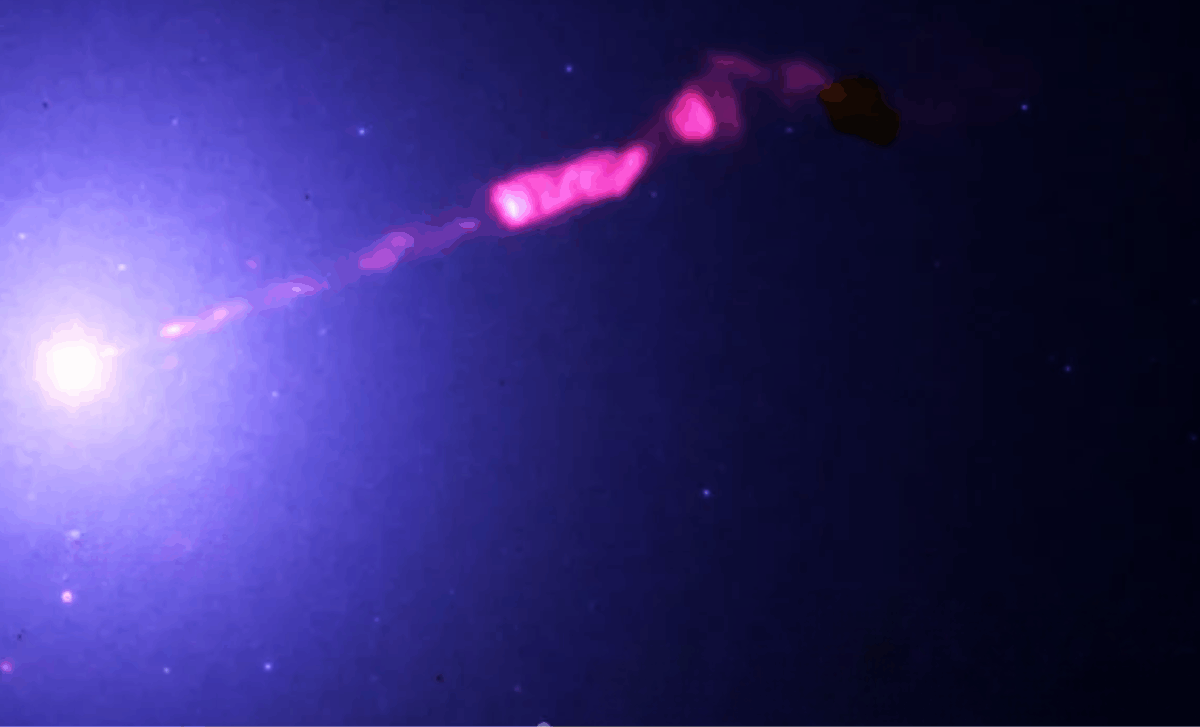
The James Webb Space Telescope (JWST) has delivered an unparalleled view of the jet emitted by the supermassive black hole in galaxy M87. A recent publication in Astronomy & Astrophysics (September 2025) revisits Webb’s infrared observations, unveiling complex structures such as helical formations and luminous knots within the jet that were previously undetected.
Unraveling a Century-Long Enigma in Galaxy M87
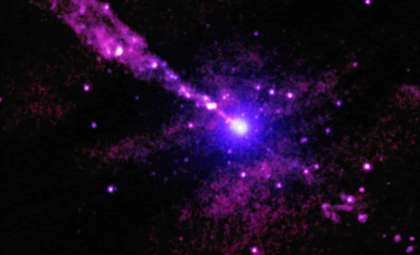
The central black hole of M87, located roughly 53 million light-years from Earth, has captivated researchers since its jet was first observed in 1918 by astronomer Heber Curtis. This striking jet, emerging from the core, provides valuable insights into how black holes expel enormous energy and matter. Despite the landmark 2019 image of the black hole’s shadow by the Event Horizon Telescope, the detailed architecture of M87’s jet remained largely mysterious.
Decades of study have challenged astronomers to decode the jet’s complex behavior, including the barely visible counter-jet traveling in the opposite direction. Detailed investigation of these jets is essential for understanding the interplay between the black hole’s magnetic forces, charged plasma, and the surrounding intergalactic environment. Webb’s infrared technology now offers the sharpest images yet, enabling precise mapping of both the main jet and its counterpart.

Illuminating Jet Structures Through Infrared Eyes
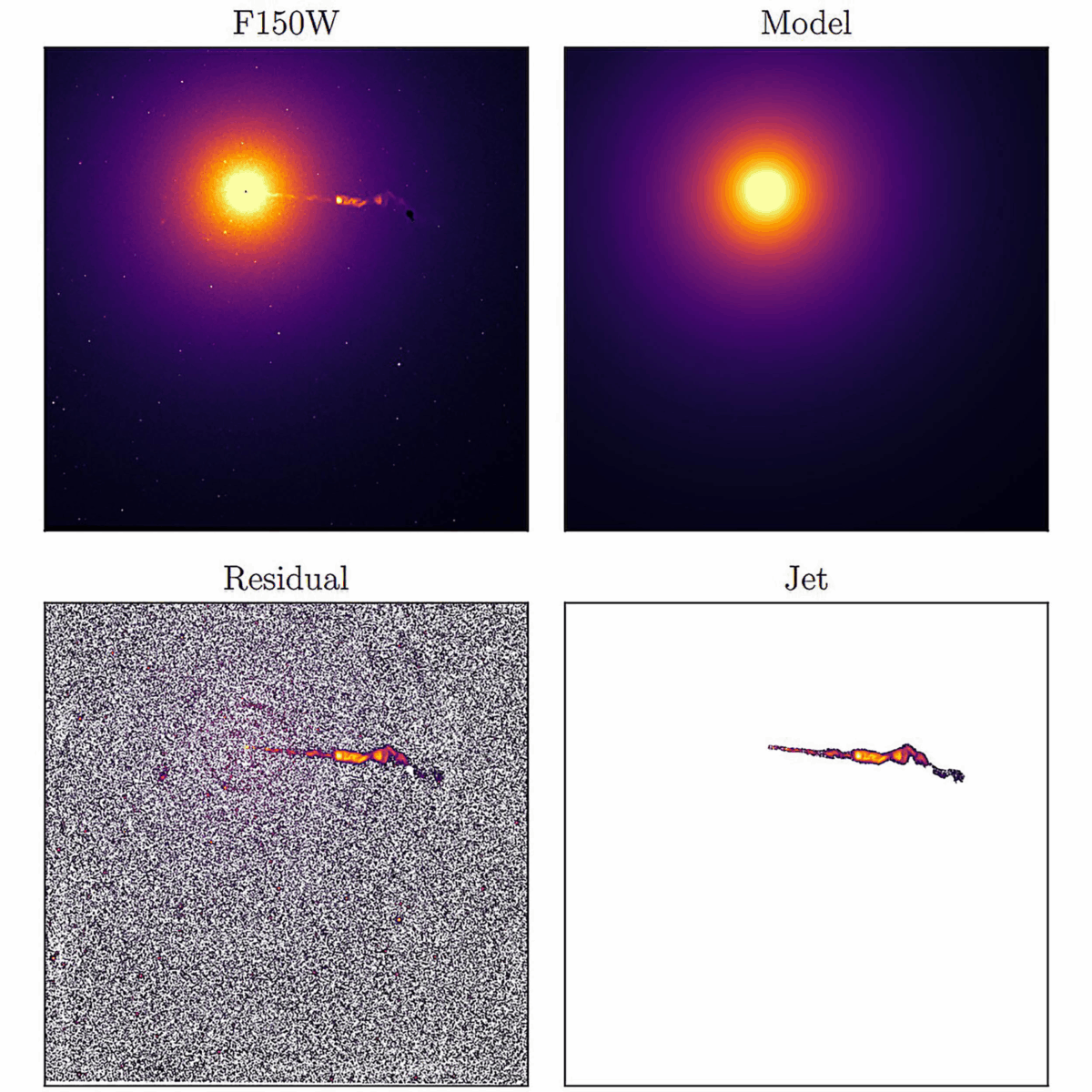
JWST’s infrared sensors penetrate the galaxy’s pervasive starlight, revealing fine details invisible in visible wavelengths. Wielgus and colleagues utilized these images to isolate the jet from the galaxy’s stellar glow, exposing underlying intricate features.
Wielgus remarked on the importance of the data transformation, stating,
“It’s a very practical example of what astronomers often say, what is one astronomer’s trash is another astronomer’s data.”
Originally aimed at studying star populations, the data gained new life through sophisticated processing that enhanced the jet’s visibility. This approach highlights how fresh analysis techniques can unlock novel information from existing observations.
The enhanced images reveal familiar bright knots along the jet along with newly identified spiral, darker lanes shaped by internal magnetic loops. These magnetic fields, anchored to the black hole, likely confine the plasma flow and maintain jet integrity over vast distances.
Shedding Light on the Hidden Counter-Jet
One longstanding puzzle has been the faint counter-jet pointing away from Earth, weakened by relativistic effects that brighten the approaching jet. JWST’s sensitivity and advanced image processing finally unveiled this elusive structure.
The data traced the counter-jet’s trajectory until it brightens upon entering a gas pressure zone, exposing features unseen before. Combining this with observations of the visible jet reveals the surrounding bubble of gas and plasma, enhancing our understanding of how black hole jets interact with their environment.
Magnetic Fields and Plasma Flow: Keys to Jet Stability
The observed helical patterns are more than visual curiosities; they represent magnetic fields wrapped around the plasma stream, essential for containing the jet’s structure. These fields also likely trigger energy releases through phenomena such as magnetic reconnection, where magnetic lines break and unleash bursts of energy.
Insights into these magnetic characteristics open new doors for simulating plasma dynamics near black holes and clarifying how magnetic forces shape jet behavior. Webb’s high-definition infrared data provide a crucial testing ground for theoretical models, advancing knowledge on both black hole physics and galaxy evolution.
- Categories:
- News




0 comments
Sign in to Comment