

A team of Japanese researchers has embarked on the world’s inaugural experiment to ferment sake beyond Earth, investigating whether traditional brewing microbes can perform under moon-like gravity conditions. This trial is being conducted aboard the International Space Station (ISS) as part of the Dassai Moon Project. The initiative brings together the renowned sake producer Dassai Inc., aerospace giant Mitsubishi Heavy Industries (MHI), and backing from the Japan Aerospace Exploration Agency (JAXA).
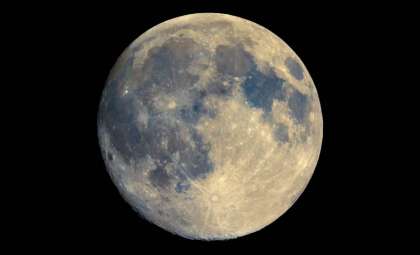
The experiment represents a crucial endeavor to unravel how complex biochemical fermentation unfolds in extraterrestrial settings—a question vital for the future of continuous human presence on the Moon. The study specifically examines the behavior of parallel multiple fermentation, a hallmark of sake production, within the 1/6th gravity environment characteristic of the lunar surface.
Exploring Microbial Fermentation Under Reduced Gravity Conditions
Sake brewing is unique because it relies on a two-stage microbial interaction: the koji mold (Aspergillus oryzae) converts rice starch to glucose, while yeast (Saccharomyces cerevisiae) simultaneously ferments sugars into alcohol. This synchronized process demands tight regulation of temperature, gas exchange, and fluid movement—parameters potentially disrupted by microgravity or partial gravity.

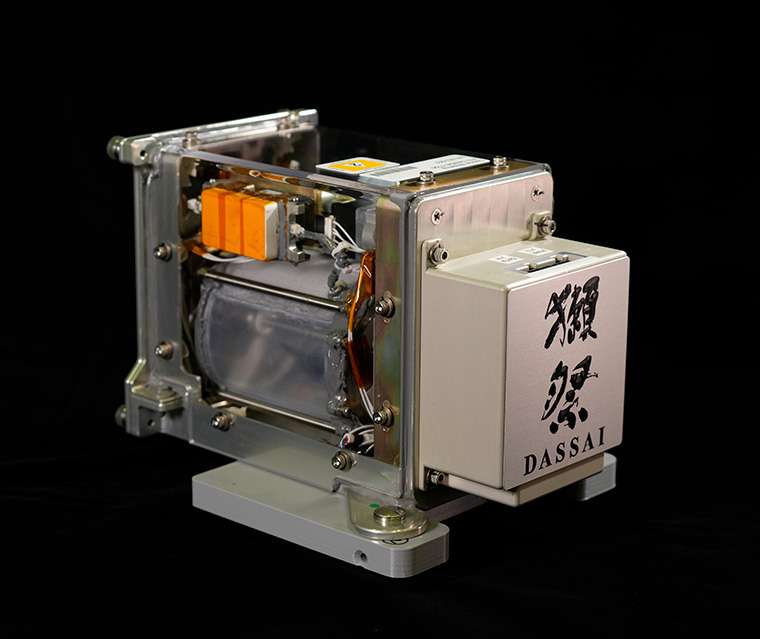
To replicate lunar gravity, scientists utilized a spinning bioreactor housed within the CBEF-L (Cell Biology Experiment Facility-Light) aboard Japan’s Kibō module on the ISS, wholly engineered by MHI. The reactor was loaded with pre-measured Yamada Nishiki rice, dried koji, yeast, and sterile water. After activation, the system autonomously stirs and sustains fermentation for roughly two weeks, with progress remotely monitored on Earth.
According to New Atlas’s detailed space fermentation feature, the capsule is equipped with sensors to continuously track alcohol levels and temperature, aiming to reach about 15% ethanol concentration, typical of sake.
Post-Experiment Analysis to Confirm Biochemical Effects
The trial is expected to produce about 520 grams of sake mash (moromi). This sample will be cryogenically preserved aboard the ISS and returned to Earth in early 2026 for thorough examination. As described on the official Dassai Moon Project site, testing will include:
- Measuring ethanol levels via gas chromatography (GC-FID)
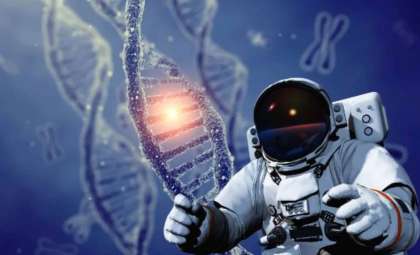
- Sequencing yeast and mold genomes (16S rRNA and ITS)
- Profiling metabolites and proteins to detect microbial alterations
- Assessing organic acids and pH to identify metabolic shifts compared to Earth conditions
These results will be compared against a control fermentation conducted on Earth with identical ingredients and conditions. Any differences in fermentation dynamics, alcohol production, or microbial health could reveal novel impacts of partial gravity on eukaryotic metabolism and enzyme-driven processes.
Advancing Biomanufacturing in Space
This research complements global efforts to develop self-contained biomanufacturing systems essential for sustainable off-world living. Programs such as NASA’s BioNutrients initiative and ESA’s MELiSSA project focus on microbial production of nutrients and supplements aboard spacecraft, a critical component for missions where Earth resupply is limited.
If this lunar sake fermentation succeeds, it could serve as a model for other efficient microbial production techniques suited to the Moon or Mars. Beyond symbolic cultural value, the process generates biomass potentially usable for enhancing lunar soil, providing dietary proteins, or supporting biogas systems within closed-loop life support frameworks.
Looking further ahead, Dassai envisions establishing a full-scale sake brewery on the Moon by 2050. This would utilize locally harvested lunar ice for water combined with Earth-imported rice, offering both nourishment and cultural connection to future lunar settlers, while pioneering decentralized biomanufacturing infrastructure for harsh extraterrestrial environments.
Building Foundational Data on Partial Gravity Fermentation
Leading the project, molecular biologist Soya Uetsuki from Dassai’s innovation team ensured full compliance with rigorous safety standards from JAXA and NASA. Uetsuki emphasized the lack of data about sake fermentation byproducts within confined low-gravity environments, necessitating comprehensive simulations and risk analyses.
The fermentation system needed to operate completely autonomously and securely, with strict containment of gas and liquid emissions throughout the mission. This bioreactor design marks a notable advancement in autonomous bioprocessing technology tailored for crewed space missions.
After the sake mash returns and undergoes analysis, findings are expected to be published in peer-reviewed journals focused on space microbiology, biochemical engineering, and gravitational biology. The research will expand understanding of eukaryotic microbial activity under partial gravity—an underexplored topic in astrobiology.
As both governmental and commercial ventures gear up for lunar missions in the 2030s and beyond, ensuring that biological manufacturing like fermentation can thrive off Earth becomes paramount. The Dassai Moon Project delivers a unique set of real-world data illuminating how terrestrial biochemistry adapts to the Moon’s environment, with implications far exceeding sake production.
- Categories:
- Space







0 comments
Sign in to Comment