
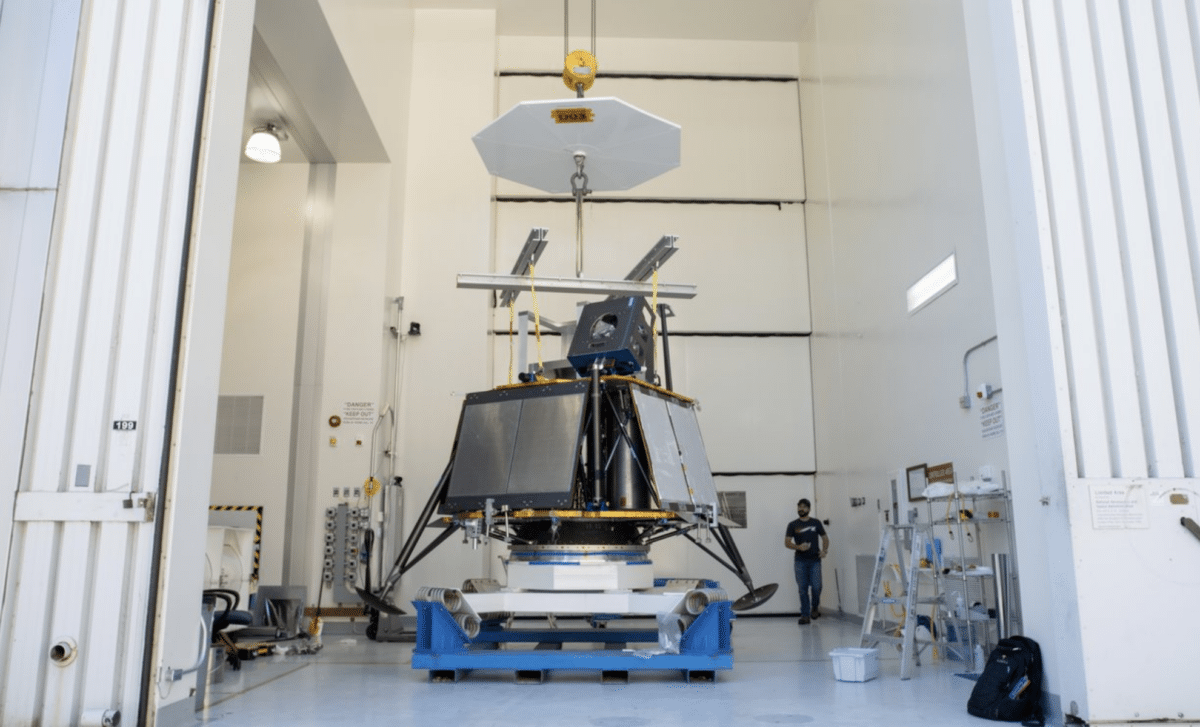
The Jet Propulsion Laboratory (JPL) at NASA is once more central to readying spacecraft for the challenges of spaceflight. In anticipation of its Blue Ghost Mission 2 targeting the Moon’s far side, Firefly Aerospace has enlisted JPL to conduct rigorous testing on its lunar lander. These simulations replicate the intense forces experienced during a rocket launch, underscoring NASA’s commitment to empowering commercial partners in lunar exploration.
JPL’s Environmental Test Laboratory: Ensuring Spacecraft Durability
The Environmental Test Laboratory (ETL) at JPL boasts a long history of subjecting spacecraft to conditions mimicking actual space environments. Over the years, it has verified the resilience of numerous missions, from Mars rovers to deep-space probes. Currently, its attention is on Firefly Aerospace’s Blue Ghost Mission 2, part of NASA’s Commercial Lunar Payload Services (CLPS) program.
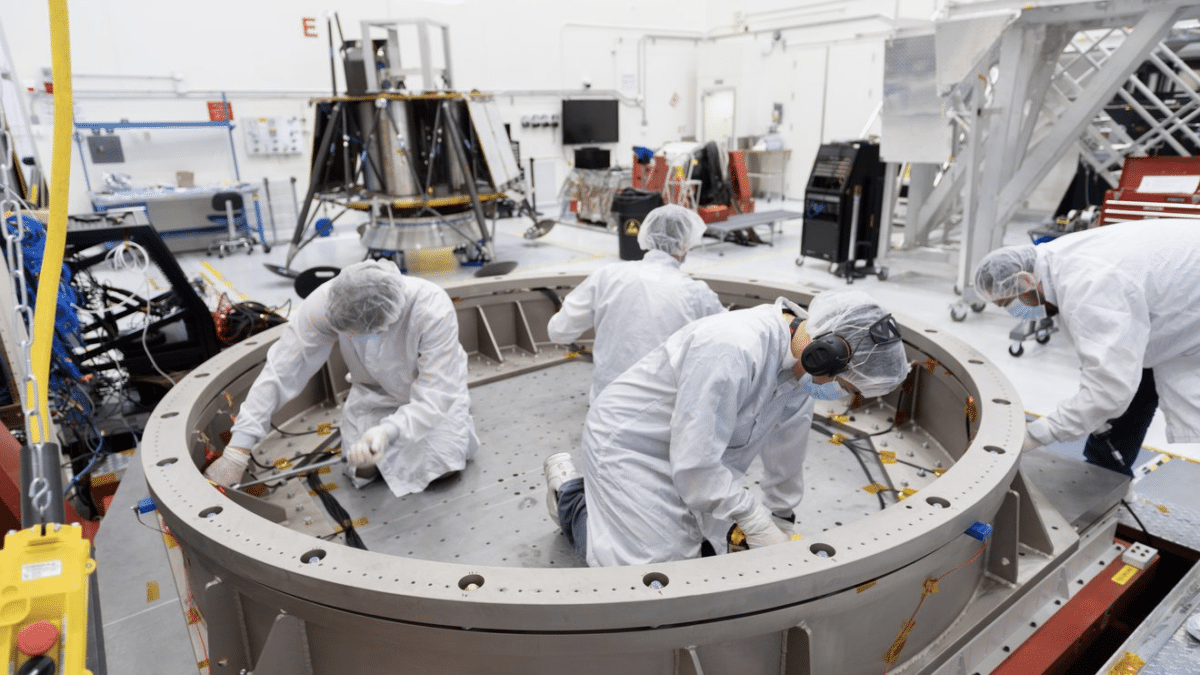
Last October, a complete mock-up of the Blue Ghost spacecraft was mounted on two lunar orbiters and exposed to a series of demanding tests. These include vibration exercises mimicking rocket-induced shaking, alongside acoustic trials that reproduce the overwhelming noise at liftoff. Such rigorous measures help confirm the lander’s ability to endure launch stresses without failure.

Michel William, a lead engineer at JPL overseeing the tests, reflected on their importance:
“Decades of hands-on expertise at JPL enhances our approach to these tests, benefitting both NASA’s missions and those of commercial partners. Many nuanced techniques essential for accurate testing aren’t taught in classrooms but are vital for mission success.”
This deep well of experience is crucial as NASA collaborates ever more closely with private aerospace companies.
Balancing Act: Rigorous Testing Without Damage
Testing spacecraft like Blue Ghost Mission 2 requires extreme care, as it involves replicating harsh launch environments while avoiding hardware damage. The lander is subjected to strong vibrations and loud sound waves that mimic rocket liftoff conditions, with testing precision being paramount.
“Striking the right testing balance is key,” William noted. “Testing too harshly risks breaking the hardware, while insufficient testing can lead to failure during launch. It’s a delicate equilibrium.”
The JPL team meticulously fine-tunes these protocols to maximize confidence in the spacecraft’s readiness for its lunar journey.
Commercial Lunar Ventures: Building Foundations for Future Exploration
Firefly’s Blue Ghost Mission 2 is a vital element in NASA’s expansive plan for enduring lunar exploration. Targeted for a 2026 launch, the mission aims to advance technologies supporting NASA’s Artemis program, which plans crewed Moon landings in the near future. Blue Ghost will transport NASA and international commercial payloads, including the LuSEE-Night radio telescope and the compact User Terminal communication system, both geared toward enhancing lunar capabilities.
Ray Allensworth, Firefly’s program director, emphasized the mission’s broader significance:
“Blue Ghost Mission 2 will carry diverse payloads that critically advance Artemis technologies and foster a sustainable lunar presence. Our collaboration with JPL for Mission 1’s rigorous environmental testing was instrumental, and we look forward to this continuing to unlock new possibilities for robotic and crewed lunar exploration.”
This effort reflects NASA’s vision of establishing a lasting Moon base, integrating commercial contributions like Firefly’s to pave the way for future robotic and human missions.
- Categories:
- Nasa






0 comments
Sign in to Comment