
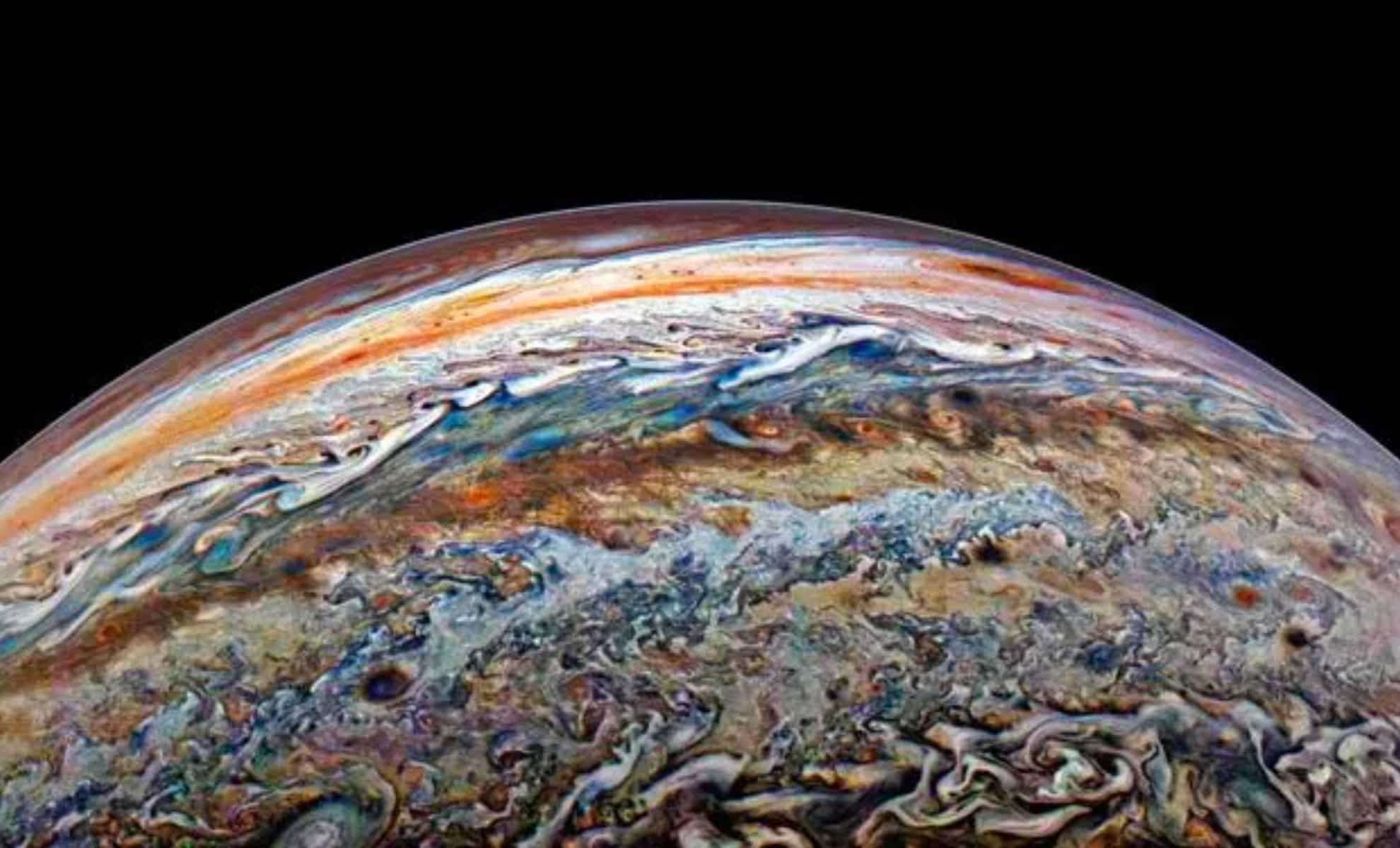
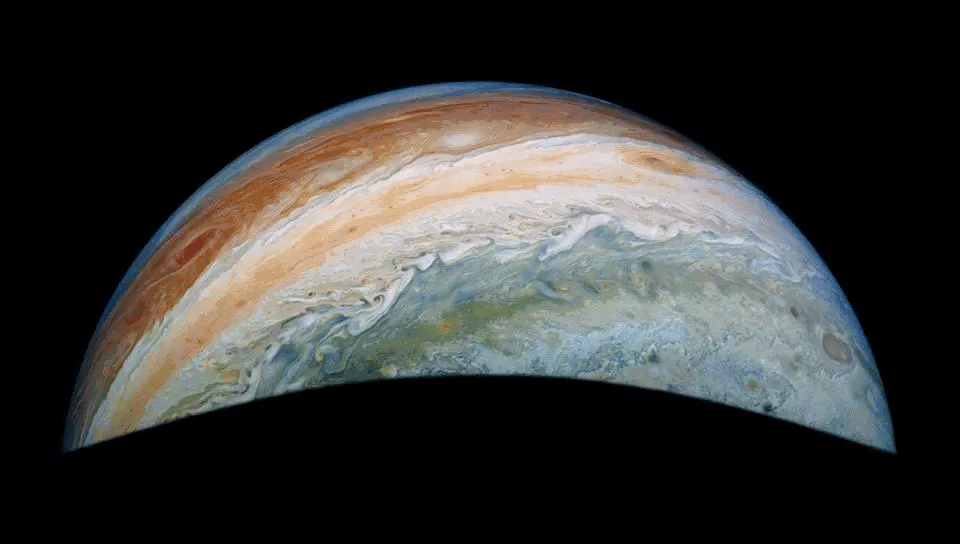
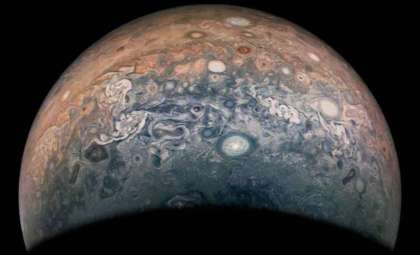
NASA’s Juno spacecraft has once again provided stunning imagery of Jupiter, showcasing the planet’s turbulent storms and swirling cloud formations with remarkable clarity. These recent pictures, taken during Juno’s 72nd close approach (perijove) on May 8, 2025, rank among the final captures before the mission reaches its conclusion later this year. Since launching in August 2011 and arriving at Jupiter in July 2016, Juno has been steadily uncovering secrets about the gas giant, delivering crucial insights into its atmosphere, magnetic environment, and satellites. The vivid images released throughout this mission not only delight the eye but also support ongoing scientific investigations. As Juno prepares for its ultimate orbits, culminating in a controlled descent into Jupiter’s atmosphere in September 2025, these photographs offer an unprecedented close-up view of the planet’s dynamic environment.
Juno Delivers Unmatched Insights Into Jupiter’s Stormy Atmosphere
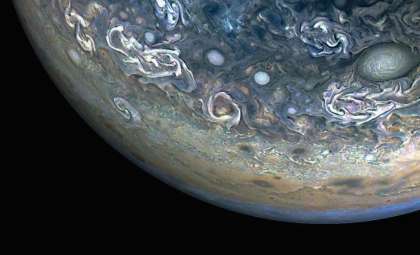
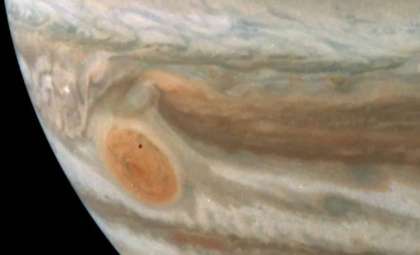
Jupiter’s atmospheric conditions are dominated by intense storms, elaborate cloud layers, and the iconic Great Red Spot, which has captivated observers for centuries. Juno’s recent flybys have generated exceptionally detailed images of this chaotic environment. The spacecraft’s JunoCam—a robust two-megapixel camera engineered to endure Jupiter’s extreme conditions—continues to function despite early overheating challenges. These images reveal Jupiter’s intricate meteorological patterns, illustrating how fierce storms interact with varying cloud belts orbiting the planet at different velocities and altitudes. Both researchers and citizen scientists have been meticulously examining these pictures to better understand storm dynamics, cloud behavior, and atmospheric phenomena. The insights gleaned contribute to refining models of gas giant weather systems and deepen comprehension of how Jupiter’s intense gravitational and magnetic forces influence its climate.
Detailed Views of Io Highlight Volcanic Activity on Jupiter’s Fiery Moon
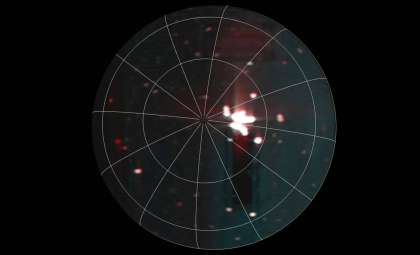
Among the extraordinary imagery collected during Juno’s latest pass is a close-up view of Io, the most volcanically active moon among Jupiter’s four Galilean satellites. Io’s intense volcanic eruptions are driven by powerful tidal forces stemming from gravitational interactions with Jupiter and its neighboring moons. Juno’s photos reveal vivid volcanic landscapes and plume eruptions on Io’s surface, offering new perspectives on its volcanic dynamics. These observations are crucial for scientists exploring tidal heating and volcanic processes, providing deeper understanding of how Jupiter’s gravity shapes its moons. Furthermore, Io’s active volcanism may influence unique chemical environments that could be significant for future astrobiological investigations. Showcasing such detail late in Juno’s mission highlights the spacecraft’s broad scientific reach beyond Jupiter itself.

Juno’s Last Orbits Set the Stage for Future Exploration of the Jovian System
The Juno mission is slated to conclude with its 76th perijove on September 15, 2025, when the spacecraft will execute a planned plunge into Jupiter’s atmosphere. This intentional descent prevents the possibility of Juno colliding with Europa, a moon believed to contain an ocean beneath its icy crust that could harbor life. After Juno’s conclusion, there will be a relative lull in direct Jupiter observations until NASA’s Europa Clipper mission arrives in 2030. Europa Clipper aims to closely examine Europa’s habitability and ice shell characteristics through multiple flybys. Following soon after, the European Space Agency’s JUICE (JUpiter ICy moons Explorer) mission is anticipated to begin its exploration in 2031, focusing on Europa, Callisto, and eventually entering orbit around Ganymede for detailed study. Juno’s pioneering work has established a strong foundation that will support and guide these upcoming missions, ensuring continued advancements in understanding Jupiter and its complex moon system.
- Categories:
- News







0 comments
Sign in to Comment