
Subtle ripple patterns etched into rocks from Morocco have uncovered evidence of ancient microorganisms thriving in deep, lightless ocean settings. These intriguing wrinkle structures—rare in rocks younger than 540 million years—were identified within Jurassic sediment layers.
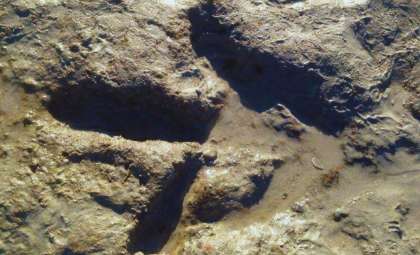
Dr. Rowan Martindale from the University of Texas at Austin made an unexpected find while exploring Morocco’s Dadès Valley. She encountered unusual ripple-like features in deep-sea sediment deposits called turbidites located in the High Atlas Mountains. Typically, such structures are linked to shallow, sunlit ecosystems dominated by microbial mats, making their discovery in ancient deepwater sediments from the Tethys Ocean surprising.
Uncovering Evidence from Greater Depths
Dr. Rowan Martindale immediately identified these small, undulating ridges as potential wrinkle structures formed by microbial mat communities. Yet their occurrence in turbidites deposited below 180 meters, far beneath sunlight’s reach, challenged established understanding.

“We’re walking up these turbidites, and this beautifully rippled bedding plane caught my eye,” Martindale recalled. Turning to colleague Stéphane Bodin of Aarhus University, she said, “These are wrinkle structures!”
Given earlier doubts surrounding similar claims from abyssal deposits, Martindale’s team conducted detailed analyses to confirm the turbidites’ sedimentary origin linked to underwater debris flows. They then scrutinized the geochemical data for further clues.
Geochemical Indicators of Microbial Life
The study published in Geology revealed elevated carbon concentrations immediately beneath the wrinkle surfaces. This organic enrichment implies active microbial presence. But without sunlight, what energy source sustained these communities?
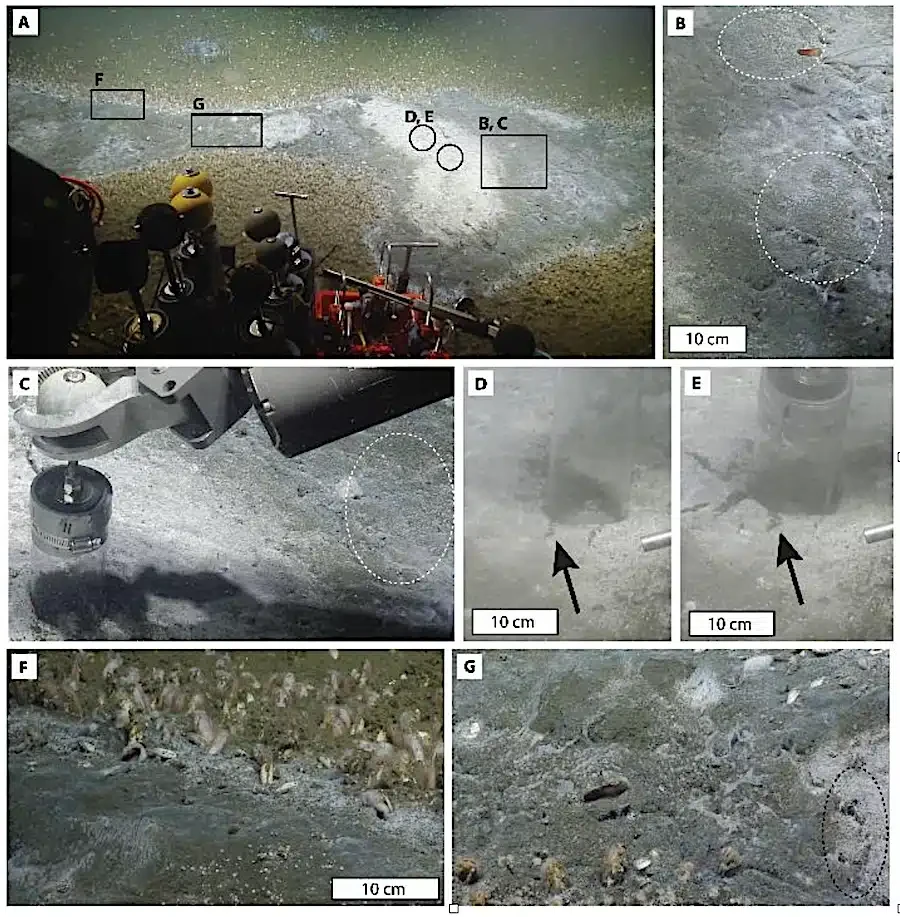
The likely explanation is chemosynthesis, where microbes gain energy from chemical reactions instead of light. Today, deep-sea bacteria thriving below 700 meters off Point Dume, California, form comparable wrinkly mats. These modern parallels support the hypothesis for Jurassic deep-sea bacterial life.
Researchers propose that chemosynthetic microbial mats grew during calm intervals between swift turbidity currents, with some mats preserved as the wrinkle textures now studied in the rock record.
Expanding the Search for Ancient Microbial Traces
This discovery has broad implications: the formation of wrinkle structures is not limited to sunlit shallow waters and might be preserved in deep, dark marine settings. As a result, paleobiologists may need to widen their exploration to locate early microbial biosignatures.
“Wrinkle structures are really important pieces of evidence in the early evolution of life,” said Martindale. According to her, ignoring their potential presence in deep-sea sediments means “we might be missing out on a key piece of history of microbial life.”
Currently, the team aims to carry out controlled laboratory studies to better grasp how these features develop under deep-sea conditions. Meanwhile, these results reveal that life imprinted its presence in far more environments than previously realized, including the challenging dark ocean zones.
- Categories:
- Science




0 comments
Sign in to Comment