
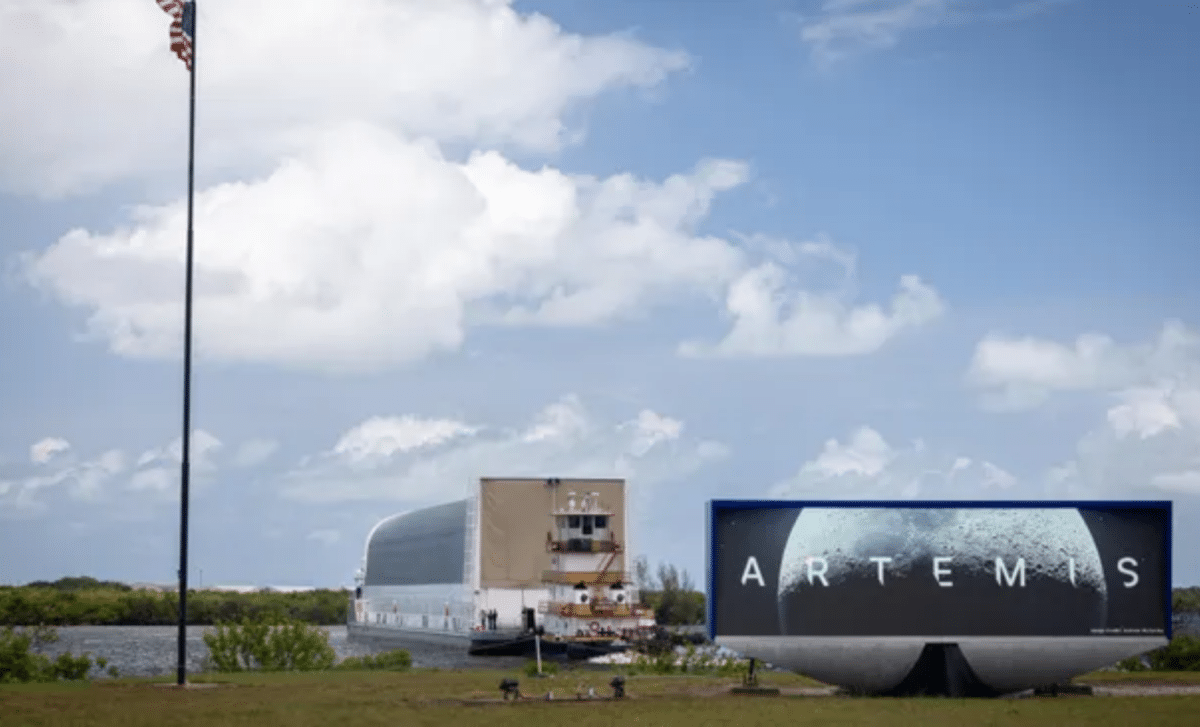
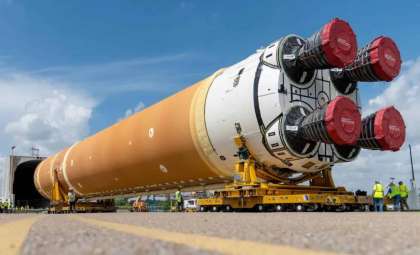
A vital section of NASA’s forthcoming deep space launch vehicle has reached a major milestone for the Artemis initiative, according to Space.com. The upper segment of the Space Launch System (SLS) core stage intended for Artemis 3 has arrived at Kennedy Space Center, moving the agency closer to its next big leap in human space travel.
End of a Long Journey at Kennedy Space Center
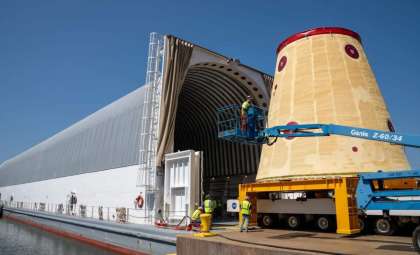
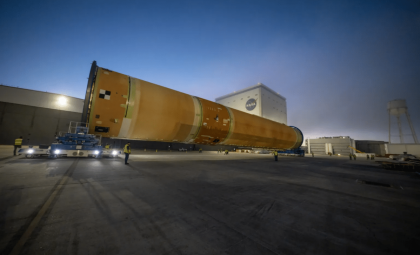
Making its way approximately 900 miles via NASA’s Pegasus barge, this enormous structure docked in Florida after a week-long trip from the Michoud Assembly Facility in New Orleans. Representing about 80% of the rocket’s core section, this piece will be part of a towering 212-foot assembly when complete.
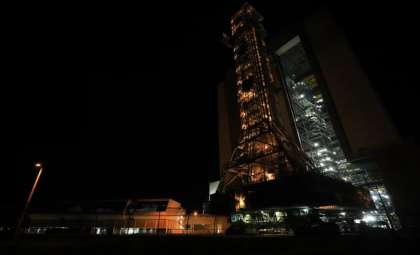
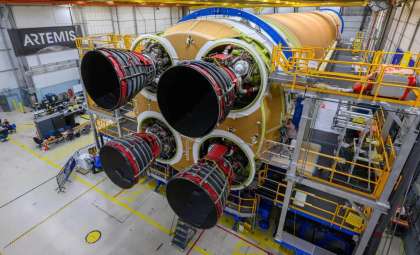
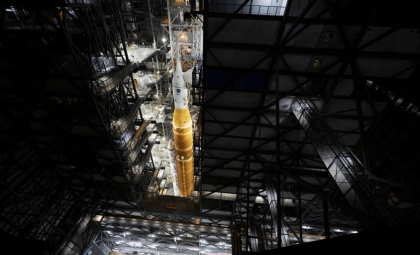
Once at Kennedy, crews are preparing to move the segment into the renowned Vehicle Assembly Building, one of the world’s largest structures by volume. Engineers will unite this new element with the engine module, a critical integration phase that turns separate parts into a cohesive launch vehicle.

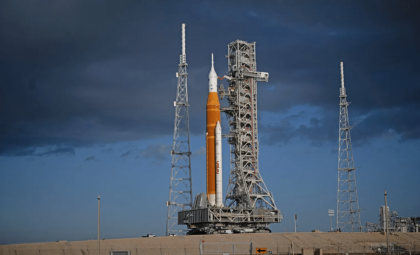
The scale of this task exemplifies the Artemis program’s grand objectives. As detailed by Space.com, the SLS rocket is NASA’s most powerful spacecraft ever created, designed to transport astronauts beyond Earth’s orbit for the first time in decades. Every action, connection, and test is orchestrated to ensure mission success through precise execution.
Artemis 3’s Role: Orbit Testing, Not Lunar Landing
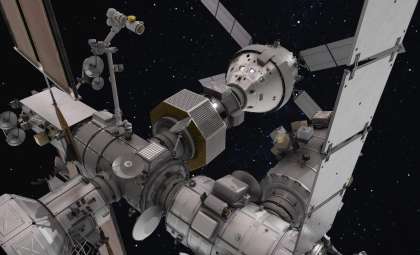
Although part of NASA’s lunar exploration efforts, Artemis 3 will not land on the Moon. Instead, this mission will stay in Earth’s orbit to test rendezvous and docking with commercial lunar landers.
This involves spacecraft developed by SpaceX and Blue Origin, notably the Starship and Blue Moon vehicles. These landers are integral to NASA’s long-term plan to ferry astronauts from orbit to the Moon’s surface.
The choice to keep Artemis 3 in orbit highlights the challenges of integrating multiple spacecraft systems from different manufacturers. Docking sequences, life support compatibility, and timing must be validated before attempting a lunar touchdown.
Schedule Adjustments Reflect Technical Hurdles
NASA initially targeted a mid-2027 launch for Artemis 3, but this has shifted toward the end of 2027 due to the need for Starship and Blue Moon to be fully operational.
Delays of this nature are expected for programs of such scale. Combining government-built assets like the SLS with landers developed by private companies introduces complex dependencies. Each system must pass rigorous safety and performance standards before integration proceeds.
This updated timeline highlights the evolving landscape of space exploration, where partnerships between public agencies and private enterprises drive progress. It also demonstrates NASA’s commitment to mission reliability over rapid deployment.
Following Artemis 2’s Milestone Flight
The advancement toward Artemis 3 comes on the heels of the successful Artemis 2 mission, which launched four astronauts on April 1 and concluded with a splashdown in the Pacific Ocean on April 10. It was the first crewed mission to travel beyond low Earth orbit since 1972.
During the mission, the crew journeyed a record 252,760 miles from Earth, venturing further into space than any humans before them. This flight validated the performance of both the SLS rocket and the Orion spacecraft under real conditions.
These achievements provide essential confidence for the next steps. Artemis 3 will expand these efforts, focusing on testing vehicle interactions crucial for returning to the lunar surface.
The Next Milestone Toward Lunar Return
Though Artemis 3 will remain in orbit, its mission is critical. It acts as the gateway between initial tests and the future landing of astronauts on the Moon, a milestone anticipated with Artemis 4, possibly launching as soon as 2028.
By that time, NASA expects a commercial partner to be fully prepared to transport astronauts to the lunar surface. The current phase of hardware deliveries, assembly, and orbital testing lays the groundwork for these future landings.
The delivery of the SLS core stage to Florida is more than a logistical update—it signals steady progress toward establishing a lasting human presence beyond Earth, enabling deeper exploration into our solar system.
- Categories:
- Nasa


0 comments
Sign in to Comment