
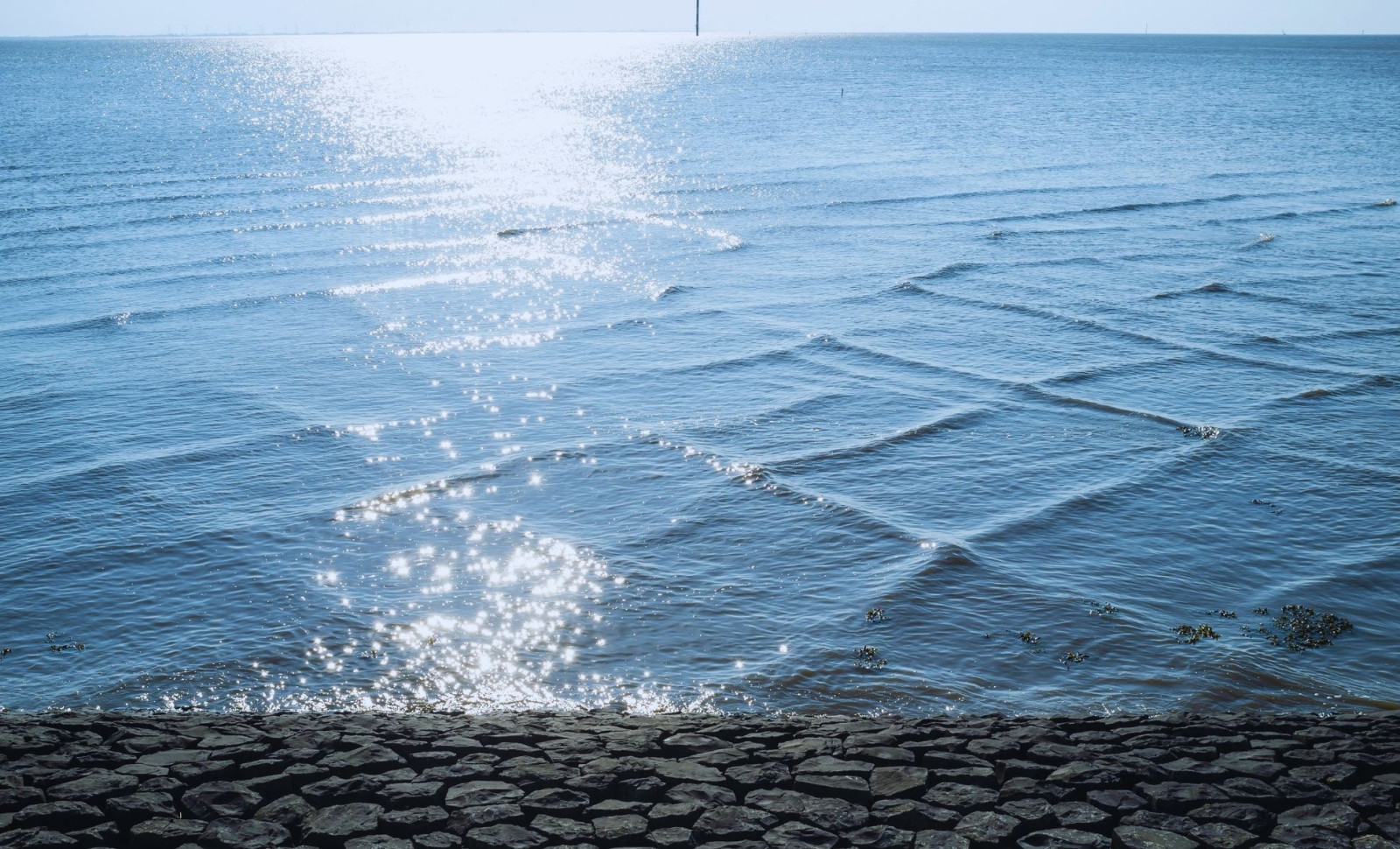
On January 13, 2026, an unusual grid-like wave formation emerged across Lake Michigan's surface, captured on video and quickly gaining attention online. This intriguing spectacle, known as square waves, is both visually captivating and potentially treacherous.
Recorded near Indiana’s shoreline, the footage reveals water patterns creating nearly perfect right-angle intersections, an uncommon occurrence that piqued widespread interest and speculation. According to AccuWeather, these geometric waves were clearly observable from the coast, offering an almost otherworldly view of the lake.
As news outlets circulated the video, Futura-Sciences compared the display to a “matrix-like” glitch. Beyond its striking looks, this event highlights the complex interaction of natural forces rarely captured so vividly.

The Science Behind Intersecting Wave Patterns
The unique grid pattern on Lake Michigan arises from a phenomenon called a cross sea, where two distinct wave systems collide at differing angles. As reported by Futura-Sciences, this occurs when waves originating from separate wind directions or weather events overlap.
Each wave set preserves its own path, generating an interlacing pattern on the water’s surface. This creates a checkerboard visual effect, especially prominent when viewed from an elevated perspective or afar. Though most commonly observed in marine environments, such wave interactions can also happen in large lakes like Michigan, where the scale is sufficient to support these complex dynamics.
Striking Yet Potentially Dangerous Wave Formations
Despite their calm and hypnotic appearance, square waves pose significant hazards. AccuWeather explains that intersecting wave directions create unpredictable and unstable water conditions.
Boaters navigating these waters face forces pulling in multiple directions, elevating the chance of losing control. Swimmers also confront erratic currents that can quickly become overwhelming.
The orderly appearance of these waves belies the turbulent activity beneath, a contrast that deepens the fascination with this phenomenon.
How Specific Conditions Give Rise to Square Waves
Square waves on Lake Michigan result from fluctuating wind patterns blowing across its broad expanse. The lake’s extensive size and open exposure make it particularly prone to the formation of overlapping wave systems.
When shifts in wind direction or multiple weather patterns affect the lake simultaneously, waves move along varying axes. Their intersection leads to the distinctive geometric patterns observed in recent videos.
Such alignments are infrequent and usually brief but provide scientists with a fascinating glimpse into the complexity of natural water movements whenever they occur.
- Categories:
- Science











0 comments
Sign in to Comment