
During the summer of 1831, renowned German composer Felix Mendelssohn documented an extraordinary climatic anomaly while journeying through the Alps. He witnessed unexpected winter conditions, with unusually low temperatures and heavy snow blanketing the region—a stark contrast to typical summer weather.
This odd weather pattern was observed widely across the Northern Hemisphere, where a sudden temperature plunge caused agricultural failures and widespread distress.
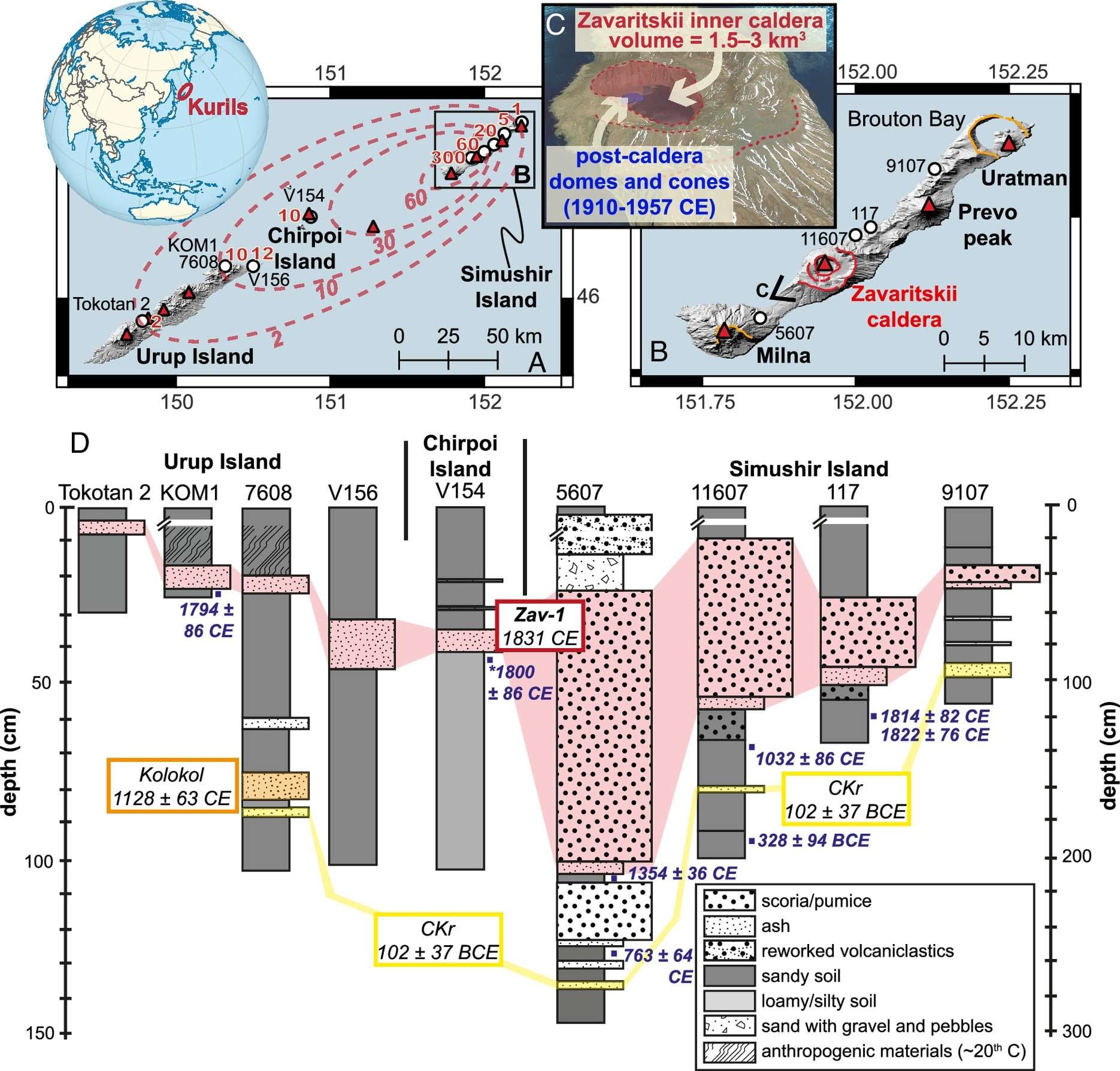
For nearly two hundred years, researchers speculated that a volcanic eruption had triggered this abrupt cooling, but the source remained elusive. Now, scholars at the University of St Andrews have pinpointed the culprit—the Zavaritskii volcano, located in Russia's Kuril Islands.

A Forgotten Volcanic Event Resurfaces
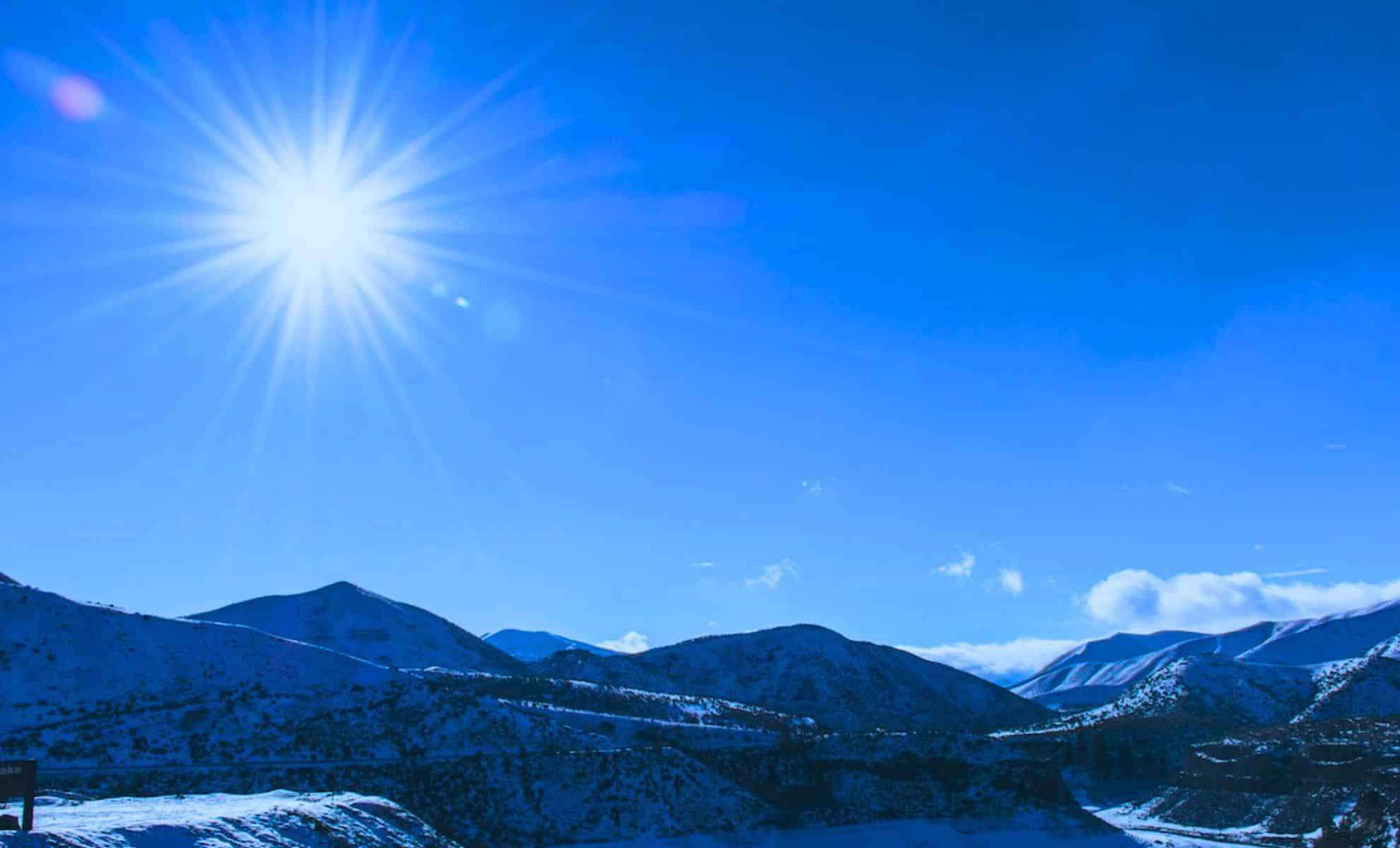
Throughout the spring and summer months of 1831, an unidentified volcano released a massive volume of sulfur dioxide into the atmosphere, causing a fleeting yet notable global cooling effect that disrupted weather systems. Contemporary accounts describe the Sun adopting an unusual blue, violet, or green tint, an optical phenomenon resulting from volcanic aerosols scattering sunlight.
Despite its striking appearance, the color change was overshadowed by the devastating impact on agriculture. The temperature drop led to widespread crop failures, food scarcity, and famines concentrated mainly in the Northern Hemisphere.
Although volcanic activity was suspected as the cause, researchers lacked precise records to identify the specific eruption. Various candidates were considered, such as the submarine Ferdinandea volcano near Sicily and Babuyan Claro in the Philippines, but neither fit the climatic evidence perfectly.
Cutting-Edge Analysis Reveals the Culprit
The mystery began to unravel when a team led by Dr. William Hutchison at the University of St Andrews utilized state-of-the-art geochemical methods to study ice cores extracted from the polar regions. By isolating and examining microscopic volcanic ash trapped in these cores and comparing their chemical signatures to known volcanic deposits, the team narrowed down the source.
Initial analysis suggested volcanic activity in Japan, but no significant eruptions were recorded there in 1831. This prompted researchers to focus on the Kuril Islands, a volcanic chain controlled by Russia.
Samples from the Zavaritskii volcano, previously collected by Russian scientists, were examined alongside the ash from the ice cores. The geochemical signatures matched perfectly, marking a pivotal discovery. Dr. Hutchison described this moment as:
“The moment we analyzed both ashes together, one from the volcano and one from the ice core, was a true ‘Eureka’ moment. The numbers were identical.”
Implications for Predicting Future Volcanic Impacts
Uncovering the origin of the 1831 climatic anomaly sheds light on the potential environmental consequences of large volcanic eruptions. Dr. Hutchison warns that similar events could occur again, with uncertain effects on today's interconnected global society.
“There are many volcanoes with the potential to trigger a similar global cooling event. Predicting when and where the next major eruption will happen remains extremely difficult,” he explains.
This revelation highlights the importance of global readiness. A future eruption of comparable magnitude could drastically alter weather patterns worldwide, risking agricultural productivity, infrastructure, and economic stability. Ongoing studies of historic eruptions aim to enhance prediction models and develop effective mitigation strategies for such volcanic disturbances.
While solving the mystery of the 1831 event advances understanding, many uncertainties persist regarding the frequency and severity of these phenomena. This research reaffirms the profound link between Earth's geological forces and climate, emphasizing the need to learn from the past to better brace for the future.
- Categories:
- Science











0 comments
Sign in to Comment