

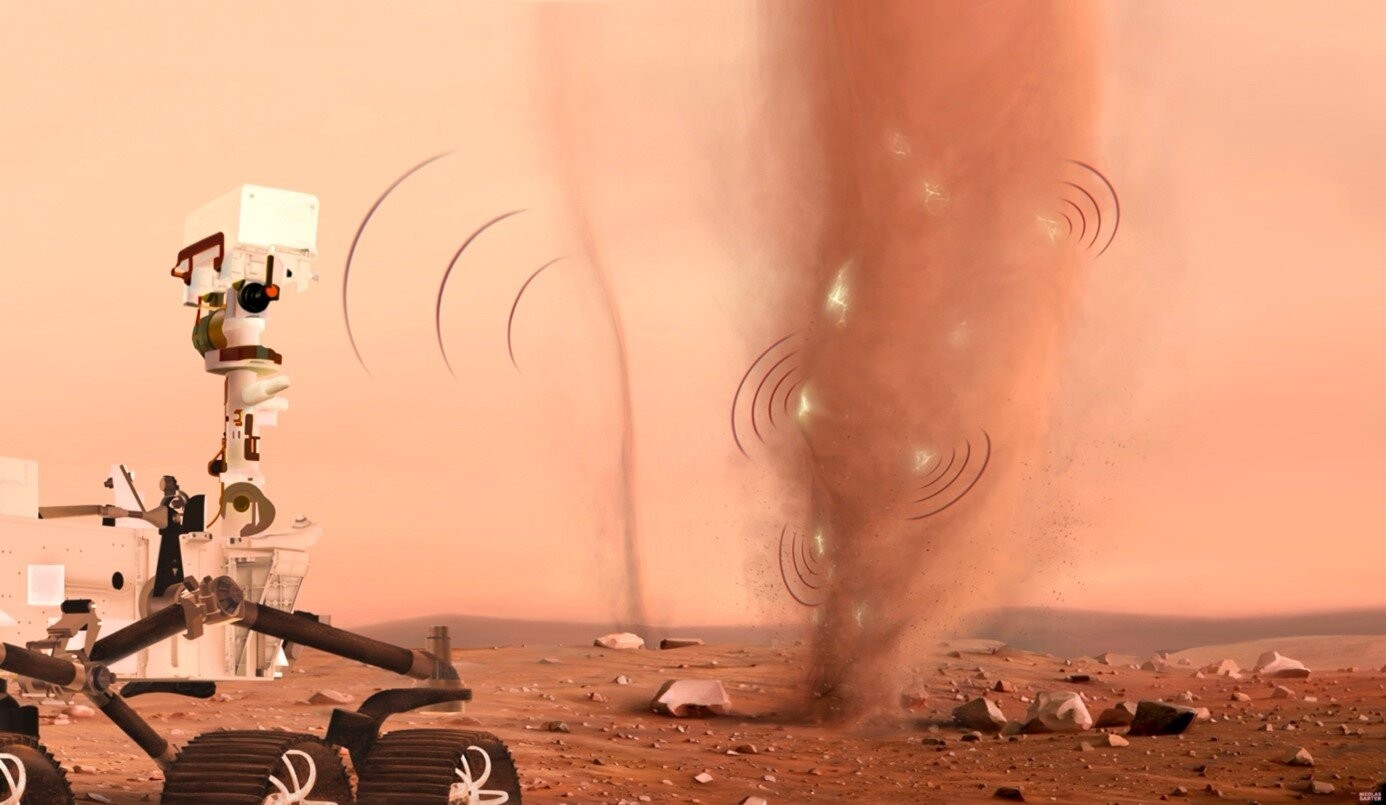
NASA’s Perseverance rover has made an astonishing discovery: electrical sparks, potentially akin to lightning, have been identified on Mars. These crackling sounds were picked up by the rover’s microphone, marking the first direct signs of electrical phenomena on the Red Planet. This revelation points to a far more dynamic atmospheric environment than previously imagined.
Perseverance’s Surprising Detection
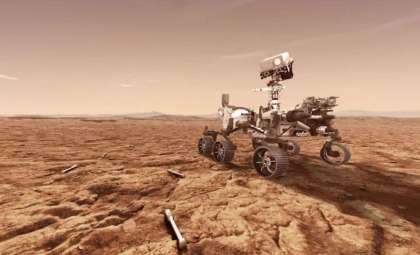
After touching down on Mars, Perseverance set out to fulfill a broad scientific agenda—from gathering geological specimens to hunting for evidence of past life. However, no one anticipated it would also record electrical discharges. The recent Nature publication reveals that the rover’s microphone detected unusual crackling sounds now attributed to lightning-like events. This marks the very first direct capture of such phenomena, representing a major scientific milestone.
While lightning on Mars once seemed like science fiction, thorough analysis of the data reveals a more complex reality: Mars may host more active and varied weather patterns than scientists once credited.

“These discharges represent a major discovery, with direct implications for Martian atmospheric chemistry, climate, habitability and the future of robotic and human exploration,” said planetary scientist Baptiste Chide of the Institute for Research in Astrophysics and Planetology in France.
Exploring the Source of These Electrical Events
Mars possesses a notably thin carbon dioxide-based atmosphere, much less dense than Earth’s, making it challenging to observe electrical phenomena like lightning. Nonetheless, the newly detected crackles suggest that Martian air can sustain electrical activity, probably connected to its frequent dust storms. These storm events are thought to generate static charges, somewhat similar to Earth's thunderstorm mechanisms.
NASA explains that the underlying process behind these discharges is under active investigation, but evidence points toward collisions between dust particles in Mars’ atmosphere building up charges that result in lightning-like sparks.
“What’s more, these electrostatic discharges could pose a risk to the electronic equipment of current robotic missions – and even a hazard for astronauts who one day will explore the Red Planet,” Chide added.
While researchers have long theorized about the link between dust storms and electrical discharges, having direct auditory evidence from Perseverance breathes new life into the hypothesis. Confirming this could transform our understanding of Martian meteorology.
- Categories:
- Space




0 comments
Sign in to Comment