
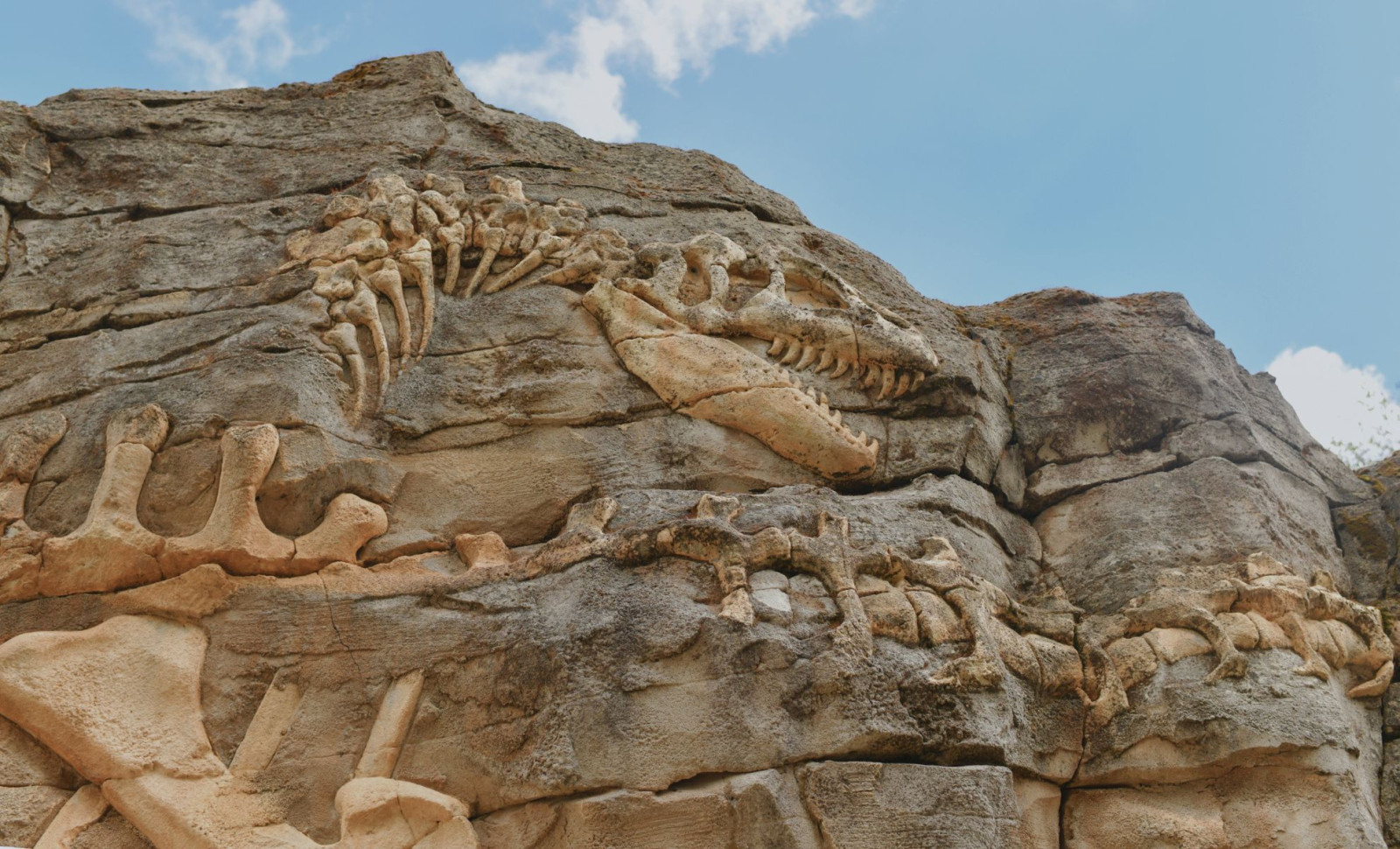
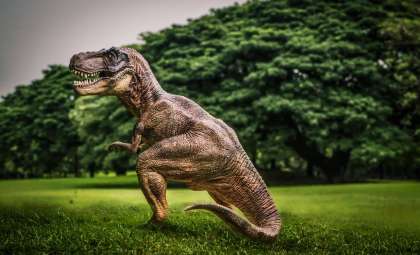
In the Sichuan Basin of China, paleontologists have uncovered a gigantic dinosaur that showcases the extraordinary size land animals could achieve. Named Tongnanlong zhimingi, this dinosaur likely measured up to 92 feet in length, ranking it among the largest creatures ever discovered.
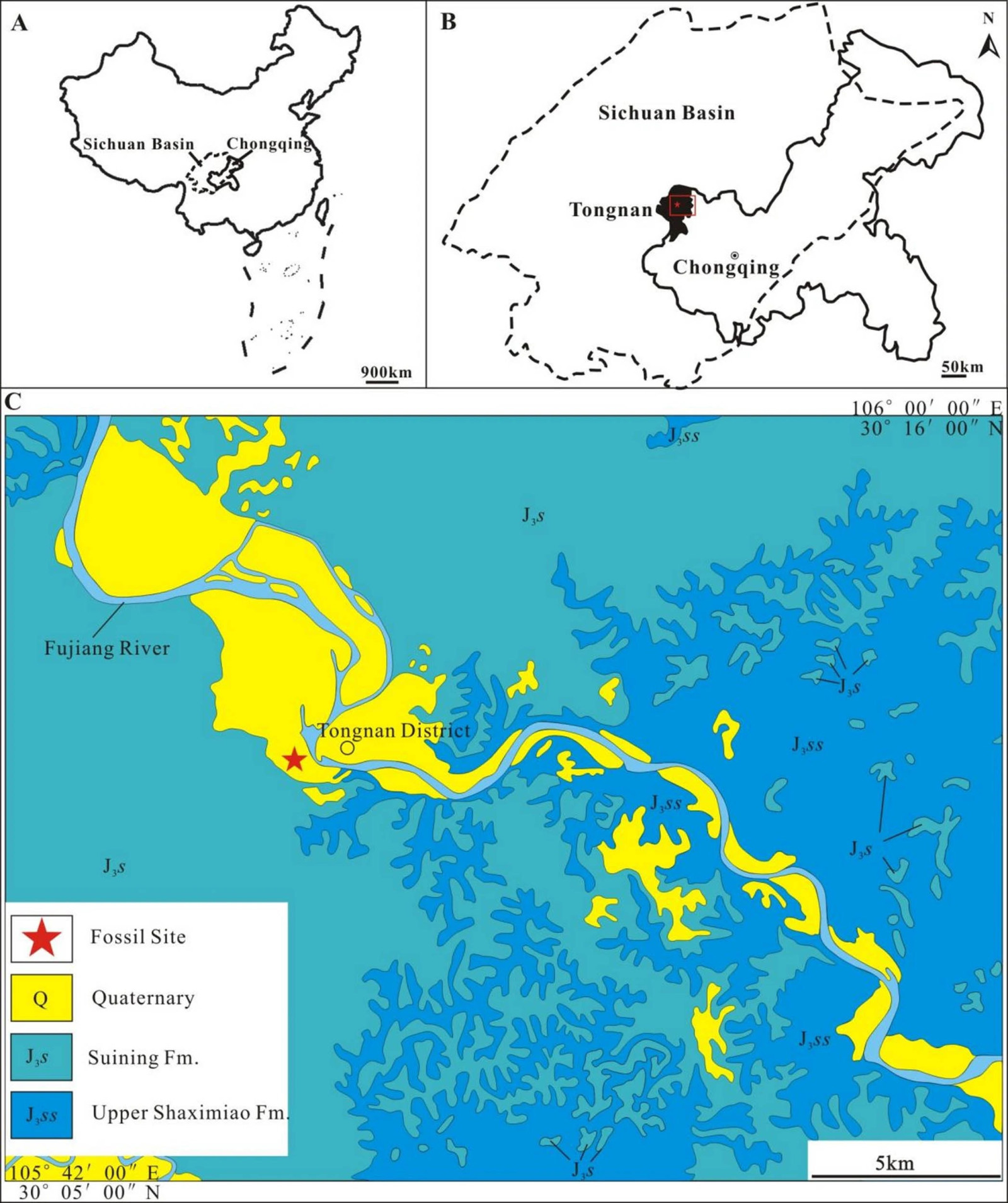
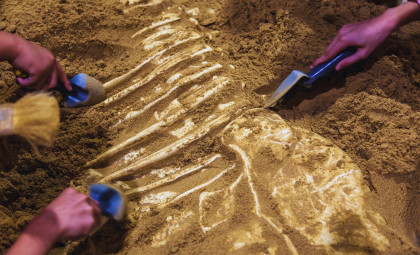
The fossil was found in Chongqing’s Tongnan District, within the Suining Formation, which dates back roughly 147 million years. As reported in Scientific Reports, the initial discovery of the bones occurred during construction activities, followed by a detailed excavation led by Xuefang Wei from the Chengdu Center of China Geological Survey.
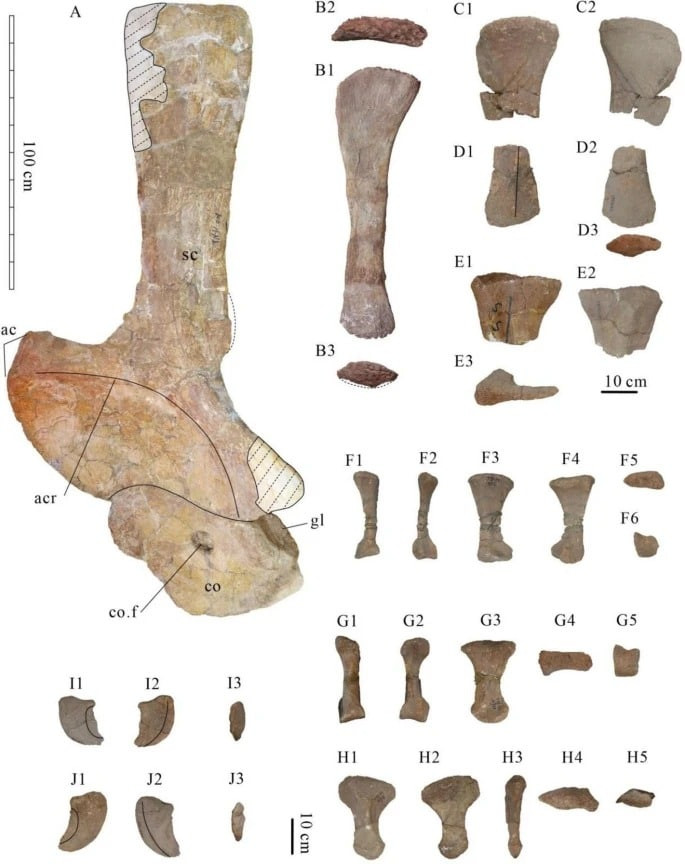
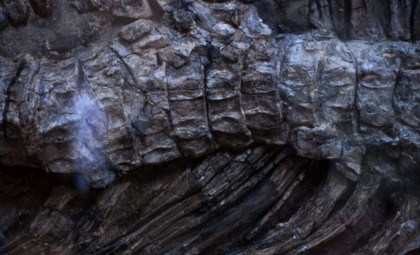
Though incomplete, the skeleton includes crucial elements such as vertebrae, parts of the shoulder blade, and leg bones, enabling researchers to reconstruct the animal's size and build.

Anatomy Adapted for Gigantic Scale
Tongnanlong zhimingi belongs to the Mamenchisauridae family, a group of long-necked dinosaurs characterized by relatively lightweight bones. These dinosaurs have distinctive air-filled cavities within their bones, a feature that reduces their overall weight while maintaining structural strength.
The study, available in Scientific Reports, used bones like the scapula and fibula to estimate the dinosaur’s length, placing it between 75 to 92 feet. These bones typically correlate well with total body size in sauropods. Additionally, the vertebrae show reinforcement that would have supported the enormous body.
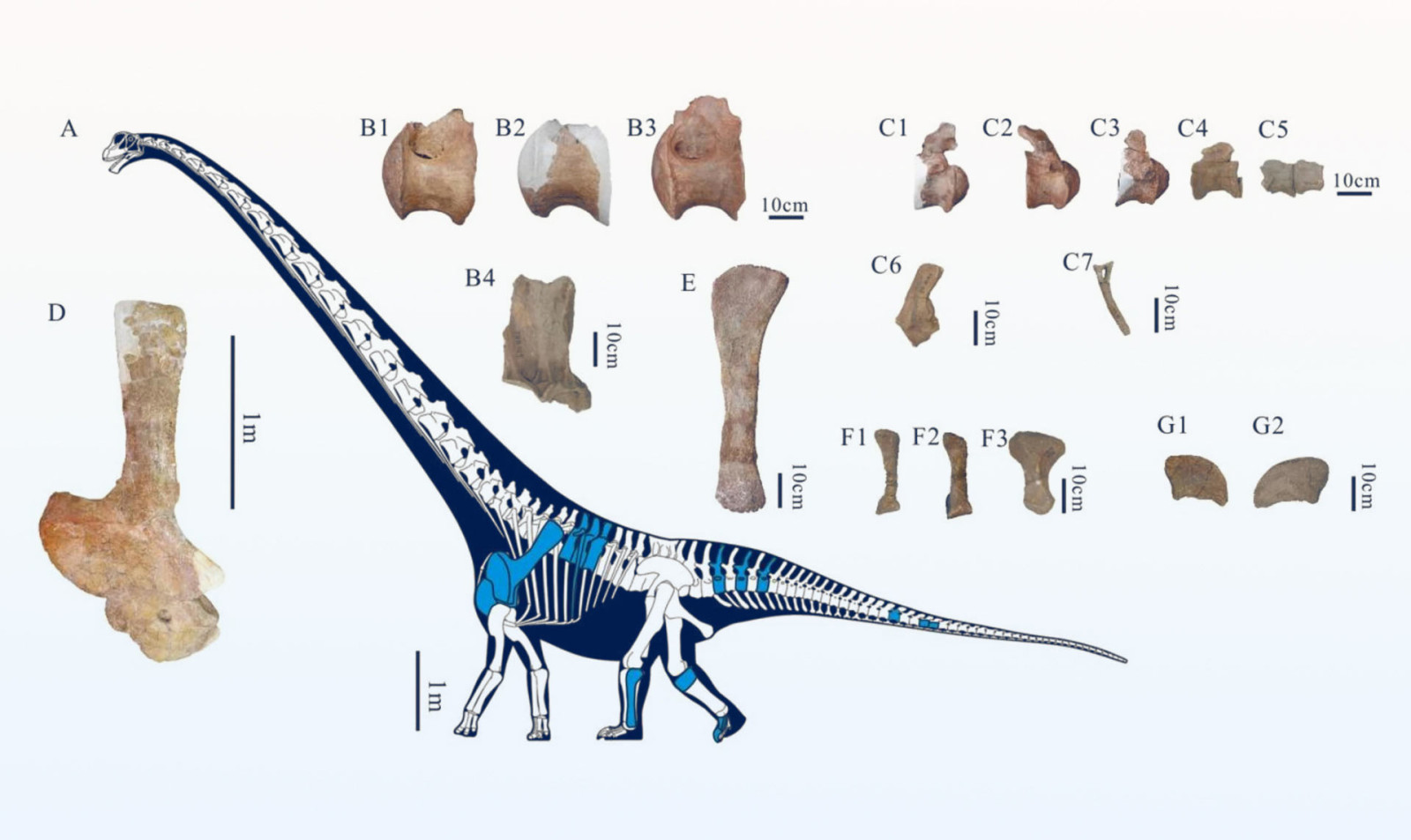
Despite the fragmentary nature of the remains, the structural features align with other gigantic sauropods known to science.
“Sauropods were gigantic, quadrupedal herbivores and the largest terrestrial dinosaurs ever existed,” said Dr. Xuefang Wei and colleagues. “They appeared in the Late Triassic, achieved a global distribution by the Middle Jurassic, and finally died out at the end of the Late Cretaceous.”
A Rich Wetland Ecosystem
The fossil’s context sheds light on how such a massive creature could thrive. The Suining Formation consists of mudstone and sandstone layers marked with ripple patterns indicative of a lakeshore environment. As highlighted by Earth.com, fossils of freshwater organisms like bivalves, conchostracans, and turtles were discovered in the same strata, suggesting a lush wetland habitat abundant with water and vegetation.
The fossil’s excellent preservation indicates the dinosaur likely died and was buried close to the spot where it lived, with its skeletal remains showing minimal disturbance. This suggests rapid sedimentation covered the bones soon after death, protecting them from significant movement.
Such preservation points toward a stable, calm environment where the remains remained undisturbed, indicating this dinosaur likely inhabited the region rather than being transported there.
Rethinking Dinosaur Distribution in East Asia
This find also informs the ongoing debate about whether East Asia was geographically isolated during the Jurassic period, a theory known as the East Asian Isolation hypothesis.
Similar mamenchisaurid dinosaurs, such as Wamweracaudia keranjei, have been found in Tanzania’s Tendaguru Beds, suggesting these dinosaurs were more widely distributed rather than restricted to one area.
“Mamenchisauridae was distributed globally in the Late Jurassic rather than an endemic fauna which was previously considered limited to East Asia,” the authors said.
The presence of similar species on different continents simultaneously could alter scientific perspectives on dinosaur evolution and migration patterns.
“Tongnanlong zhimingi enriches the diversity of eusauropods and provides new information on the understanding of the sauropod diversity and evolutionary trend from the Middle Jurassic to the Late Jurassic when their bodies became larger.”
- Categories:
- Science



0 comments
Sign in to Comment