
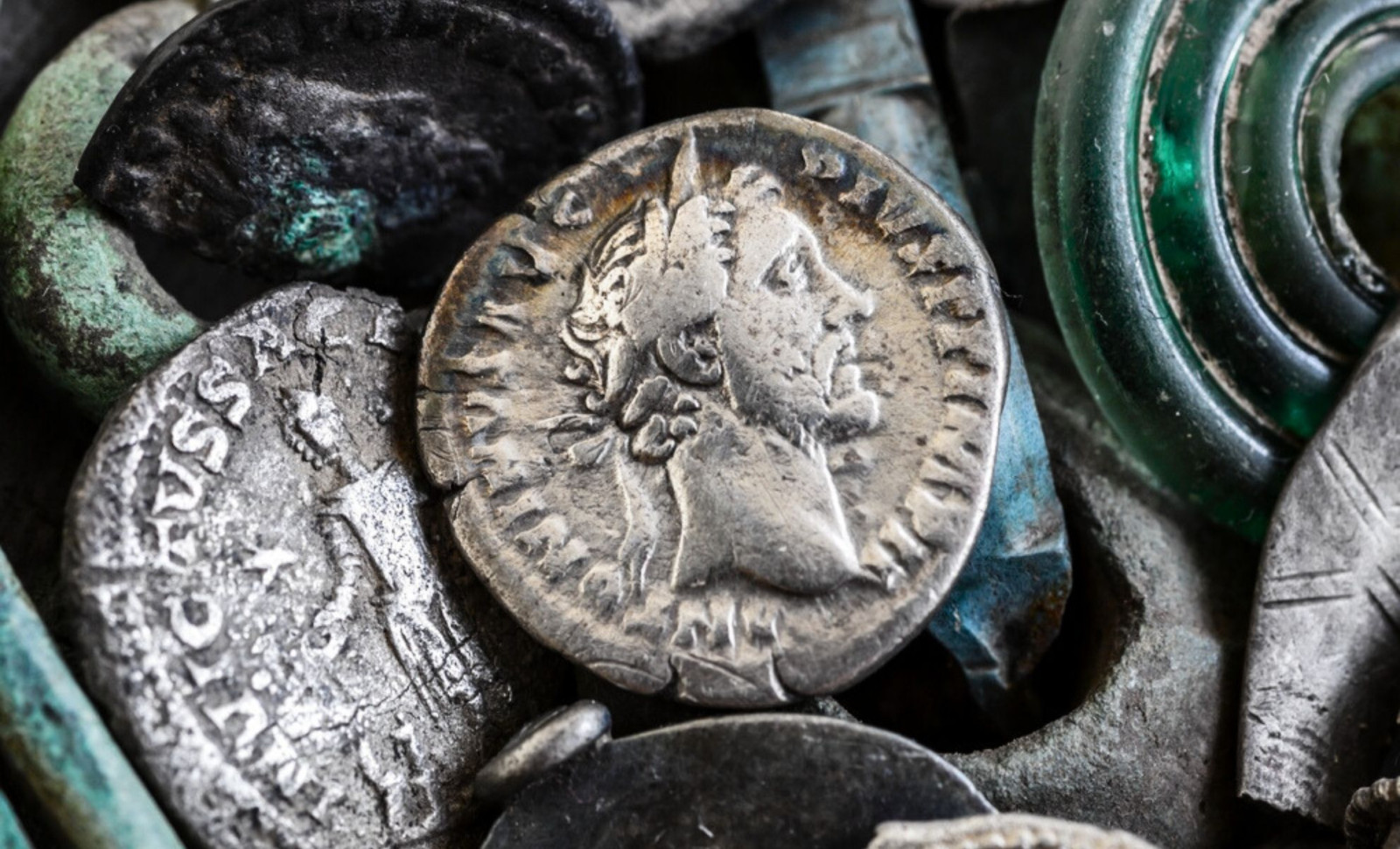
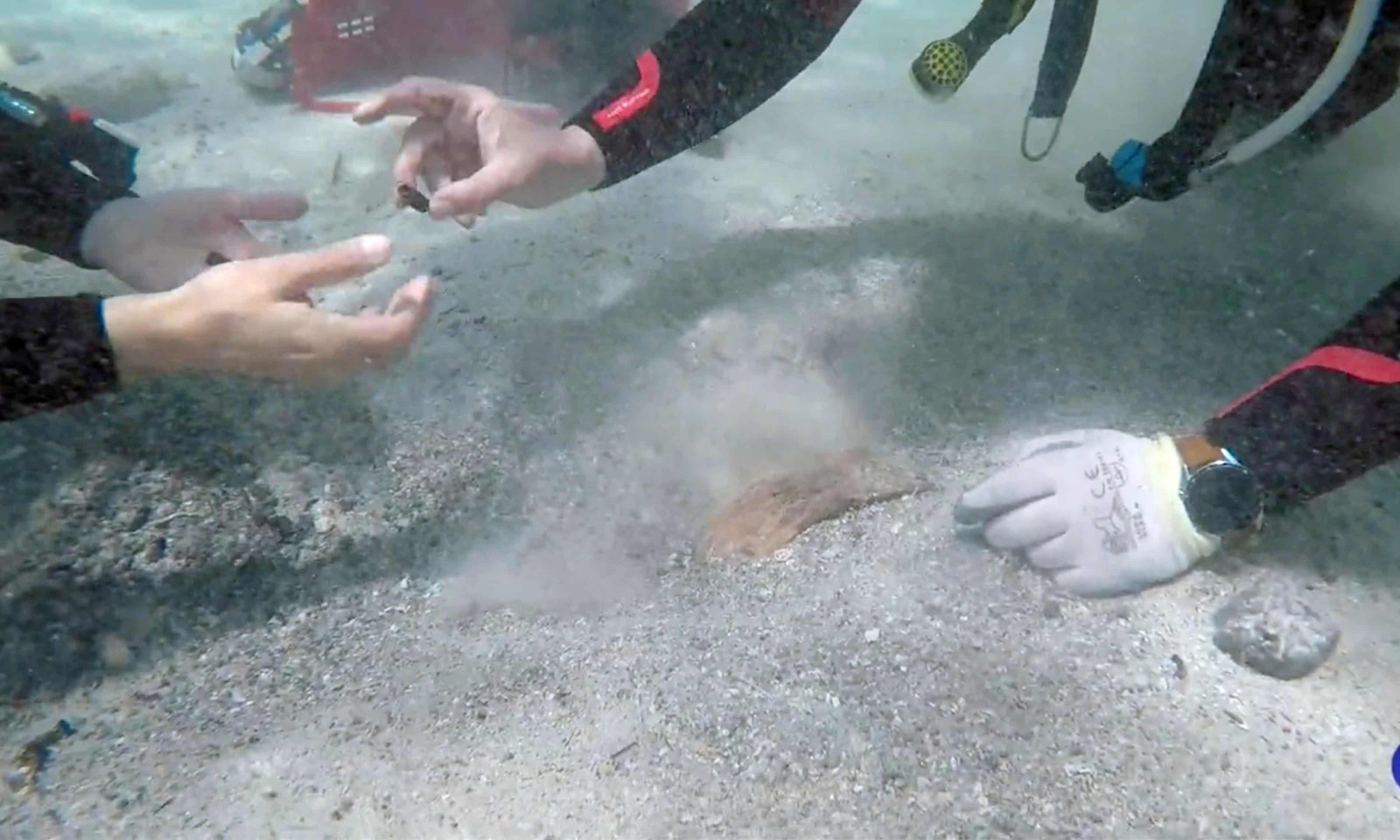
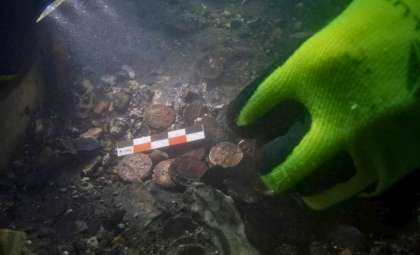
Beneath the serene waters off Sardinia’s northeastern shore, researchers uncovered an astonishing archaeological treasure following a diver’s lucky sighting of a metallic glimmer amidst the underwater meadows. This discovery led to an organized excavation that unearthed tens of thousands of Roman bronze coins scattered across a shallow seabed near Arzachena.
Early investigations revealed that the coins were spread across the sandy substrate, suggesting either a sudden cargo spill or an unrecorded shipwreck event. Fragments of amphorae found among the coins hint at a maritime incident involving ancient trade vessels traversing one of the busiest commercial seas of antiquity.
Unparalleled Late Roman Coin Hoard Found in the Area
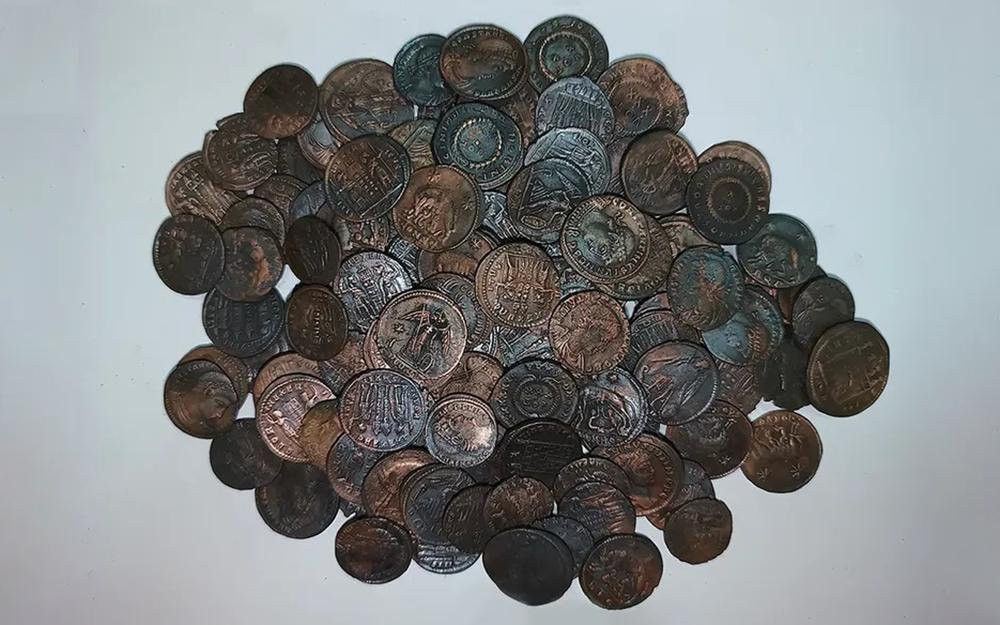
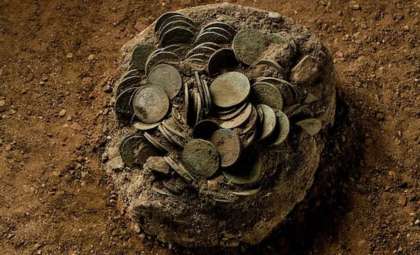
Under the guidance of Italy’s Ministry of Culture and with assistance from the Carabinieri’s underwater heritage unit, archaeologists successfully retrieved an estimated 30,000 to 50,000 bronze follis coins. These coins, dated to between AD 324 and 340, correspond to the reign of Emperor Constantine the Great and his sons, signifying Sardinia’s importance within late Roman economic networks and its vital role in circulating currency and goods.

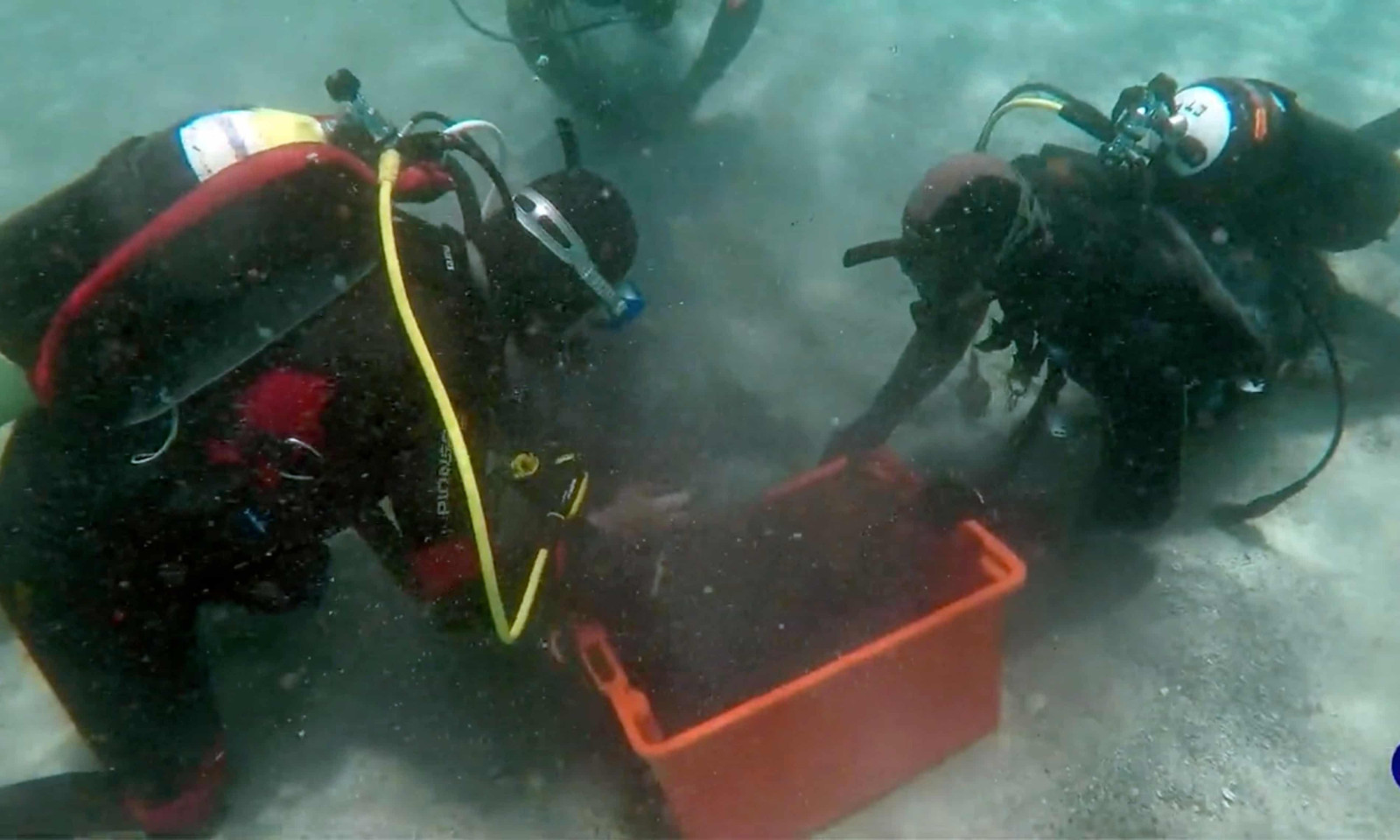
The coins were primarily found within two distinct sediment layers, separated by thick beds of Posidonia oceanica seagrass. This unique underwater environment slows artifact degradation by creating oxygen-poor conditions that preserve metal objects remarkably well. As a result, many coins exhibit legible inscriptions and detailed designs.
According to a comprehensive article in The Guardian, the total weight of this cache is estimated between 140 and 160 kilograms. This surpasses previous major finds like the UK's Seaton Down Hoard, which contained just 22,888 coins, marking this as the largest hoard discovered in the western Mediterranean basin.
Origins Linked to Ancient Trade Routes
Maritime archaeologists analyzing the site observed that coin clusters lie predominantly in shallow waters near sandbanks and the edge of seagrass patches. The dispersion pattern implies the coins spilled from damaged containers, possibly linked to the sinking of a merchant ship during late antiquity. The rare presence of amphora shards in the vicinity supports the theory of a commercial cargo loss, although the lack of wooden fragments complicates precise ship identification.
These amphora pieces likely originate from North African and Eastern Mediterranean regions, indicating the shipment may have included staple goods like wine or olive oil from various Roman provinces. As noted by Archaeology Magazine, this finding illustrates the extensive economic integration across the empire’s sea lanes during the fourth century.
Positioned along a well-documented shipping corridor connecting Italy, Hispania, and the Levant, Sardinia’s coastal waters reinforce its historical function as a key redistribution point within the western empire’s supply chain.
Outstanding Preservation Offers New Research Opportunities
Despite centuries submerged, the bronze coins remain remarkably intact, with only a handful showing signs of damage and all inscriptions still readable. The surrounding Posidonia seagrass likely played a critical role in their conservation by creating oxygen-depleted microenvironments that reduce corrosion and artifact displacement.
As detailed in Live Science, the hoard is undergoing conservation efforts with specialists examining mint marks, elemental makeup, and production sites. These indicators can trace the flow of currency and offer insights into the late Roman Empire’s economic networks spread across military, civil, and commercial sectors.
Current metallurgical analyses aim to decipher the alloy compositions to identify potential local minting variations or counterfeit coins, phenomena typical in times of financial strain during the later Roman period.
Broader Impact on Roman Economic and Cultural Studies
This monumental hoard not only sets a new record for Roman coin discoveries but also raises questions about the empire’s maritime logistics, fiscal systems, and resource allocation during the transition from Diocletian’s reforms to Constantine’s reign. Ongoing research is expected to shed light on currency circulation patterns and imperial economic resilience strategies.
Italian cultural authorities have called for enhanced safeguards for submerged archaeological sites across the Tyrrhenian Sea. This remarkable find has already spurred joint efforts to develop advanced remote sensing and seabed mapping technologies aimed at protecting similar underwater relics from unregulated disturbances.
Additional explorations planned through 2026 will strive to recover further ship remains or associated cargo, providing critical clues about whether this extraordinary coin pile represents lost treasury funds, merchant goods, or state-controlled supplies.
- Categories:
- News





0 comments
Sign in to Comment