
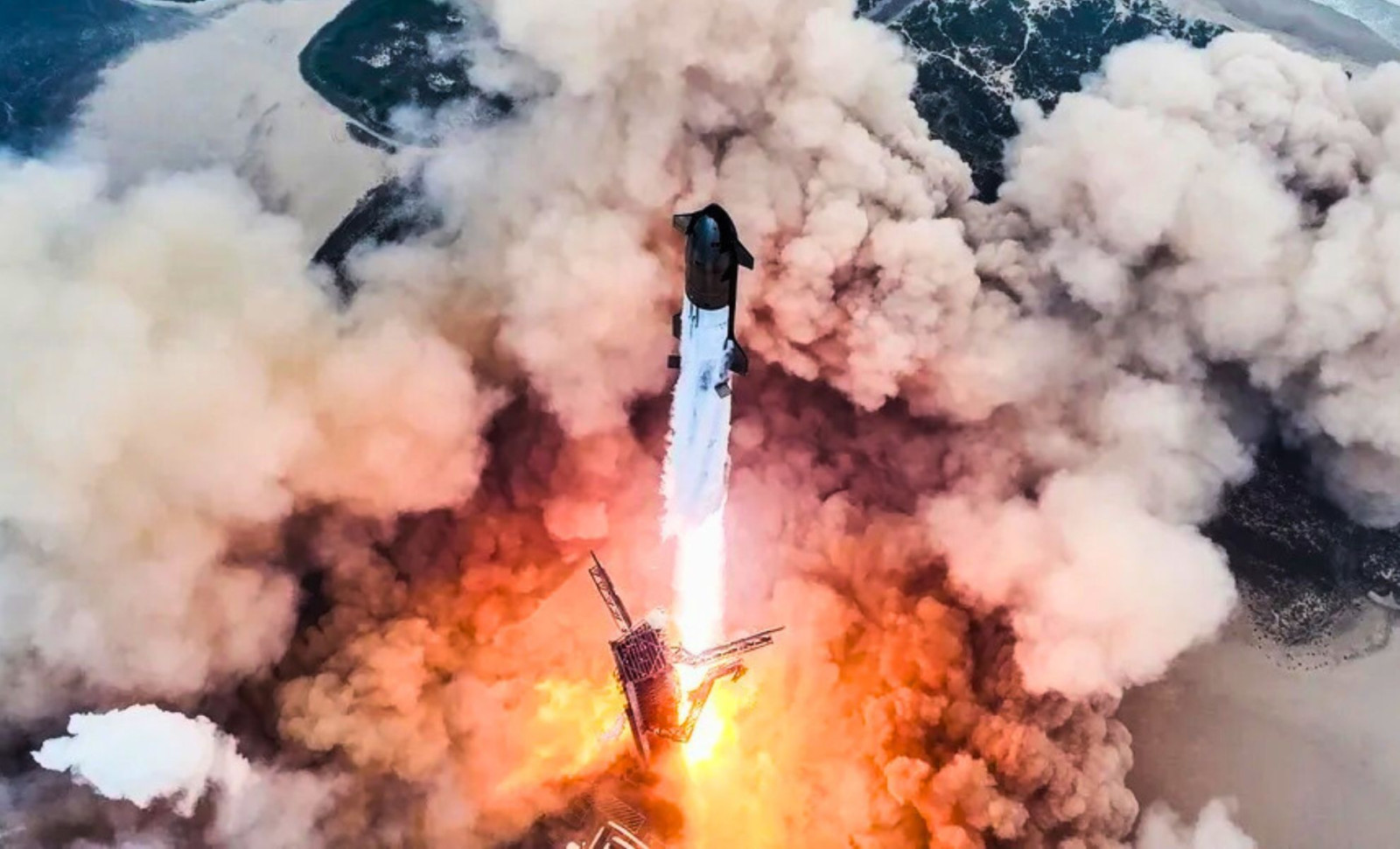
SpaceX is accelerating efforts to prepare its Starship rocket for a potential uncrewed journey to Mars as soon as late 2026. Achieving this would represent the first interplanetary mission attempted by a private company. This timeline is aligned with an infrequent planetary alignment offering a narrow but optimal launch window between Earth and Mars.
However, the technical challenges remain significant. Though SpaceX has successfully completed several major test flights recently, many crucial systems needed for interplanetary travel are still under development. The anticipated Starship Version 3, debuting in 2026, includes enhancements designed to enable extended missions beyond Earth’s orbit.
Inside SpaceX, Elon Musk has characterized the chance of meeting the 2026 Mars goal as roughly equal to a coin flip. From outside, engineers and officials continue to question if the aggressive schedule matches the rocket’s maturity. The U.S. space agency NASA, collaborating with SpaceX on lunar exploration, has raised concerns and is exploring alternative contractors for its Artemis program.

Critical Launch Window Drives Timeline
The Mars mission timing capitalizes on a planetary event called opposition, when Mars and Earth come closer in their elliptical orbits. This alignment happens about every 26 months and provides the most energy-efficient travel opportunity. The next suitable period is expected between November and December 2026.
Musk stated to Space.com that SpaceX intends to send up to five uncrewed Starship V3 spacecraft during this window. These missions will focus on testing landing capabilities and cargo delivery on Mars. Additionally, SpaceX may deploy Optimus humanoid robots engineered by Tesla to demonstrate operational capacity.
Musk estimates the chances of hitting the 2026 deadline at "50/50." The major technical hurdle remains in-orbit refueling, a capability critical for sending Starship with sufficient cargo to Mars, which has yet to be fully demonstrated.
Introducing Starship Version 3 Capabilities
Measuring more than 408 feet tall when fully assembled, the Starship Version 3 rocket will be the tallest vehicle ever launched if it meets the timeline. The two-part system comprises the Super Heavy booster for liftoff and the Ship second stage designed for cargo and eventual crewed missions beyond Earth orbit.
Both stages are engineered to be completely reusable, returning to Earth for refurbishment and repeated flights. On Mars missions, the Super Heavy booster detaches and returns soon after launch, while the Ship continues on its interplanetary course. This approach aims to reduce costs and enable higher launch frequency over time.
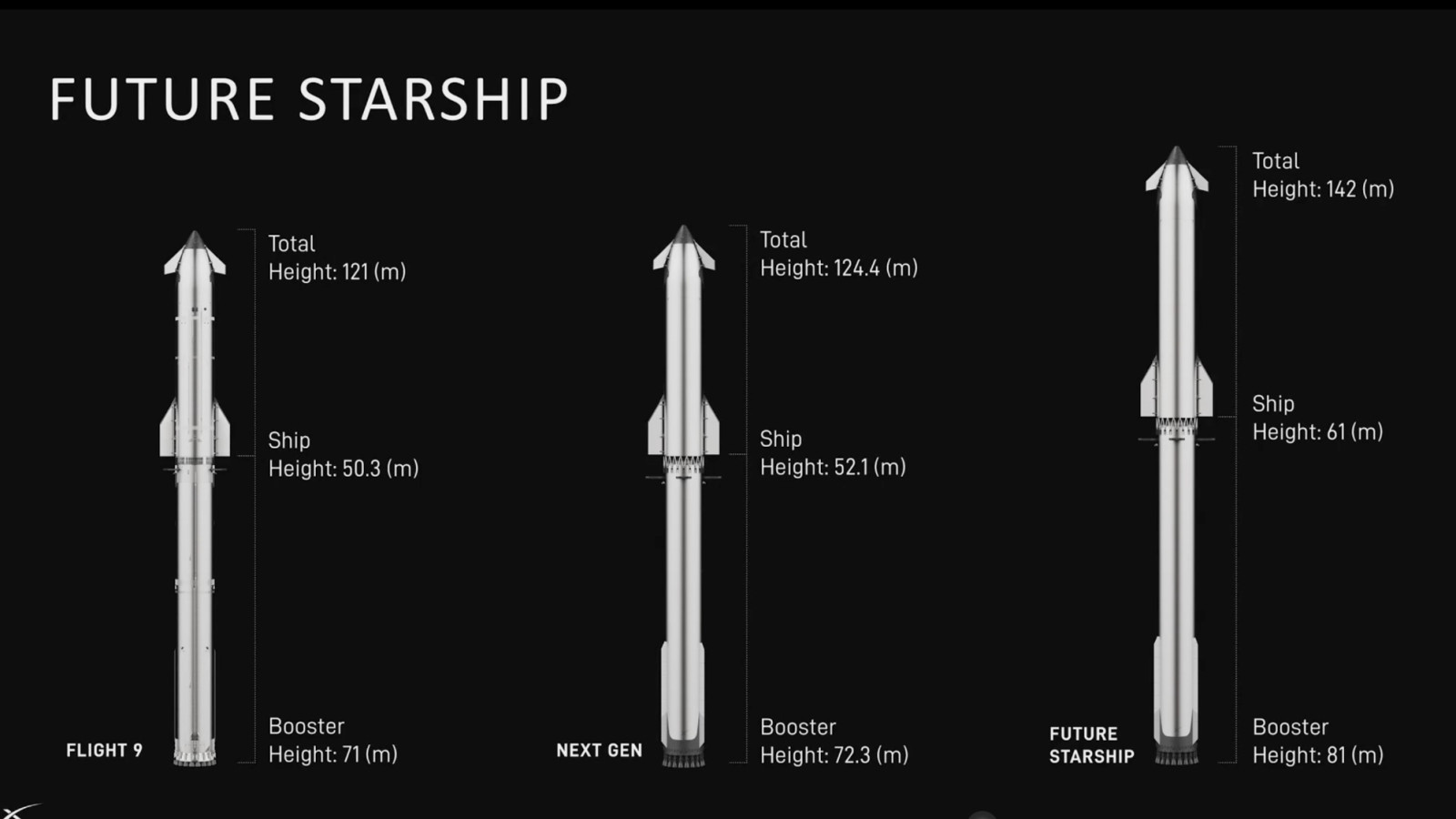
A technical overview from USA Today indicates SpaceX plans to verify orbital refueling using V3. This method would involve multiple tanker launches to refuel the Ship in orbit, enabling the extended range needed for Mars. As of early 2026, such tests have not yet been accomplished.
During 2025, SpaceX carried out five test flights of Starship Version 2 with varying results. The first three attempts ended in failures or loss of control, while the last two, flown in August and October, achieved important objectives and reflected performance improvements. All these launches took place at Starbase, SpaceX's private testing ground in South Texas.
NASA Collaboration Adds Additional Stakes
SpaceX’s Mars program is advancing in tandem with its commitment to NASA, which has chosen Starship as the lunar lander for the Artemis III mission aiming to return U.S. astronauts to the Moon by decade’s end. Any delay or shortfall in Starship's performance could impact both lunar and Mars exploration goals.
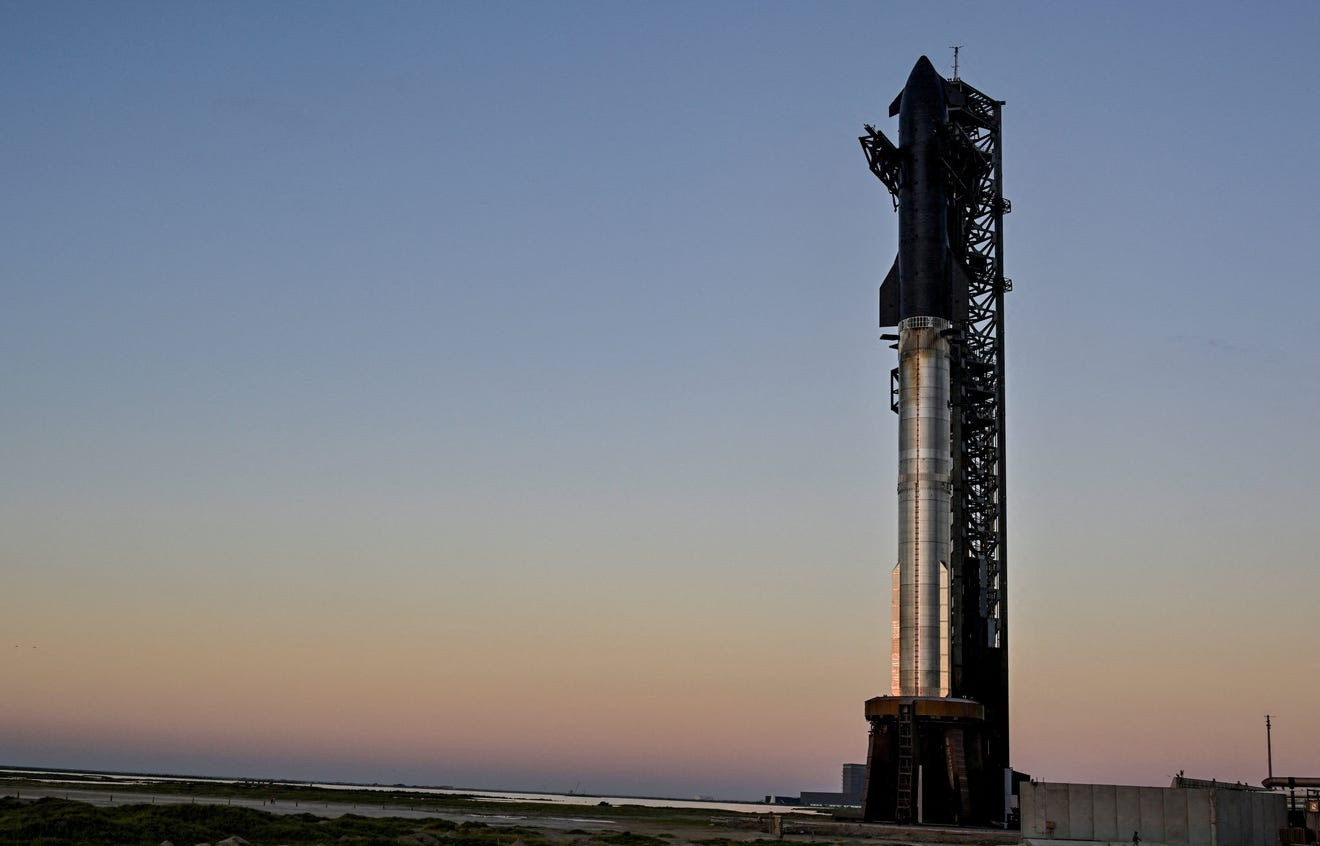
In October 2025, USA Today reported that Sean Duffy, then acting NASA Administrator, voiced concerns regarding SpaceX’s progress and indicated NASA might consider other contractors. Duffy was succeeded by Jared Isaacman, a commercial astronaut allied with Musk, who became NASA Administrator in December.
Starship’s dual role in lunar and Martian missions adds complexity. Each mission demands specific capabilities and schedules. Harmonizing these objectives while fulfilling NASA contracts and technical benchmarks will likely shape SpaceX’s path forward in the coming years.
Remaining Challenges for Mars Mission Success
Despite ambitious plans for 2026, several crucial systems remain untested. The challenge of precisely landing the massive Starship on Mars has yet to be tackled, with the planet’s thin atmosphere complicating deceleration and controlled touchdown.
Site selection for landing is still preliminary. Musk has mentioned Arcadia Planitia, a large volcanic plain in Mars's northern hemisphere, as a promising candidate. This area may contain accessible underground water ice, but detailed evaluations of its viability for settlement infrastructure are lacking. SpaceX has not publicly shared specific data or criteria guiding their choice.
Looking ahead, crewed flights could follow successful uncrewed missions as soon as 2029, according to Musk. However, formal testing schedules or astronaut mission plans have not yet been announced.
Launching multiple missions within a single planetary transfer window would require major expansion of facilities and logistics. Musk envisions a future featuring hundreds of Starships journeying to Mars, but a concrete roadmap remains absent.
- Categories:
- News










0 comments
Sign in to Comment