
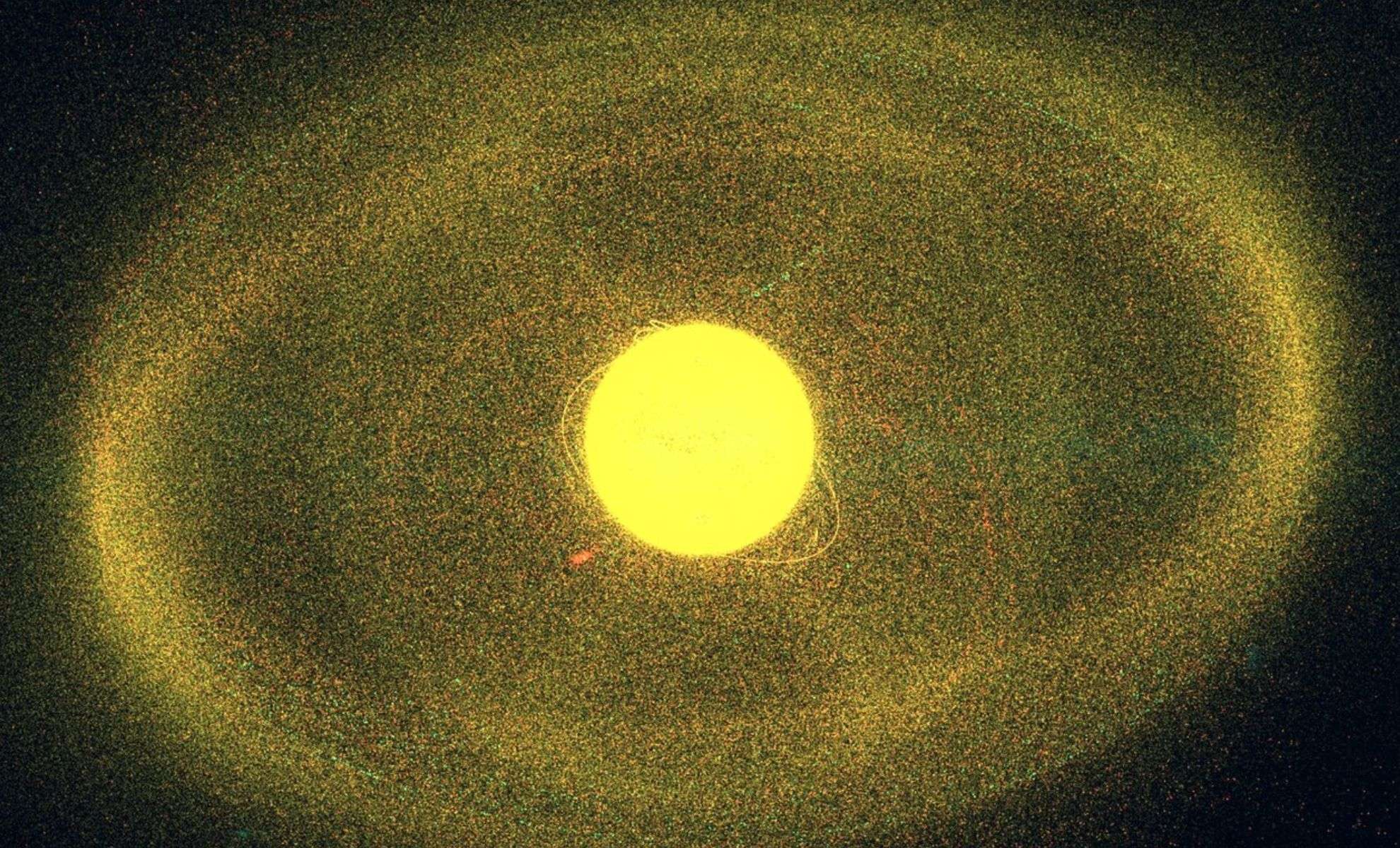
With Earth's orbit growing increasingly cluttered by satellites and debris, the threat of collisions is becoming a serious concern. Currently, there are over 11,000 satellites actively circling our planet alongside approximately 1.2 million debris fragments, making collision avoidance a critical mission for space operators. The European Space Agency (ESA) highlights the urgent need for innovative approaches to not only prevent immediate crashes but also to manage the crowded orbital environment in the long term. Among their initiatives is CREAM, the Collision Risk Estimation and Automated Mitigation system. This ESA-backed program aims to enhance satellite safety by automating risk evaluations, reducing operator error, and improving coordination across diverse space agencies and companies.
Streamlining Collision Detection with Automated Technology
Assessing collision risks in space has traditionally required painstaking human effort. Satellites operators must analyze trajectories, develop avoidance plans, and communicate extensively with other stakeholders, a process that can be slow and vulnerable to mistakes. The CREAM system addresses these challenges by automating the evaluation of collision probabilities, proposing evasive maneuvers, and issuing alerts when threats are detected. By minimizing human intervention, CREAM accelerates decision-making and provides a more dependable way for operators to safeguard their assets in orbit.
“The problem with establishing any kind of ‘rules of the road’ depends not only on the need to find consensus on such rules, but also on the availability of the technologies to make them a reality – a kind of chicken-and-egg problem,” the researchers said. This highlights the critical role that technological advancements like CREAM play in ensuring that space traffic regulations and best practices can evolve in tandem with the rapid growth of space activity.

Enhancing Cooperation Between Orbital Stakeholders
A standout feature of CREAM is its capacity to unify varied space entities—operators, service providers, regulators, and observers—within a single communication platform. Historically, coordination between these parties has been fragmented, often leading to delays and conflicts. CREAM facilitates real-time communication to resolve potential collision threats efficiently. This system is particularly important when two functioning satellites must swiftly agree on avoidance strategies, eliminating the traditionally slow exchange of emails and calls.
To further support cooperation, CREAM incorporates a mediation mechanism. Should disagreements arise during risk negotiations, unresolved issues can be escalated to a neutral mediation service, guaranteeing a fair process and maintaining safety as the top priority. This approach ensures that complex or contentious situations are managed transparently and equitably, providing operators a reliable tool to resolve conflicts.
Building Foundations for Future Space Traffic Control
Beyond immediate collision avoidance, CREAM serves as a stepping stone toward comprehensive space traffic management systems. The surge in orbital traffic underscores the necessity for universally accepted protocols to prevent accidents and protect the orbital environment's sustainability. CREAM is engineered to support this vision by delivering standardized tools that enable operators to adhere to emerging regulations and best practices.
“CREAM can support future space traffic management frameworks by offering a standardized toolset allowing operators to comply with best practices and rules, and regulators to monitor compliance,” the team explained. This will be key to ensuring that space remains a safe environment for exploration, research, and communication. The adaptability of the system also ensures that it will remain relevant as space regulations evolve. As international norms and technologies mature, CREAM’s flexible design will allow for the integration of new standards and practices, ensuring its long-term effectiveness in a rapidly changing space environment.
The Role of CREAM in Advancing Orbital Safety
CREAM's development marks a significant advance in tackling the growing challenges in orbital safety. As satellite populations expand, efficient space traffic management becomes more vital than ever. The system’s strengths—automated collision risk analysis, streamlined stakeholder communication, and built-in mediation—are already showing promise in enhancing satellite safety. Moreover, CREAM's flexible architecture prepares it to adapt alongside evolving technologies and policies, positioning it as a foundational asset for sustainable space operations.
“It is designed to be highly adaptable, allowing non-technical users to define evolving standards within the system. This flexibility ensures long-term relevance as best practice, international norms, and technologies will mature.” By making space traffic management more efficient, CREAM can help guide the way toward an organized and regulated future in Earth’s orbit. With the potential to scale as more satellites are launched and new technologies emerge, CREAM could become a cornerstone of the space industry’s safety infrastructure in the years to come.
- Categories:
- News






0 comments
Sign in to Comment