
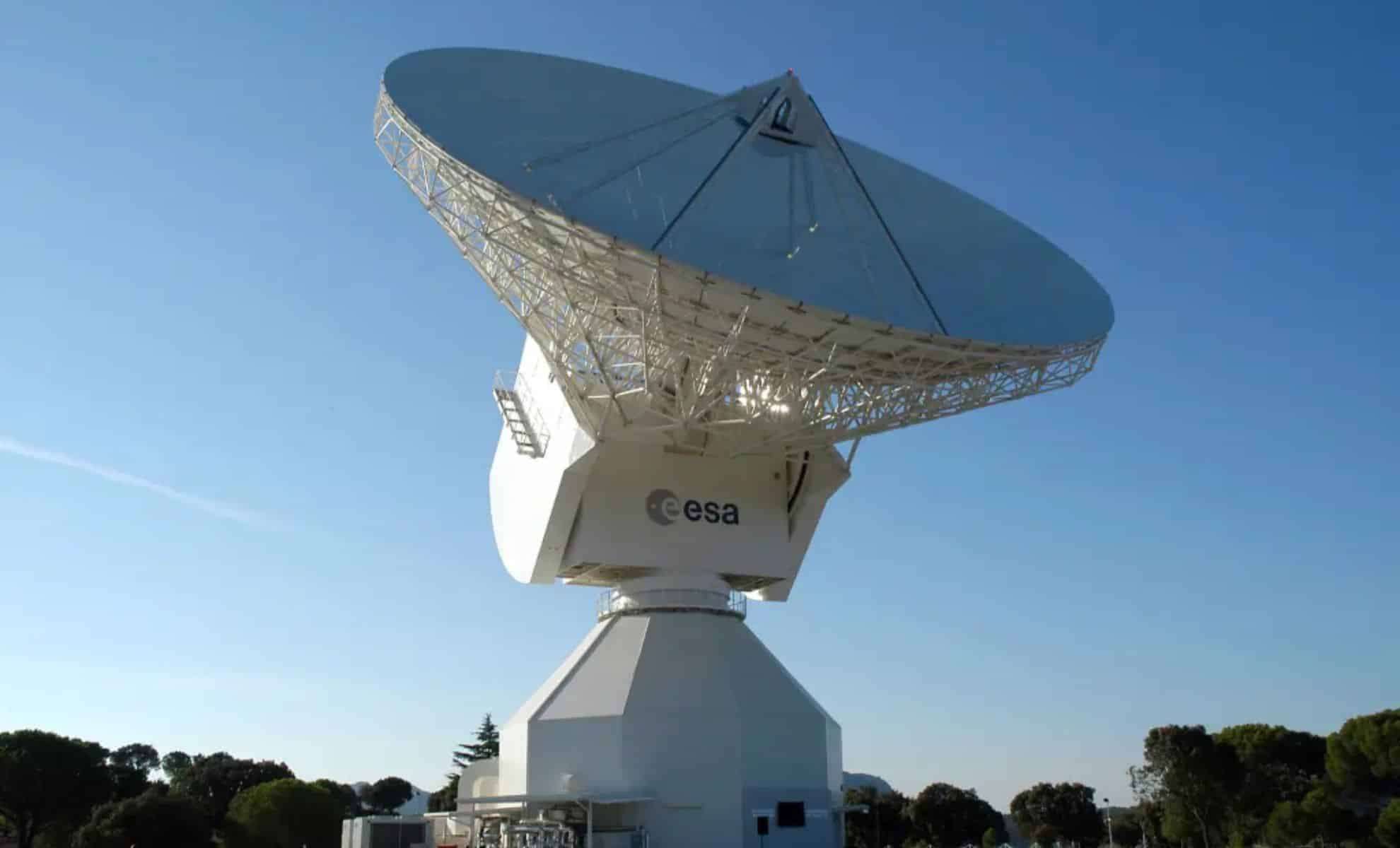
On May 31, a special live rendition of Johann Strauss II’sBlue Danube will be transmitted into deep space. This event honors both the 200th birth anniversary of the composer and the 50th anniversary of the European Space Agency (ESA). The broadcast, organized by ESA through its Cebreros deep-space antenna in Spain, will beam a high-quality recording of the waltz toward Voyager 1, currently located over 15 billion miles from Earth. This gesture corrects a long-standing omission — the exclusion of Blue Danube from Voyager’s original Golden Record in 1977 — and pays tribute to European scientific progress alongside Strauss’s enduring musical legacy.
Correcting a Historical Oversight with a Cosmic Musical Gesture
The act of sending Blue Danube into the cosmos is both a symbolic homage and an amendment to history. Composed in 1866, the waltz became emblematic of the space age, particularly after its use in Stanley Kubrick’s2001: A Space Odyssey, scoring the stunning imagery of space stations orbiting Earth. Despite this strong cultural connection, the piece was left out of the Golden Record, the collection of Earth’s sounds and music traveling aboard Voyager 1. Now, almost sixty years later, the Vienna Tourist Board and ESA have teamed up to reinstate this masterpiece into the soundtrack of humanity’s cosmic outreach. The Vienna Symphony Orchestra will perform live, but ESA will transmit a recording from the orchestra’s last rehearsal to guarantee uninterrupted streaming.
ESA Celebrates Half a Century Through Cultural and Scientific Outreach
This transmission also marks ESA’s celebration of its 50 years of pioneering space exploration. Broadcasting from the 35-meter DSA-2 antenna in Cebreros embodies the agency’s commitment to balancing scientific innovation with cultural enrichment. Commenting on the event, ESA Director General Josef Aschbacher stated, “Music uniquely bridges distances across both time and space. ESA is proud to share the spotlight with Johann Strauss II, inspiring the imaginations of space explorers and scientists who may one day venture forward to the rhythm of this celestial anthem.” This musical tribute highlights a growing trend of embedding humanistic values within scientific endeavors, reinforcing that space exploration is as much a cultural journey as it is technical.

A Sonic Journey from Earth Past the Outer Planets
The broadcast will travel at the speed of light, allowing it to reach Voyager 1 in about 23 hours. Along the way, it will pass the Moon within 1.5 seconds, take 4.5 minutes to reach Mars, 37 minutes to Jupiter, and just under four hours to reach Neptune. The carefully engineered performance for deep space will outlast Voyager’s own instruments, which can no longer produce sound, symbolizing the enduring reach of human creativity. This event adds Blue Danube to a select group of songs deliberately sent beyond Earth, joining tracks like the Beatles’ “Across the Universe” (NASA, 2008), Missy Elliott’s “The Rain (Supa Dupa Fly)” (NASA, 2024), and will.i.am’s “Reach for the Stars”, which echoed off Mars in 2012. It will be the first classical waltz to form part of this extraterrestrial collection.
A Posthumous Tribute to Vienna’s Waltz Maestro
Johann Strauss II, born in Vienna on October 25, 1825, created over 500 compositions and earned the title “The Waltz King” for popularizing the waltz from humble origins into a celebrated symbol of Europe’s belle époque. Blue Danube remains among the most recognizable pieces in classical music, frequently featured in commercials, films, and national festivities. The delayed introduction of this waltz into humanity’s message to the stars reflects how cultural expressions can be overshadowed by technological priorities. By pairing this tribute with ESA’s milestone and Voyager’s interstellar journey, this initiative honors Strauss’s legacy and underscores a growing recognition that space exploration is not just a physical endeavor but also a cultural one, with music as a timeless ambassador.
- Categories:
- News








0 comments
Sign in to Comment