
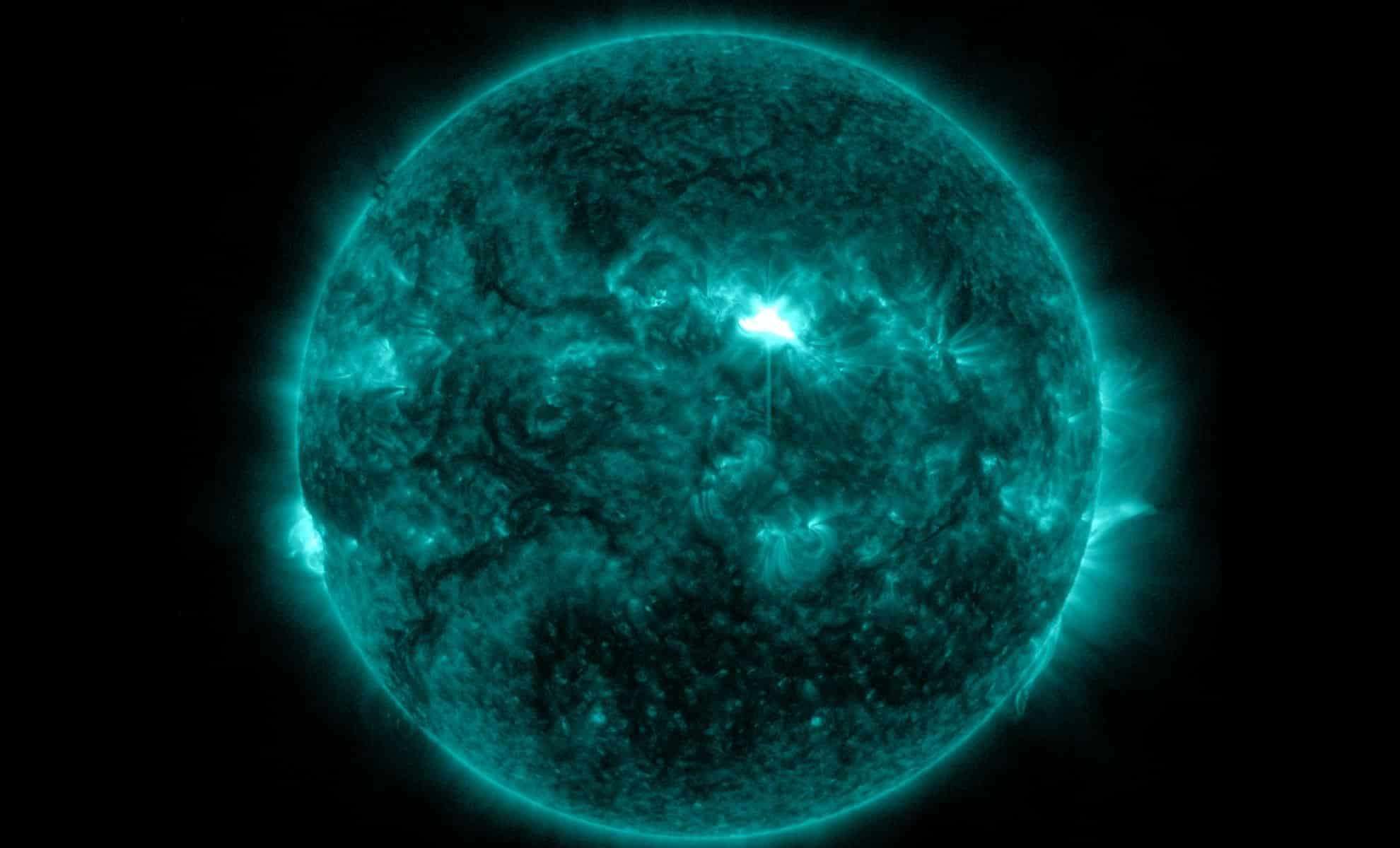
On June 17, 2025, at 5:49 p.m. ET, a significant X1.2-class solar flare erupted from the Sun, as observed by NASA’s Solar Dynamics Observatory. This intense outburst represents a key event in the ongoing Solar Cycle 25, with possible wide-ranging impacts on Earth. X-class flares are the strongest radiation bursts our star can produce, influencing not only space weather but also terrestrial technologies such as communication systems and electronics. NASA’s continuous monitoring efforts captured this flare live and remain vigilant for further solar disturbances. Events of this magnitude underscore the importance of refining space weather prediction and preparedness.
Understanding the Power of X-Class Solar Flares
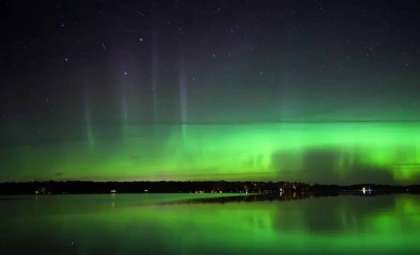
X-class solar flares rank as the highest in terms of energy output among solar events. The recent X1.2 flare is a substantial eruption emanating from the Sun’s surface and atmosphere. These flares emit radiation spanning a broad electromagnetic spectrum—from radio frequencies to gamma rays. Their effects are notably seen in disruptions to radio transmissions, satellite functions, and GPS accuracy. Additionally, such flares often enhance auroral displays near Earth’s poles.
The significance of X-class flares lies in their ability to disturb Earth’s magnetosphere, triggering geomagnetic storms. Such storms can compromise satellite operations and power grids, sometimes causing cascading system failures. Agencies like NASA and NOAA collaborate to monitor these solar events closely, aiming to forecast potential impacts and safeguard critical infrastructure.

Impacts of Solar Flares on Modern Technology
The highest-class solar flares can severely affect Earth-bound technology. They tend to produce radio signal blackouts that interfere with communication channels vital for aviation, shipping, and defense. The intense charged particles from flares also pose a threat to satellite electronics, potentially leading to malfunctions or shutdowns. Since GPS technology depends on satellite networks, positioning and navigation systems become vulnerable during these solar disturbances.
Power grids are especially susceptible. Solar flares may induce geomagnetic storms that generate geomagnetically induced currents (GICs), risking damage to transformers and potentially causing widespread outages. The infamous 1989 geomagnetic storm that left Quebec powerless for nine hours is a stark example. Moreover, astronauts exposed to the high-energy particles from these solar events face health risks, and the structural integrity of space instruments can be threatened.
NASA’s Efforts in Solar Observation and Forecasting
NASA’s Solar Dynamics Observatory (SDO), operational since 2010, is instrumental in monitoring solar phenomena in real time. By capturing detailed imaging of solar flares and coronal mass ejections (CMEs), SDO enables scientists to analyze these dynamic solar activities and improve forecast models.
Beyond SDO, NASA’s space fleet, which includes the Parker Solar Probe and Solar and Heliospheric Observatory (SOHO), collects a broad range of data concerning the Sun’s output. Together, these platforms provide a comprehensive picture of solar behavior, which is crucial for advancing space weather prediction and implementing protective measures for satellites, astronauts, and terrestrial technologies.
- Categories:
- News








0 comments
Sign in to Comment