
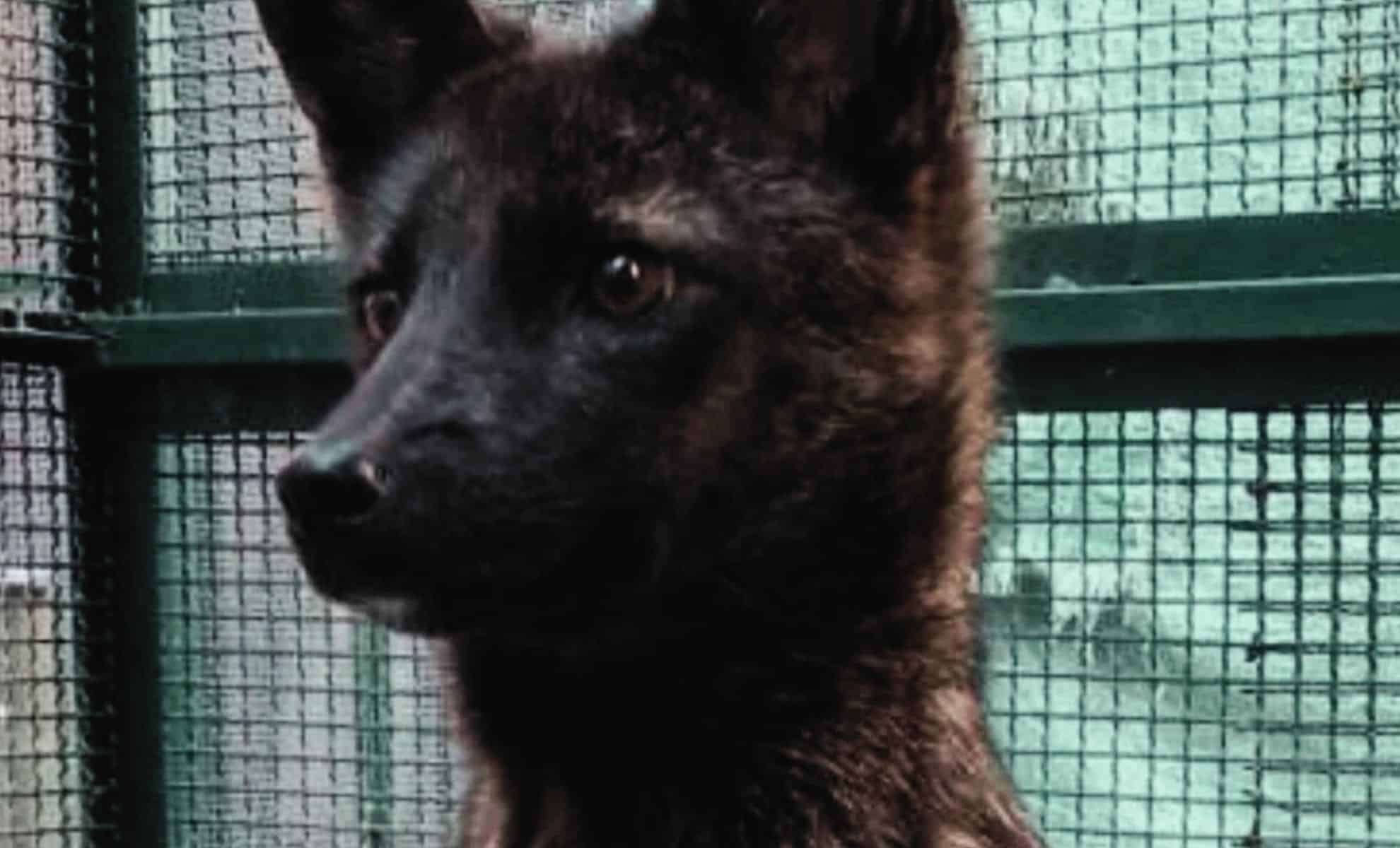
An unusual find in southern Brazil has taken the scientific world by surprise. In 2021, near Vacaria in Rio Grande do Sul, a female canid was discovered after a vehicle collision. What initially appeared to be a routine accident soon revealed a remarkable biological mystery. Veterinarians and researchers were baffled by the creature’s unfamiliar features, as it did not match any established species.
Decoding the Genetics: Dog or Fox?
Preliminary analysis indicated this animal was neither a typical domestic dog (Canis lupus familiaris) nor a conventional wild fox. Instead, it was identified as a hybrid—a genetic blend of a domestic dog and a pampas fox (Lycalopex gymnocercus), native to the grasslands of South America.
This revelation, documented in Animals, marks the first officially recorded hybrid of its kind, bridging species that branched off from a mutual ancestor approximately 6.7 million years ago.

Scientists at the Federal University of Rio Grande do Sul employed sophisticated genetic sequencing methods to show that the hybrid, dubbed the dogxim, had 76 chromosomes—a number exactly between the 78 chromosomes found in domestic dogs and 74 in pampas foxes. This genetic makeup presents new challenges and questions regarding its effects on wildlife management.
Dogxim: A Canid Unlike Any Other
The dogxim’s genetic profile was exceptional, and its physical traits were equally distinctive. It featured the long snout and dense, coarse fur typical of a pampas fox, coupled with familiar canine behaviors such as barking and playful interactions. Intriguingly, it refused processed diets like kibble, opting instead for live prey like rodents, behavior more characteristic of wild foxes.
Flávia Ferrari, an environmentalist involved in the dogxim’s care during recovery, described it as “neither dog nor fox, but a fascinating hybrid.” She observed a personality that was shy and cautious, differing from typical dogs, yet without the usual hostility wild canids might exhibit when handled. Sadly, the dogxim died in 2023, a few months post-discovery, prompting scientists to reconsider the broader significance of its existence.
The Rising Concern of Hybridization Between Species
Experts worry that the emergence of the dogxim is not an isolated event but indicative of an increasing frequency of hybridization between natural canid populations and domestic dogs. As human expansion encroaches on wild habitats, species like the pampas fox encounter domestic dogs more often, potentially resulting in extensive genetic mixing and heightened disease risks.
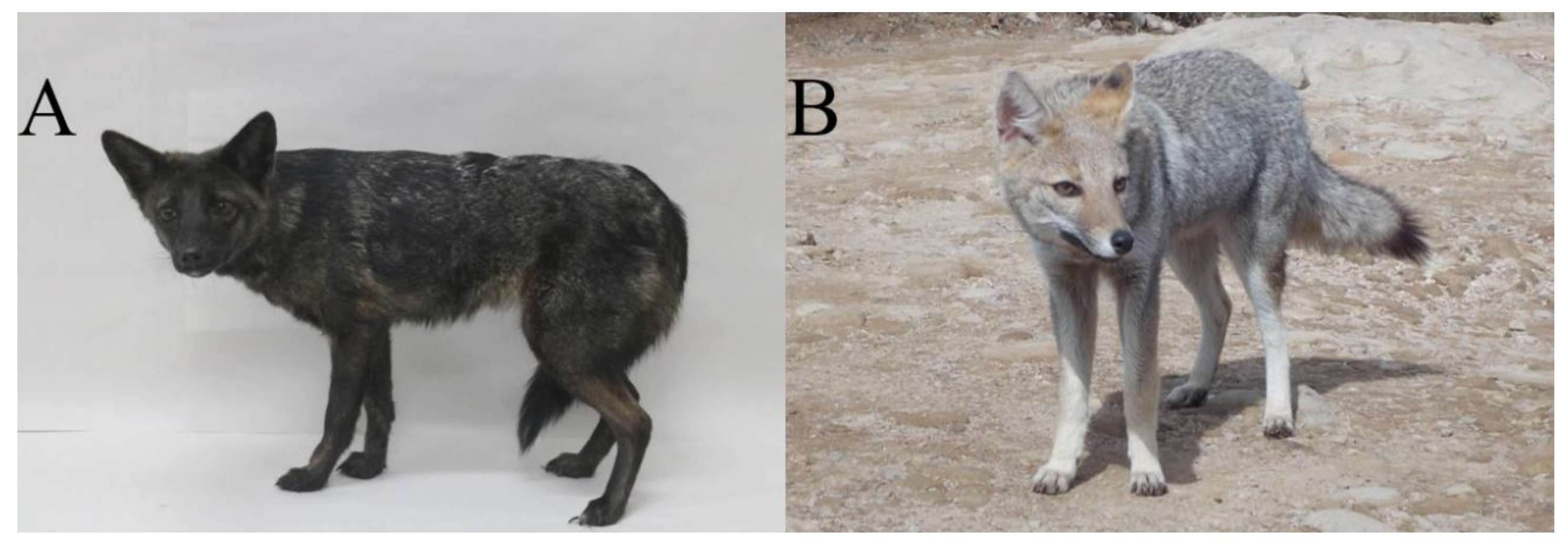
Jacqueline Boyd, a specialist in animal sciences at the University of Nottingham Trent, explained that the dogxim exemplifies the increasing intersection between human settlements and wildlife territories. She emphasized the risk of disease transmission from domestic dogs to wild species, endangering native populations. Moreover, the genetic introgression caused by hybrids could jeopardize the survival and integrity of species such as the pampas fox.
Consequences of Hybridization for Wildlife Ecosystems
The dogxim discovery has ignited urgent conversations about how hybridization could alter wild canid populations across South America. If hybrids like the dogxim are fertile, they may influence the genetic diversity and behavioral traits of native species, threatening their continued existence. Scientists express concern that hybrids might dilute wild populations by introducing tame characteristics, diminishing genetic variety, and disturbing natural conduct.
Call for expanded research is intensifying to understand how hybridization affects the genetic landscape and behavior of wild canids over time. Though the dogxim appears rare, it highlights an emerging ecological challenge posed by human-driven habitat changes. As urban growth and infrastructure projects continue to fragment ecosystems, the full impact of hybrid animals on biodiversity remains largely unknown.
- Categories:
- News












0 comments
Sign in to Comment