
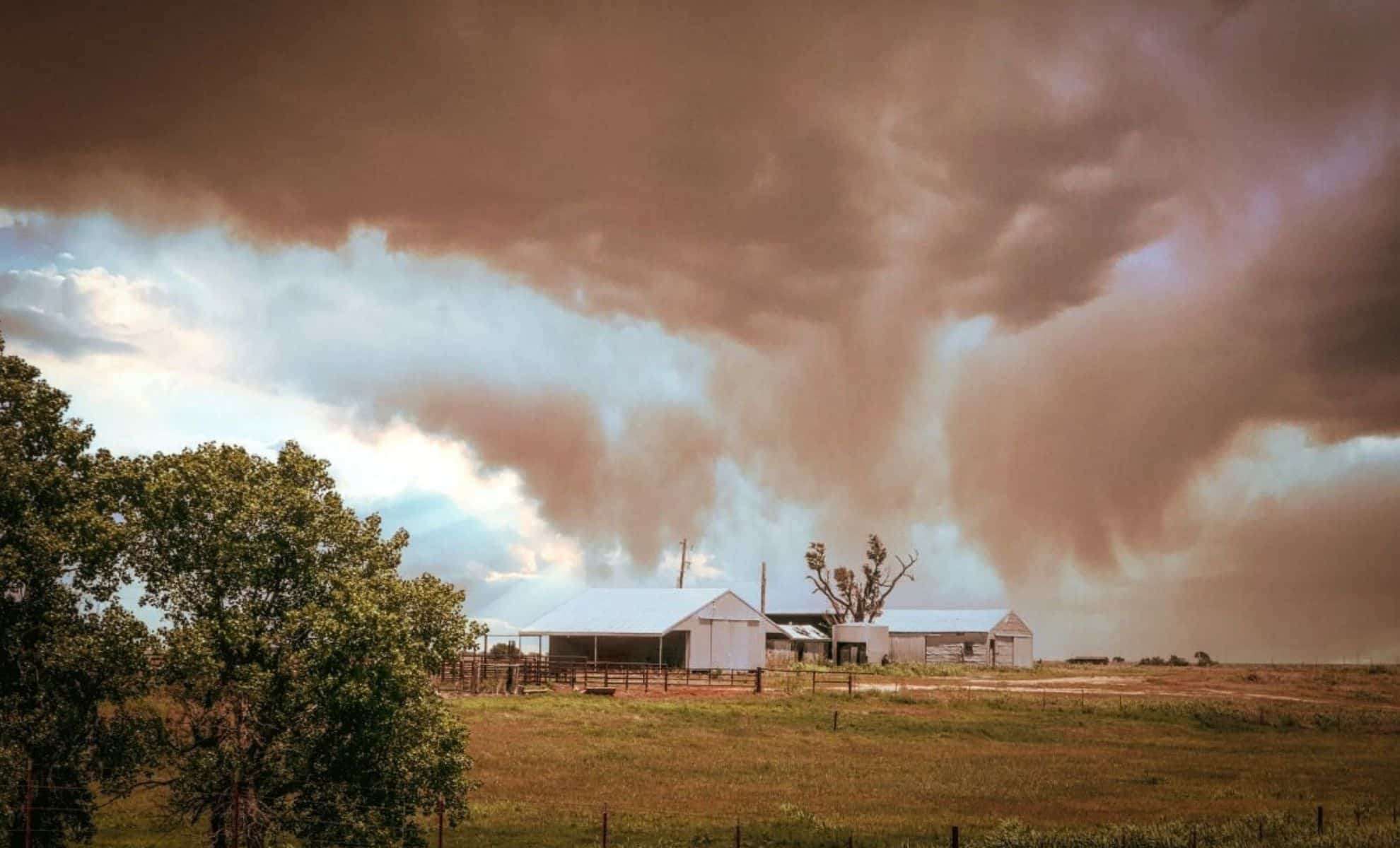
Researchers conducting air quality monitoring in Oklahoma have identified a hazardous chemical in the atmosphere of the United States for the first time. This contaminant, previously only reported in remote locations such as Antarctica and parts of Asia, was discovered by scientists from the University of Colorado Boulder, who were studying the formation and growth of microscopic airborne particles. Their results have captured significant attention within environmental science circles.
An Unexpected Chemical Signature
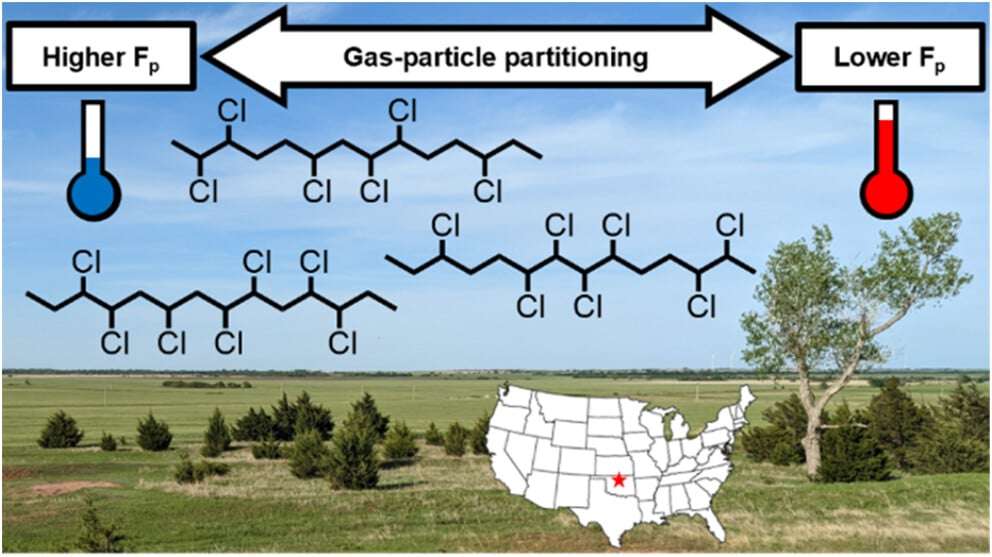
Led by chemistry Ph.D. candidate Daniel Katz, the research team sampled air at the Southern Great Plains observatory in rural Lamont, Oklahoma. While expecting to detect standard atmospheric pollutants, they instead found traces of Medium Chain Chlorinated Paraffins (MCCPs) . These toxic substances, never before recorded in the Western Hemisphere, had mostly been linked to distant regions like Antarctica, signaling new concerns about their geographic spread through the atmosphere.
Katz commented on the discovery: “Uncovering such an unexpected compound while conducting routine measurements is thrilling from a scientific standpoint.” This finding expands understanding of MCCPs, a category of hazardous organic chemicals, indicating they may be more widespread globally than previously documented. Although MCCPs have been studied in other countries for years, their detection in Oklahoma presents fresh challenges in assessing their environmental reach.

Origin and Spread of MCCPs in the Air
MCCPs serve multiple industrial purposes, including applications in metal machining and the manufacture of PVC. While these chemicals themselves are not new, they have not attracted rigorous regulatory attention, differing from Short Chain Chlorinated Paraffins (SCCPs), which face bans or strict limitations across regions such as the U.S. and the EU because of their toxicity. The industrial shift from SCCPs to MCCPs, prompted by regulatory restrictions, has sparked worries that MCCPs might be an unintended consequence of these policy changes.
The investigators hypothesize that MCCPs detected in Oklahoma's atmosphere may originate from the use of biosolid fertilizers, products made from treated sewage sludge and applied to farmland soils. These fertilizers could emit MCCPs into the air when dispersed. Although this source has not been definitively verified, the MCCP levels recorded resemble patterns seen with other biosolid-related contaminants.
Environmental Regulation Shortcomings and Risks
These findings reveal significant regulatory gaps. Unlike the banned or regulated SCCPs, which fall under international control via the Stockholm Convention targeting persistent organic pollutants, MCCPs currently face minimal oversight. This lack of control may entail lasting environmental and health repercussions, especially given MCCPs' chemical similarity to persistent substances like PFAS that resist natural degradation and accumulate in living organisms.
The case of MCCPs has intensified discussion about regulatory loopholes, where banning certain harmful chemicals leads to substitution with potentially equally dangerous alternatives. Ellie Browne, chemistry professor at the University of Colorado Boulder and co-author of the study, highlighted this dilemma: “Regulatory actions often produce unintended side effects; when one chemical is restricted, industries seek replacements that continue to meet demand.”
- Categories:
- News







0 comments
Sign in to Comment