
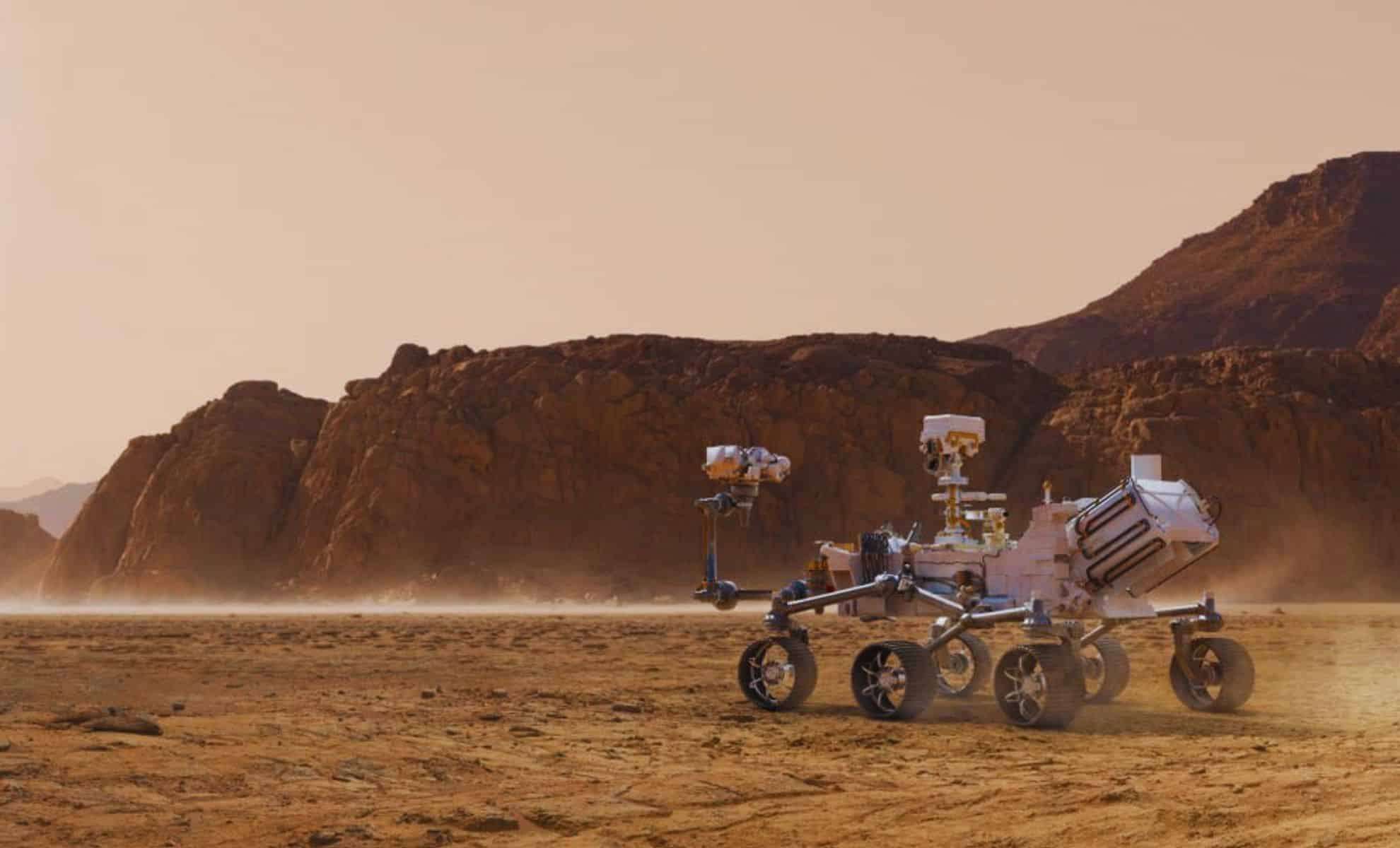
Is it possible that life on Mars was already discovered—and inadvertently destroyed? A prominent researcher presents a startling idea that NASA's methods in seeking extraterrestrial life might have catastrophically erased Martian organisms. Instead of uncovering microbial life, the technology employed could have caused its elimination.
Viking Landers: Pioneering Yet Potentially Harmful Endeavors?
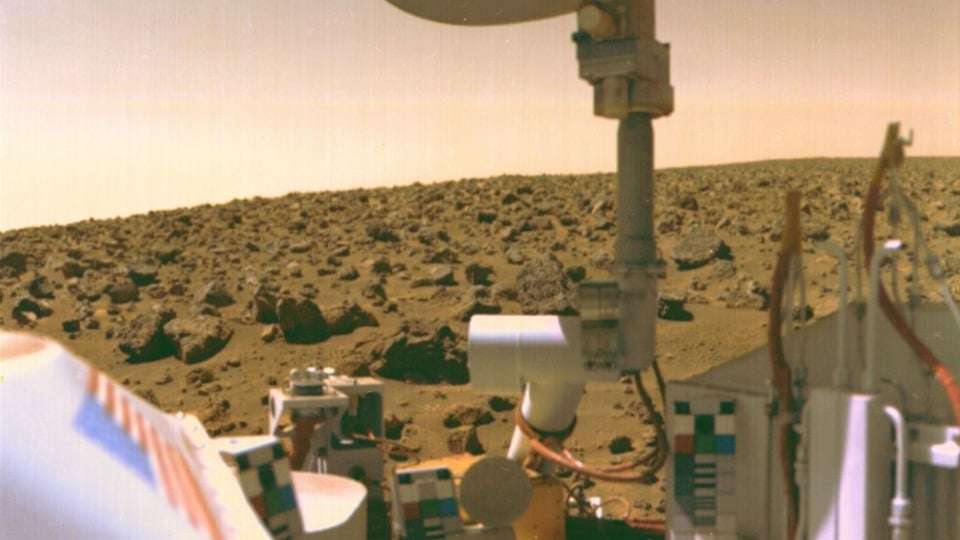
The arrival of NASA's Viking landers in 1976 marked a monumental moment as they became the first American probes to land on Mars and carry out experiments aimed at detecting life. However, astrobiologist Dirk Schulze-Makuch from the Technical University Berlin suggests these historic tests may have inflicted unintended damage.
The Viking missions attempted to find signs of biological processes by introducing water into samples of Martian soil. While this appeared safe, Schulze-Makuch believes this procedure might have been lethal to fragile life forms adapted to Mars’ extreme dryness.

Could Martian Microbes Have Been Killed by Water?
Mars features dry, salty environments where microbial life might survive similarly to Earth's Atacama Desert, known for its hyperarid conditions. Such microbes endure by extracting tiny moisture amounts from the atmosphere.
“What would happen if these drought-resistant organisms were suddenly submerged in water?” Schulze-Makuch questions. “They could be overwhelmed and effectively drowned.” This scenario might explain why Viking’s approach inadvertently eradicated potential life before detection.
The missions also detected chlorinated organic molecules in Martian soil. Previously considered contamination from Earth, later explorations confirmed their Martian origin. This raises the unsettling thought that Viking could have destroyed the only surviving indicators of life on Mars.
Was Mars Already Home to Resilient Life Forms?
These insights propose that microbial life might have quietly persisted on Mars, thriving within salty rocks and drawing moisture from the planet’s thin atmosphere. Instead of revealing such life, the Viking experiments may have wiped it out prematurely.
“This is a chilling possibility,” Schulze-Makuch states. “We might have come closest to identifying alien life—only to eliminate it.”
This alarming theory has sparked renewed interest in designing future Mars missions that prioritize protecting potential life. Schulze-Makuch emphasizes the importance of revising our exploration strategies to prevent repeating these destructive errors.
- Categories:
- News








0 comments
Sign in to Comment