

Scientists at NASA have suggested that liquid water trapped beneath Mars’ ice could create habitats suitable for microbial organisms. By employing sophisticated computer simulations, the research team proposes that sunlight penetrating through layers of dust-laden ice might enable photosynthesis in shallow subsurface meltwater. This novel concept offers fresh insights into where life might exist beyond Earth, pointing to Mars’ frozen zones as promising environments.
The Role of Dust and Ice in Supporting Possible Martian Life
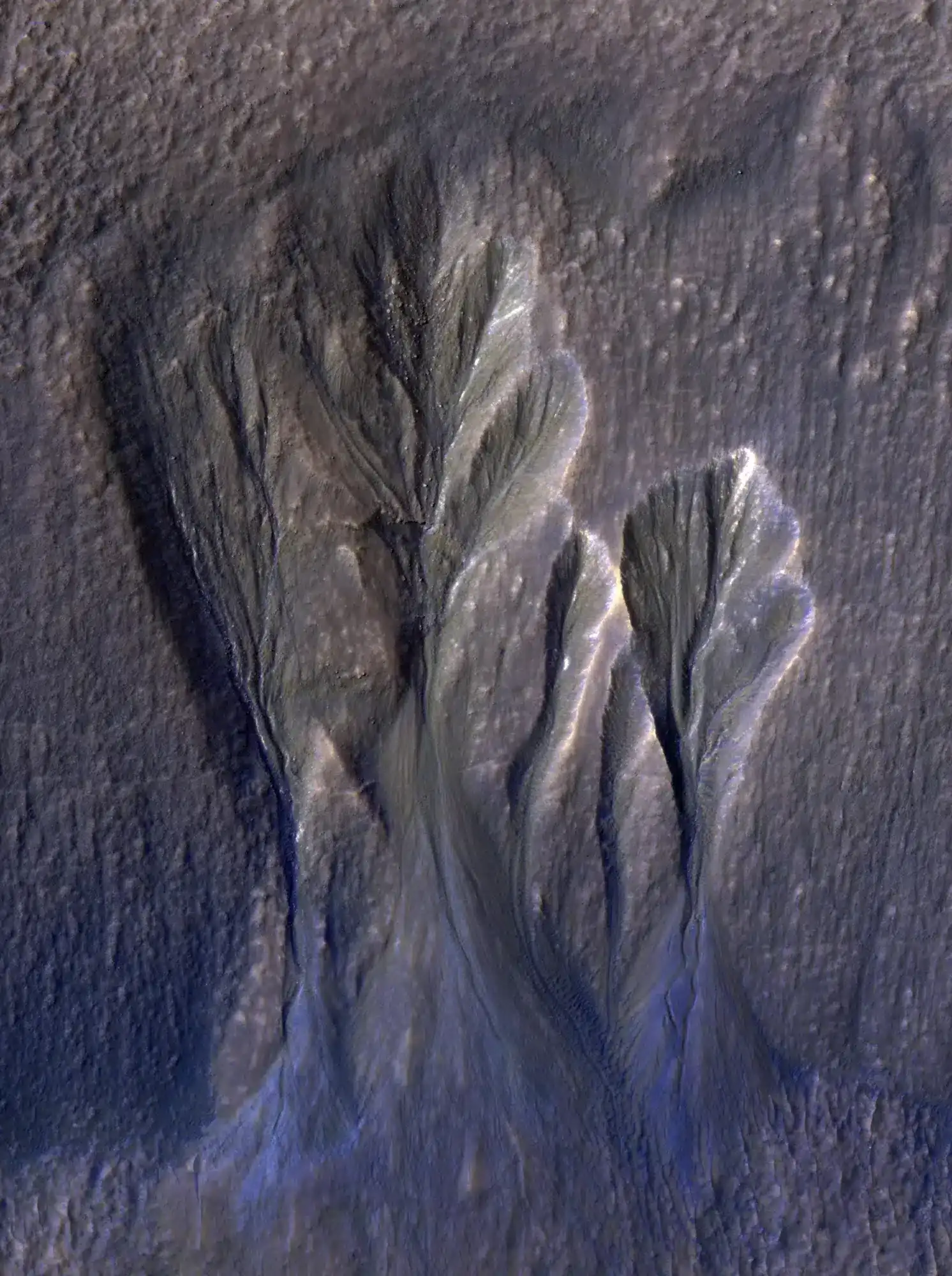
The NASA report, spearheaded by Aditya Khuller at the Jet Propulsion Laboratory, highlights how dust embedded within Martian ice could foster melting beneath the surface. This mechanism parallels Earth’s cryoconite holes, where dust absorbs heat and creates liquid water pockets inside glaciers. Over long periods, dusty ice formations on Mars might similarly absorb solar energy and generate pools of meltwater right beneath the frozen crust.
The study points out that dust particles may simultaneously trap heat to melt ice and permit enough sunlight to sustain photosynthesis. Khuller explains, “On Mars, the areas where photosynthesis could occur are more likely to be within dusty ice because the overlying dusty ice blocks harmful ultraviolet radiation,” emphasizing how this dusty ice also protects potential life forms from Mars’ extreme surface conditions.

Protective Ice Layers That Enable Life-Friendly Conditions
Mars’ intense ultraviolet radiation exposure presents a significant barrier for life, given the planet’s lack of a global magnetic field or ozone layer. The newly examined dusty ice deposits could offer a natural shield, absorbing damaging UV rays while still transmitting sunlight critical for photosynthesis beneath the surface.
The models suggest that microbial life might survive up to approximately 3 meters (9 feet) below the icy crust where dust concentration and light conditions align favorably. This subsurface radiative habitable zone mirrors Earth’s glacial environments, where life prospers despite harsh climates. Phil Christensen, co-author of the research, remarks, “Dense snow and ice can melt from the inside out, letting in sunlight that warms it like a greenhouse, rather than melting from the top down.”
Targeted Regions and Future Missions
The research identifies Mars’ mid-latitude zones—stretching roughly between 30° and 60° latitude in both hemispheres—as likely sites for these subsurface watery niches. These areas possess optimal combinations of temperature, dust presence, and sunlight exposure, making them focal points for subsequent scientific study.
Next steps include experimental lab work simulating Martian icy environments to better understand the interaction between dusty ice and sunlight. Khuller and colleagues anticipate this research will help inform upcoming robotic explorations. He cautions, “We are not stating we have found life on Mars,” but stresses “dusty Martian ice exposures in the mid-latitudes represent the most accessible places to search for Martian life today.”
With ongoing Mars missions like Perseverance Rover and Mars Reconnaissance Orbiter, scientists continue to deepen our knowledge of Martian ice dynamics, inching closer to uncovering whether life exists beyond our planet.
- Categories:
- Astronomy ,
- News ,
- Science ,
- Nasa









0 comments
Sign in to Comment