

A remarkable meteorite encounter in Texas has sparked widespread interest after a celestial rock crashed through a house roof, coinciding with numerous fireball observations reported all over the United States. A NASA report emphasizes the unusual clustering of these atmospheric events, shedding light on this rare occurrence.
Widespread Fireballs Illuminate U.S. Skies
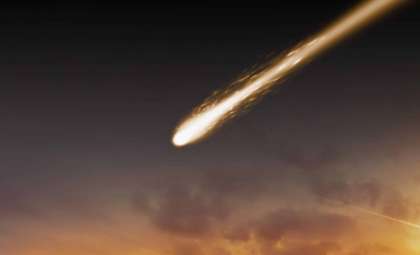
The evening featured a rapid sequence of brilliant fireballs blazing across different parts of the U.S. Within a short span, multiple states witnessed these luminous streaks caused by meteoroids incinerating upon atmospheric entry. While such events aren't rare individually, the close timing and broad geographical distribution captivated scientists and skywatchers alike. Several eyewitnesses reported vivid flashes and swift streaks, indicating fragments from a larger cosmic body may have entered Earth’s atmosphere almost simultaneously.
Information detailed in the NASA report highlights a spike in fireball detections that night, recorded by specialized near-Earth object tracking networks. Though most meteoroids disintegrate before reaching terrestrial surfaces, this cluster increased the chance that one fragment survived the descent. Indeed, this was the case in Texas, where a meteorite approximately the size of a cannonball successfully landed.

The synchronization between wide-spread visual reports and a confirmed impact site provides invaluable data for researchers. It allows experts to link atmospheric phenomena with tangible debris, improving understanding of meteoroid fragmentation and survival during atmospheric passage. This event reminds us how even small extraterrestrial objects can create significant, observable effects on Earth.

A Meteorite Penetrates a Texas Home
The spectacle took an unexpected turn in Texas when a meteorite crashed right through a homeowner’s roof, entering the interior. Such strikes on inhabited buildings are extraordinarily rare, considering Earth’s vast surface and the small size of most meteorites that reach the ground.
In an interview with KHOU 11, James recounted hearing a "loud bang" from the adjacent room. Upon inspecting the damage, she suspected the object was a meteorite. Initially upset by the property damage, she soon felt a mix of excitement and apprehension. This blend of emotions is common when people encounter extraterrestrial matter firsthand.
The roof damage and the retrieved fragment offered convincing proof that this was no ordinary debris. Meteorites often display unique features like fusion crusts—formed as they heat during atmospheric descent—allowing scientists to distinguish them immediately from earthly rocks. Incidents like this provide rare scientific opportunities to study these cosmic visitors.
Scientific Importance of This Meteorite Event
Impacts involving meteorites that hit homes are exceedingly rare, and each occurrence enriches planetary science data. This Texas case is notable not just for the direct strike but also because it coincided with multiple eyewitnessed fireballs, suggesting a fragmentation event where a larger meteoroid broke into several pieces prior to atmospheric entry.
Such breakups create numerous visible trails, each caused by a fragment of the original mass. While many fragments vaporize fully, some bigger or more resilient pieces survive atmospheric entry. The retrieved meteorite now offers researchers a chance to analyze its makeup, origin, and flight path, providing insights into the broader population of near-Earth celestial bodies.
This data contributes to refining models that predict behavior and threat levels from small space objects. While large asteroid impacts grab headlines, smaller meteorites like this one happen relatively often and can still impact localized areas. The Texas event is a vivid reminder of our planet’s ongoing dynamic interaction with the cosmic environment.
An Uncommon Insight Into Earth’s Cosmic Interaction
This event serves as a powerful reminder of the fragile boundary between our planet and outer space. Each day, Earth is bombarded by tons of cosmic dust and debris that mostly burn up unnoticed. On rare occasions, pieces survive and even intersect with daily life in striking ways.
The Texas meteorite incident turned a distant astronomical spectacle into a direct encounter within seconds. It was an unexpected disturbance for residents and a valuable observational data point for scientists. The combined eyewitness reports, physical specimens, and recorded data make this event extraordinary.
As observation networks advance, such occurrences could be tracked with greater accuracy. Each documented meteorite impact builds knowledge about how space materials behave upon entering Earth’s atmosphere, reinforcing the need for ongoing space environment monitoring and research.
- Categories:
- News











0 comments
Sign in to Comment