

Scientists are turning to some of Earth's most resilient microorganisms as potential partners in establishing the first human dwellings on Mars. These microbes have the ability to convert Martian soil into a cement-like substance that could be used for building shelters, while also producing oxygen critical for human survival. This innovative approach is designed to significantly cut down on the expense of transporting construction supplies from Earth by utilizing resources found directly on Mars.
Mars represents the next giant leap in human exploration, yet its hostile environment poses numerous obstacles. The planet’s thin atmosphere, intense temperature swings, and lack of breathable air make creating viable habitats a huge challenge. Robust shelters that can shield inhabitants from cosmic radiation, maintain stable temperature, and generate oxygen are fundamental requirements for future colonies.
Harnessing Microbial Biocementation
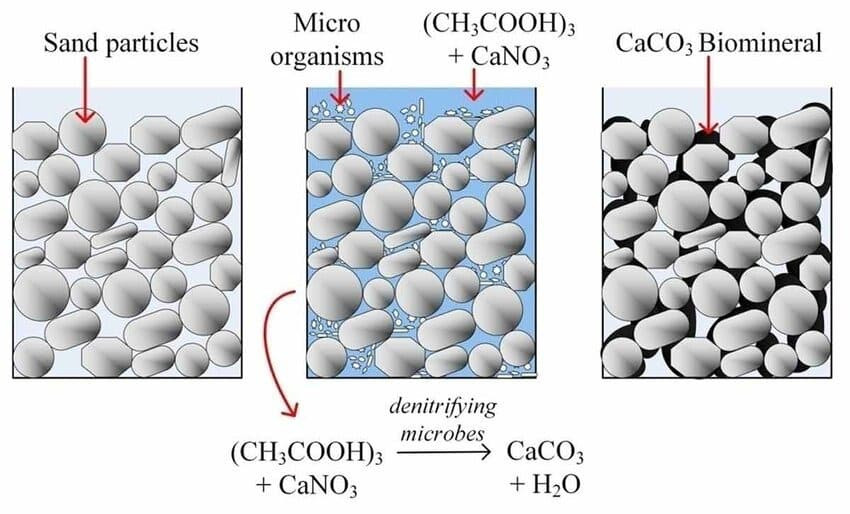
A cutting-edge technique dubbed biocementation is emerging as a sustainable way to produce building materials on Mars. This process employs microorganisms that can solidify loose Martian soil into a sturdy, concrete-like form.

Research featured in Frontiers in Microbiology highlights two bacteria species, Sporosarcina pasteurii and Chroococcidiopsis, as prime candidates for this role. Sporosarcina pasteurii is adept at producing calcium carbonate through ureolysis, enabling the transformation of loose soil into hardened material.
In parallel, Chroococcidiopsis is a cyanobacterium capable of enduring extreme Martian-like conditions and can generate oxygen, which could help create breathable habitats on the planet.
Together, these microbes may synergize to enhance survival and functionality. This biocementation strategy has the potential to convert Martian regolith into solid construction material, making it a promising avenue for habitat development on Mars.
Building Mars Homes with 3D Printing
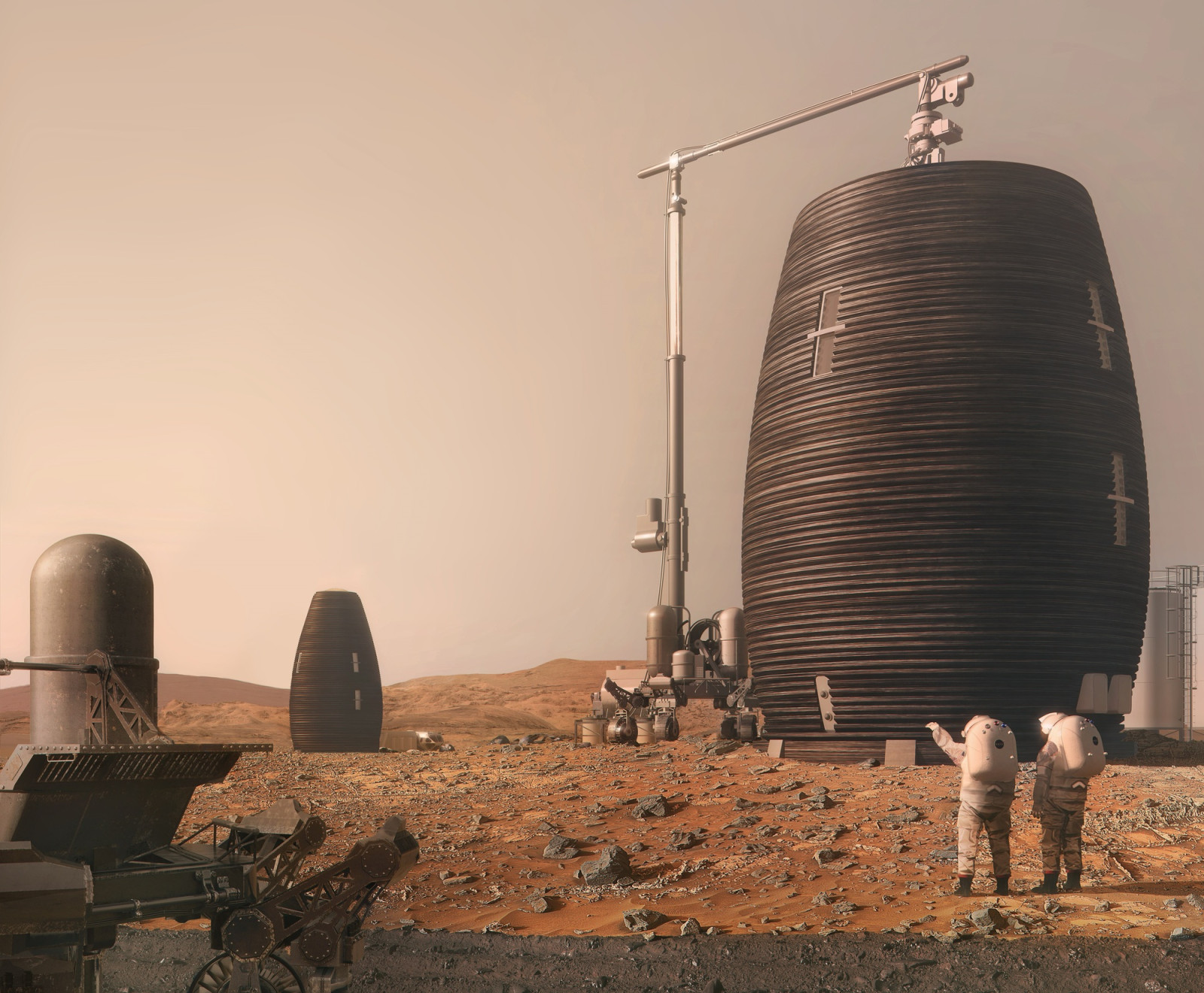
Researchers are investigating the use of 3D printing technology for erecting habitats directly on Mars. By combining biocemented mixtures made with native Martian soil, 3D printers could sculpt habitat structures on-site.
This method would curb the reliance on launching heavy construction materials from Earth, as the printers would use a blend of microbial treatment and Martian soil to fabricate buildings. As space agencies like NASA prepare human missions to Mars, 3D printing habitats could be essential for reducing costs and enabling permanent settlements.
Microbial Benefits: Oxygen Production and Agriculture
Microorganisms may play a crucial role in sustaining human life on Mars. The oxygen generated by Chroococcidiopsis could contribute to creating breathable conditions within Martian habitats.
Additionally, Sporosarcina pasteurii produces ammonia as a secondary product, which might act as a natural fertilizer in controlled farming systems. This opens the possibility for growing food directly on Mars, drastically decreasing the need for supply shipments from Earth.
Leveraging these microbial capabilities for both life support and agriculture lays the groundwork for self-sufficient human colonies. While still under development, this microbial technology offers hopeful prospects for making Mars habitation feasible.
- Categories:
- Science







0 comments
Sign in to Comment