
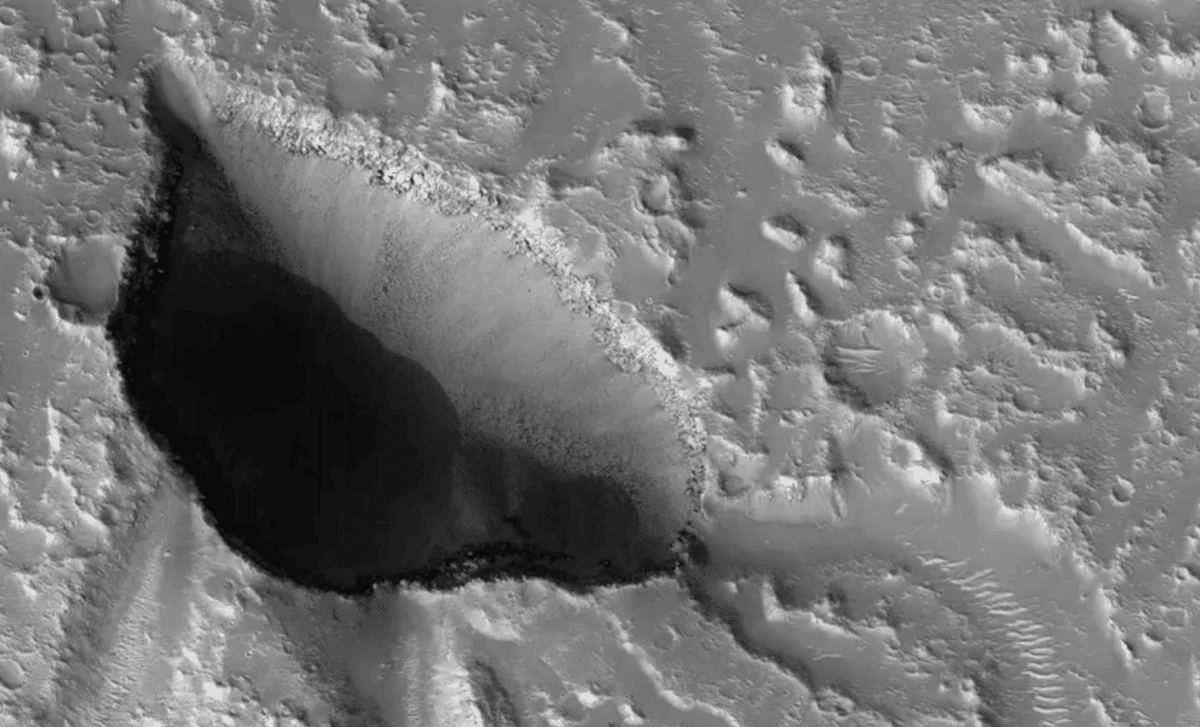
For decades, Mars has intrigued scientists as a potential harbor for extraterrestrial life. Now, researchers have unveiled a remarkable find: water-formed caves that might create ideal environments for life to exist. This discovery, detailed in The Astrophysical Journal Letters, challenges previous ideas about how caves form on Mars and provides fresh perspectives on the planet’s ancient conditions.
Unveiling Mars’ Unique Cave Systems
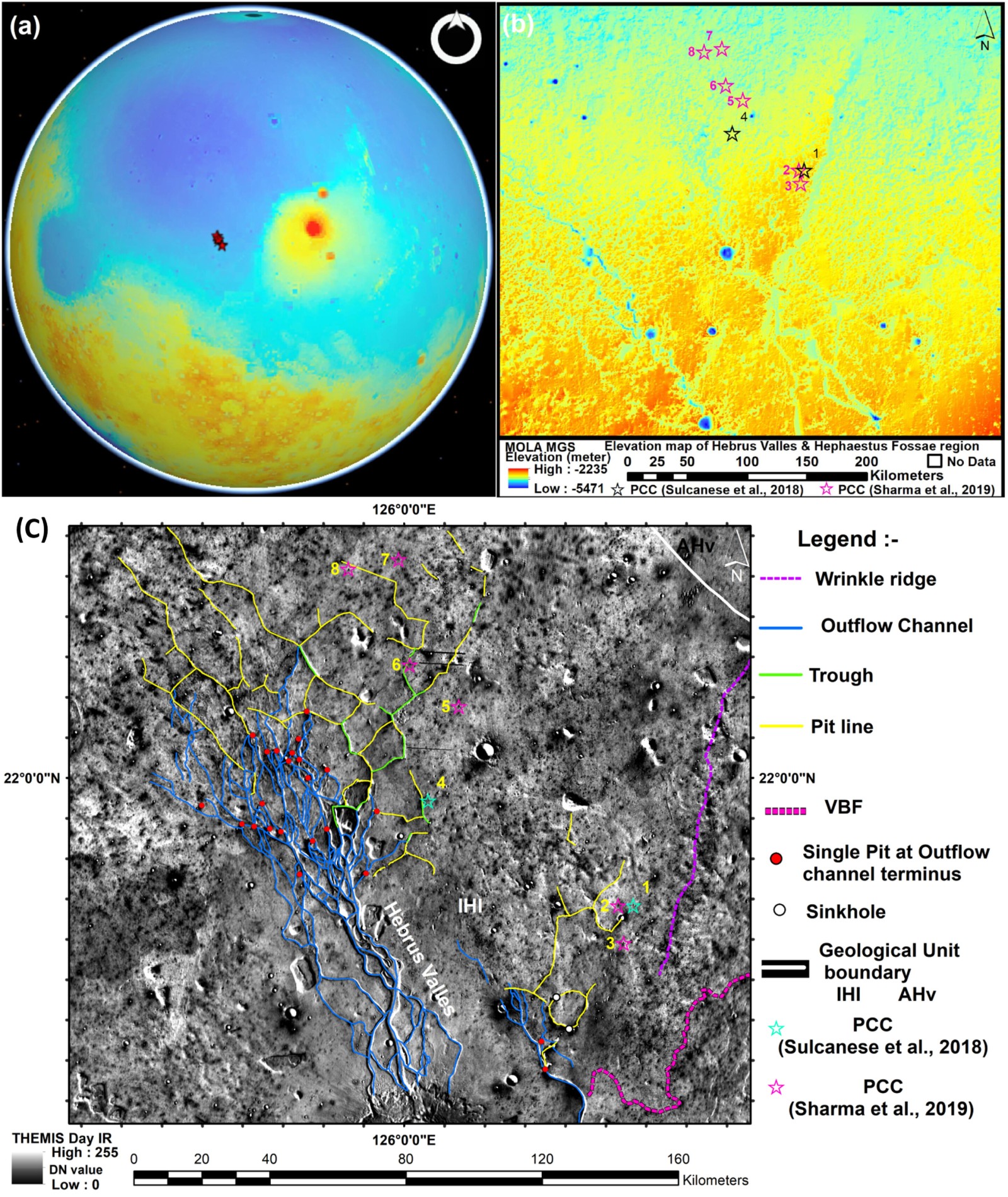
While caves on Mars have been reported before, this recent identification stands apart. Unlike the majority of known Mars caves, which are primarily volcanic, these newly spotted formations result from the interaction of water with certain rock types. This process, known as karstic cave formation, involves the dissolution of soluble minerals such as carbonate and sulfate-rich rocks. Led by Chenyu Ding at Shenzhen University, the research team proposes that these caves belong to an entirely new category of Martian caves and could redirect the objectives of upcoming Mars missions. The study published in The Astrophysical Journal Letters presents their findings:
“These skylights are interpreted as the first known potential karstic caves on Mars, representing collapse entrances formed through the dissolution of water-soluble lithologies—defining a new cave-forming class distinct from all previously reported volcanic and tectonic skylights.”
Add Cosmo Herald as a Preferred Source

This suggests that, unlike prior volcanic caves linked to Mars’ past volcanic episodes, these pits likely formed through ancient water's interaction with the crust. The implications are profound, as this discovery offers new pathways to investigate Mars’ geological history and its capacity to support life.
Formation Mechanism Behind These Martian Caves
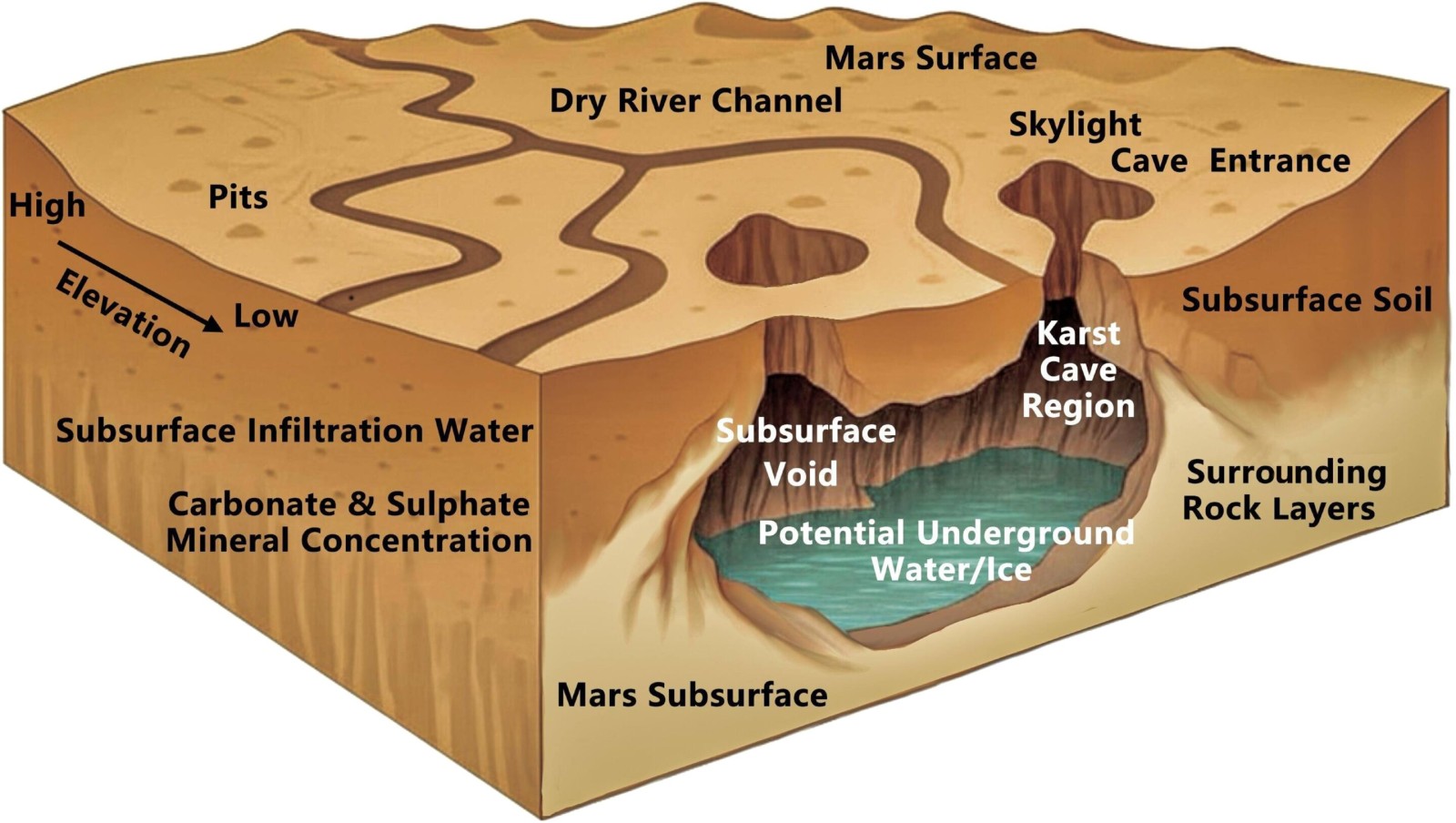
To appreciate the importance of these caves, it’s essential to examine their origins. On Earth, karstic caves form when water gradually dissolves soluble rocks like limestone or gypsum, leading to the creation of expansive underground spaces. Given Mars’ watery past, a similar process could have operated there. The scientists propose that ancient Martian waters dissolved carbonate- and sulfate-rich rocks beneath the surface, carving out caves that might have provided safe spaces for microbial life—assuming it ever existed. Such subterranean habitats could shield organisms from the harsh surface environment marked by intense temperature swings, radiation exposure, and dust storms.
Since the conditions required for life on Mars are thought to be very specific, focusing investigations on these cave systems may yield the best chances of discovering biosignatures. These karstic caves could serve as an underground refuge, akin to Earth’s extreme environment ecosystems where life manages to persist despite challenging circumstances.
Implications for Martian Life and Upcoming Exploration
Why is this discovery a game-changer in the quest to find life beyond Earth? Many scientists theorize that if Martian life ever existed, it probably thrived below ground, sheltered from the planet’s extreme surface conditions. These karstic caves, possibly containing remnants of ancient water, offer a promising refuge where microbial life could have survived or even flourished during more habitable epochs.
Beyond their biological significance, these caves hold potential for future Mars exploration missions. They represent key targets for study due to their probable life-supporting environments. Additionally, these natural cavities might become vital safe spaces for astronauts, providing protection from Mars’ severe temperature extremes, radiation, and pervasive dust storms.
- Categories:
- Science








0 comments
Sign in to Comment