
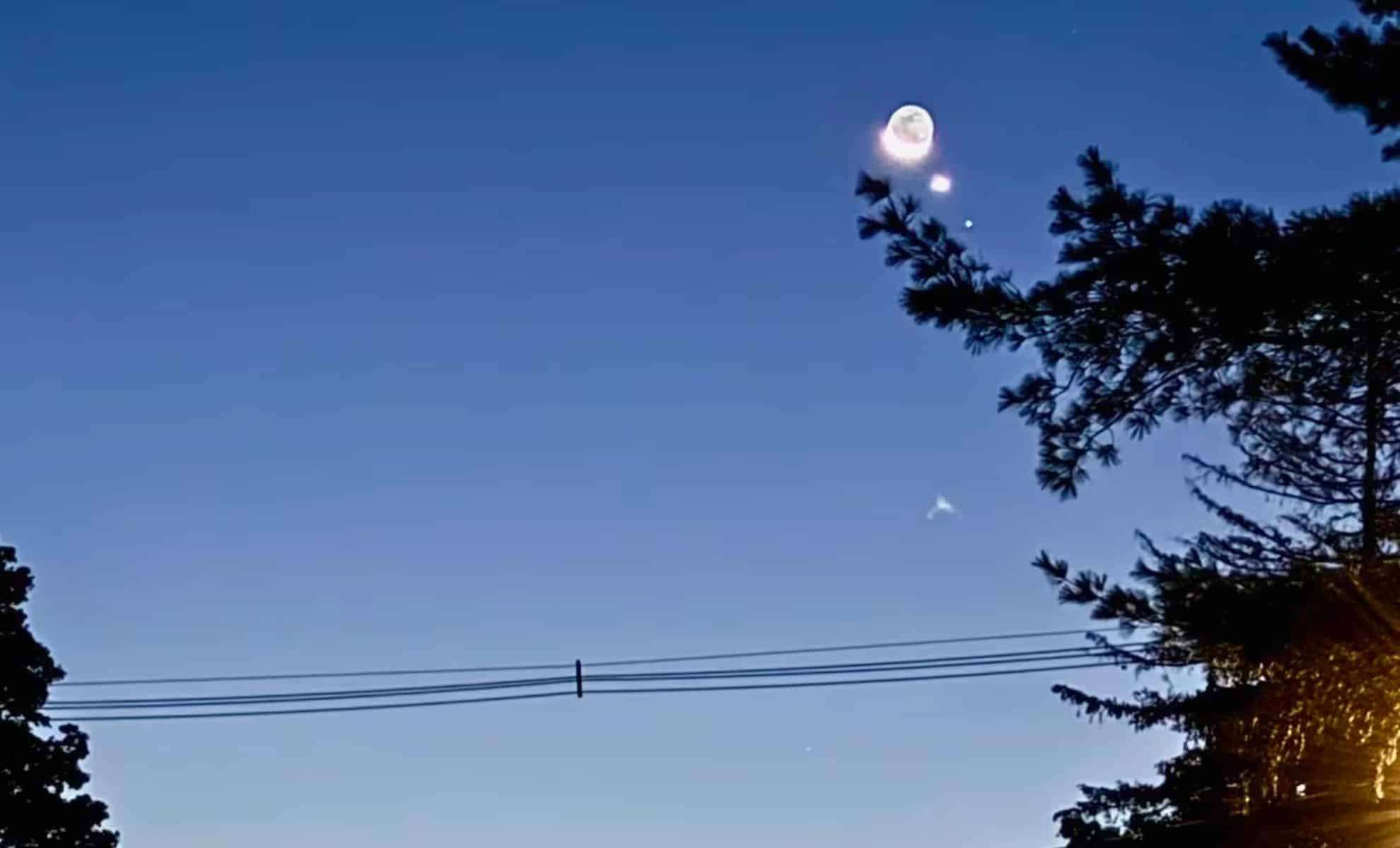
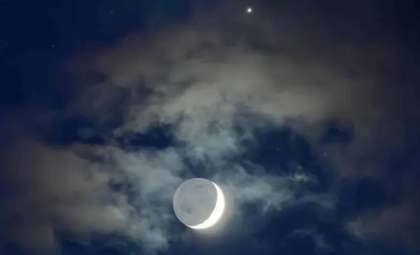
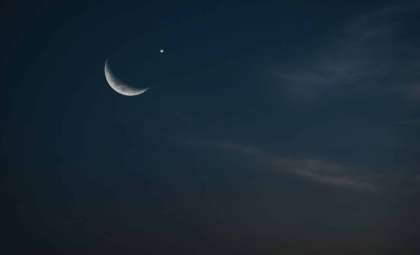
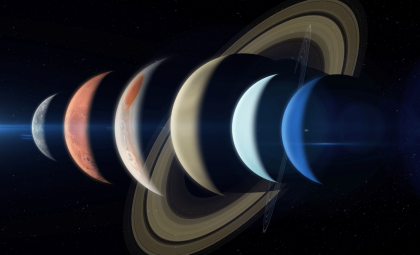
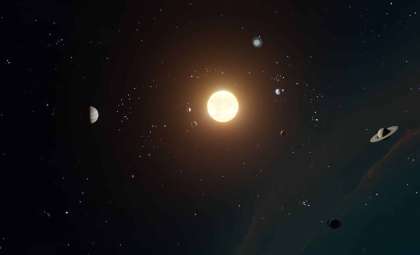
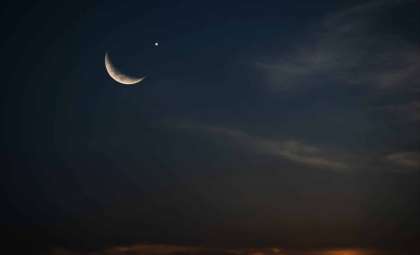
Observers up early worldwide were captivated on September 19 by a rare and beautiful celestial assembly featuring the waning crescent moon, luminous Venus, and the bright star Regulus closely clustered just before sunrise.
According to Live Science, this remarkable occurrence called a triple conjunction offered some of the year's most picturesque sky views, captivating viewers from North America through Europe to North Africa.
Precise Timing Brings a Rare Celestial Trio
Seen about 90 minutes before sunrise in the eastern horizon, the three heavenly bodies appeared within a span smaller than —narrower than the width of a raised finger at arm’s length. On the East Coast of North America, they nearly lined up perfectly, while on the West Coast, they formed a compact triangle.

The display’s drama was heightened by sharp brightness contrasts: the moon at just 6% illumination dominated the view, Venus glowed intensely at magnitude -3.8, and Regulus, the brightest in Leo, shone dimmer at magnitude 1.3. Venus’s brilliance outshone Regulus by about 110 times despite their close proximity, creating a striking predawn spectacle.
Moonlight’s Subtle Glow and the Hiding of Venus
The moon’s Earthshine, sunlight reflected from Earth back onto the moon’s dark side, lent a ghostly, faint glow to the crescent. This effect made the moon appear almost otherworldly, especially when viewed through binoculars or telephoto lenses.
Some fortunate observers in northeastern Canada, Greenland, Western Europe, and North Africa witnessed a spectacular lunar occultation of Venus, where the moon briefly obscured the planet from sight. Since the moon’s position varies by up to 2 degrees depending on geographic location, this rare event was only visible in limited areas.
Upcoming Sky Events to Watch
As the lunar cycle progresses, the moon will reach its new moon phase on September 21, setting the stage for a partial solar eclipse visible from parts of New Zealand, Antarctica, and the western South Pacific. This will be closely followed by the autumn equinox on September 22, when day and night will balance evenly worldwide.
Meanwhile, Venus, firmly established as the Morning Star, will continue to dominate pre-dawn skies throughout the rest of September. Both casual viewers and astronomy enthusiasts are reminded by these events of the cosmos' precision and splendor—requiring nothing more than clear skies and a keen glance upwards.
- Categories:
- News


0 comments
Sign in to Comment